Trump rolls out the red carpet for Xi despite U.S.-China tensions
President Trump extended a warm welcome to Chinese President Xi Jinping for a state visit, despite ongoing U.S.-China tensions over trade, technology, and geopolitical issues. The visit includes ceremonial events and formal meetings, though experts anticipate few major po…
Intelligence analysis by Gemini 2.5 Flash
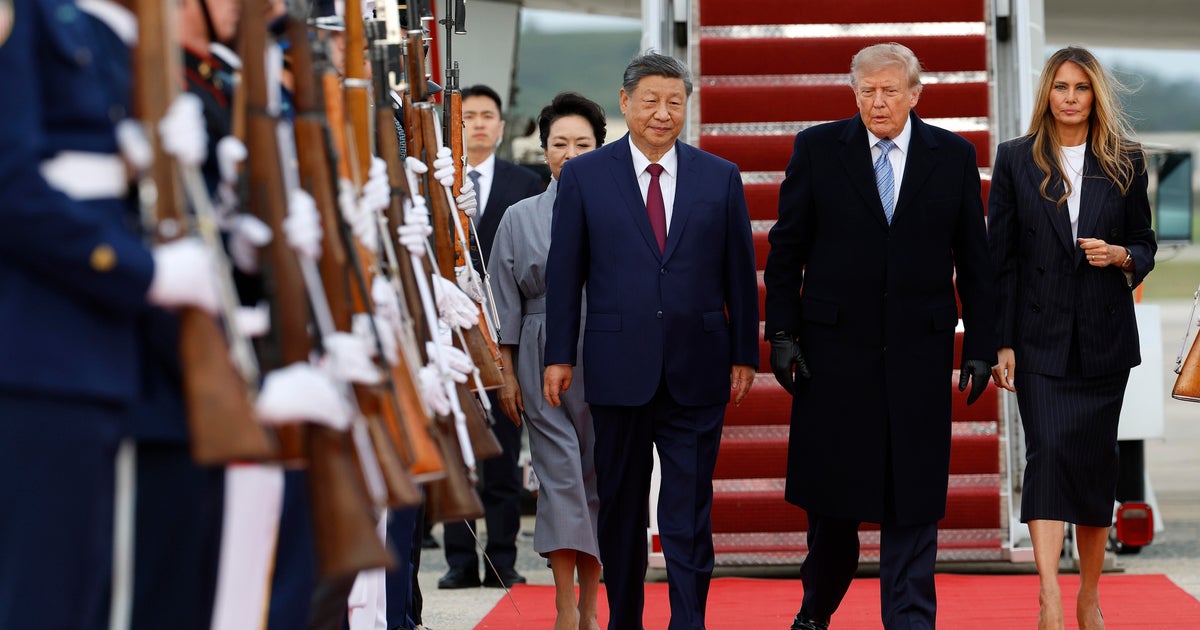
President Trump hosted Chinese President Xi Jinping for a state visit marked by elaborate ceremonies, including a rare tarmac greeting by Trump himself. While the display aimed to project warmth, the backdrop of U.S.-China relations remains fraught with disagreements over tariffs, technology, and Taiwan, with experts tempering expectations for significant policy achievements.
Imagine two big school principals, Mr. Trump and Mr. Xi, who lead two very important schools, America and China. They have some disagreements about sharing toys (trade) and who gets to use the best computers (tech). This week, Mr. Trump invited Mr. Xi to his school for a fancy visit with lots of parades and dinners, even though they're still a bit grumpy with each other. They're trying to talk about their problems and maybe make a new agreement, but grown-ups who watch them say it might just be a friendly show, and they might not solve all their big problems right away.
Analysis
President Trump's decision to roll out the red carpet for Chinese President Xi Jinping, including a personal greeting at Joint Base Andrews, signals a complex diplomatic dance amidst significant bilateral tensions. This elaborate welcome, featuring military honors and a state dinner, appears to be largely symbolic, aimed at fostering a personal connection between the leaders despite deep-seated policy disagreements. Experts like James Lewis and Jake Werner suggest the visit is primarily "for show," reflecting Trump's preference for personal relationships with strong leaders and his desire to manage China's demonstrated economic power, particularly after past disruptions in rare-earth element supplies.
Xi Jinping's Arrival
The arrival of President Xi Jinping and his wife, Peng Liyuan, was met with considerable pomp, including a military band, a red carpet, and a flyover by B-1 bombers. This level of ceremonial welcome, particularly Trump's presence on the tarmac, is unusual for a sitting U.S. president and underscores the importance placed on the optics of the visit. Xi's statement upon arrival emphasized a desire for bilateral ties where "cooperation is the mainstay, competition is kept within proper limits, differences are managed and peace can be expected," setting a tone of cautious optimism from the Chinese side. The White House also planned another elaborate arrival ceremony on the South Lawn, further highlighting the ceremonial nature of the engagement.
The Three Ts
The core of the substantive discussions between Trump and Xi is expected to revolve around what James Lewis termed the "three Ts": trade, tech, and Taiwan. On trade, a critical decision looms regarding the extension of a tariff truce set to expire on November 10. This truce, brokered in Busan, South Korea, had previously lowered tariffs and paused restrictions on rare earth minerals, though China reportedly failed to uphold its pledge to buy large quantities of U.S. soybeans. The U.S. is also actively trying to restrict China's access to semiconductor chips crucial for artificial intelligence, adding another layer of complexity to the tech dimension of their talks. Taiwan, a perennial flashpoint, remains a sensitive topic that could easily escalate tensions.
Busan Arrangement
Treasury Secretary Scott Bessent indicated that China has proposed a "bigger deal" on trade, extending beyond the existing Busan arrangement. The U.S. is reportedly open to either continuing the current truce or exploring this more comprehensive agreement, with Bessent noting the possibility of up to four meetings between Trump and Xi this year. U.S. Trade Representative Jamieson Greer also announced the establishment of a U.S.-China "Board of Trade," intended to identify a "relatively small subset of goods" for mutual protection from trade disputes. These developments suggest a willingness from both sides to explore structured mechanisms for managing their economic relationship, even if immediate, large-scale policy breakthroughs are not anticipated by experts.
Key points
- President Trump hosted Chinese President Xi Jinping for a state visit, including a rare tarmac greeting by Trump himself.
- The visit features elaborate ceremonies, formal meetings, and a state dinner, but experts expect few major policy achievements.
- Key discussion points, dubbed the "three Ts," include trade, technology, and Taiwan.
- A tariff truce from Busan, South Korea, is set to expire on November 10, requiring a decision on its extension or a new "bigger deal."
- A U.S.-China "Board of Trade" is expected to be established to protect a subset of goods from trade disputes.
The willingness of both leaders to engage in high-level diplomacy and the proposal of a "bigger deal" on trade suggest a potential path towards de-escalation and more stable economic relations. The establishment of a U.S.-China "Board of Trade" could provide a structured mechanism for managing future disputes and protecting key goods, fostering a more predictable trade environment.
Despite the warm reception, experts anticipate few tangible policy achievements, raising concerns that the visit might fail to address critical issues like the expiring tariff truce or semiconductor restrictions. A lack of progress could lead to renewed trade hostilities, further exacerbating U.S.-China tensions and potentially impacting global supply chains and economic stability.