Trump’s Second Gamble on Iran
Donald Trump's war against Iran has ended with a new gamble, offering a bundle of American inducements to Tehran in exchange for a concession that it will not develop or buy nuclear weapons. The memorandum has 14 provisions, 13 of which favor Iran. Trump is paying far mor…
Intelligence analysis by Llama 3.3 70B
The Trump administration has made a new gamble on Iran, offering significant concessions in exchange for a promise not to develop nuclear weapons. This move has been met with skepticism, given Iran's history of ignoring such promises and the CIA's doubts about its sincerity.
The US and Iran have made a new deal where Iran promises not to make nuclear weapons in exchange for some benefits. This is a big risk because Iran has broken promises before and the US is giving up a lot. It's like making a bet that might not pay off.
Analysis
A New Approach to Iran
The Trump administration's decision to offer a bundle of American inducements to Tehran in exchange for a concession that it will not develop or buy nuclear weapons is a significant shift in approach. This move has been met with skepticism, given Iran's history of ignoring such promises and the CIA's doubts about its sincerity.
The memorandum of understanding between the US and Iran has 14 provisions, 13 of which favor Iran. This has led to criticism that the US is paying far more for far less than the previous agreement. The deal offers military and economic concessions, as well as de facto acknowledgment of Iran's control over the Strait of Hormuz.
The Risks of the Gamble
The risks of this gamble are significant. Iran has a history of ignoring promises and the CIA doubts its sincerity. The deal could also be seen as a reward for bad behavior, given that Iran has been responsible for thousands of missile attacks on Gulf countries. The Gulf countries themselves are unlikely to provide the $300 billion in investment that the deal suggests, with one diplomat stating that they will not get a penny.
The Future of US-Iran Relations
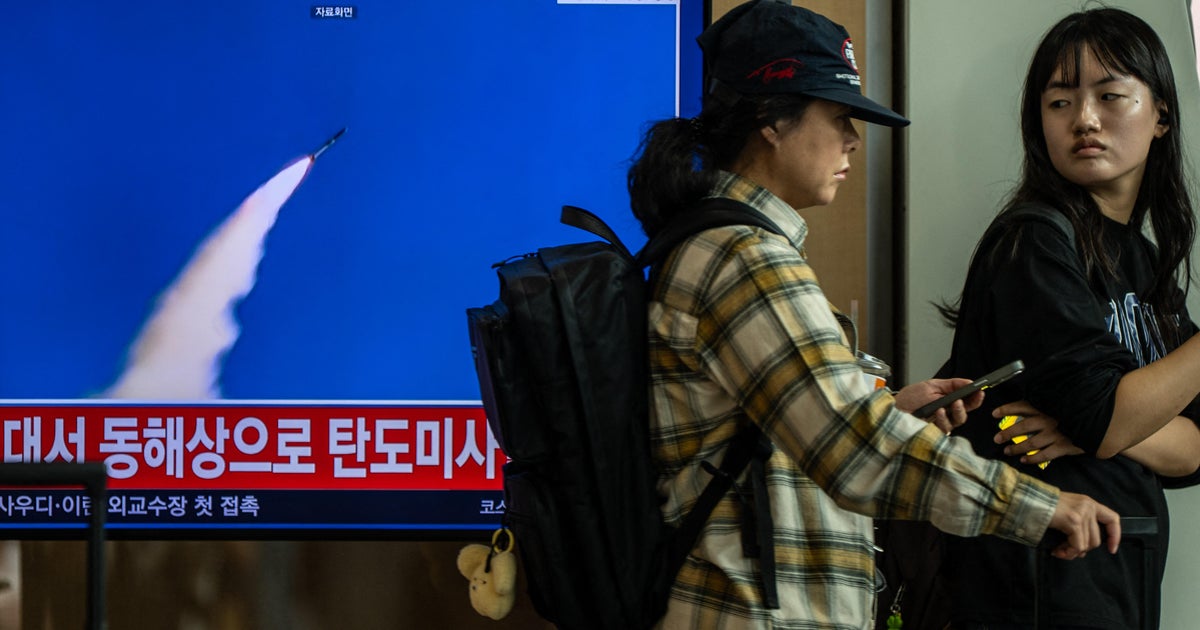
The future of US-Iran relations is uncertain. The deal could be seen as a step towards normalization, but it is unlikely to lead to a significant improvement in relations in the short term. The logic of the deal resembles Trump's entreaties to the North Korean dictator Kim Jong Un, offering reintegration as a reward for denuclearization. However, for revolutionary dictatorships such as North Korea and Iran, Western-backed luxury hotels, foreign tourists, and open capital flows are not a triumph, but a Trojan horse that would erode their total information control and ideological legitimacy.
Key points
- The US and Iran have made a new deal where Iran promises not to make nuclear weapons in exchange for some benefits
- The deal has 14 provisions, 13 of which favor Iran
- The US is paying far more for far less than the previous agreement
- The deal could be seen as a reward for bad behavior and could embolden Iran to continue its aggressive actions in the region
If the deal works out, it could lead to a significant improvement in US-Iran relations and a reduction in tensions in the region. It could also provide a model for future negotiations with other countries. However, this is unlikely given the history of US-Iran relations and the skepticism surrounding the deal.
The deal could be seen as a reward for bad behavior and could embolden Iran to continue its aggressive actions in the region. It could also lead to a loss of credibility for the US and a weakening of its position in the region. The deal's failure could also lead to a resurgence of tensions and conflict.