Two tanker attack incidents reported near Oman’s Khasab on Saturday, UKMTO says
Two tanker attack incidents were reported near Oman's Khasab on Saturday, following a similar event on Friday, according to the UKMTO.
Intelligence analysis by Gemini 2.5 Flash
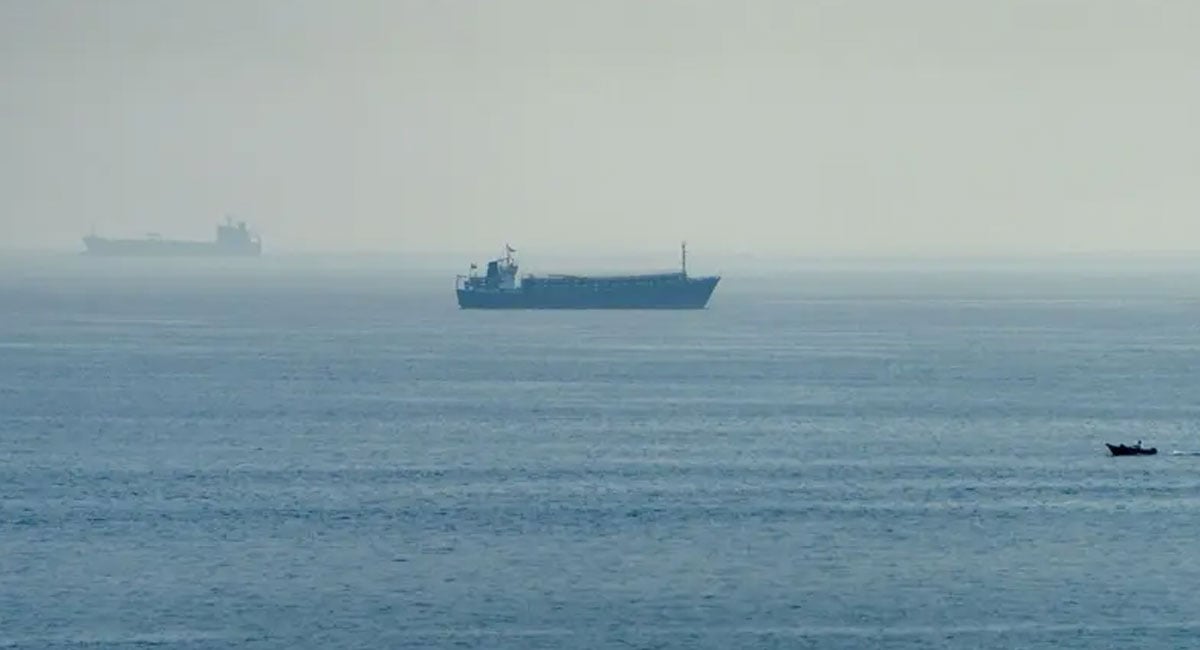
The United Kingdom Maritime Trade Operations (UKMTO) reported two separate incidents where tankers were hit by unidentified projectiles near Oman's Khasab, a strategic location at the entrance to the Strait of Hormuz. No casualties were reported, but the incidents raise concerns about maritime security.
Imagine a very busy road where lots of big trucks carry oil to many countries. This road is near a place called Khasab. Recently, some of these trucks have been hit by mystery objects, making it dangerous to drive there. No one got hurt, but it's like someone is trying to make it hard for the trucks to deliver their important cargo, which could make things like gas more expensive for everyone.
Analysis
The recent reports from the UKMTO detailing multiple tanker attacks near Oman's Khasab underscore a growing instability in a globally critical maritime corridor. These incidents, occurring on both Friday and Saturday, involved unidentified projectiles striking vessels, including one in its engine room. While no casualties have been reported, the repeated nature of these attacks signals a concerning escalation of risks for international shipping.
Khasab
Khasab, located on Oman's Musandam Peninsula, holds immense strategic importance due to its proximity to the Strait of Hormuz. This narrow waterway is a choke point for global maritime trade, particularly for crude oil. The repeated targeting of vessels in this specific area suggests a deliberate attempt to disrupt shipping or send a geopolitical message, rather than isolated acts of piracy. The location makes any incident immediately impactful on the flow of goods.
The fact that these attacks are concentrated near Khasab highlights the vulnerability of vessels navigating this critical stretch. The UKMTO's reports, while not attributing blame, serve as a stark warning to the international shipping community. The lack of immediate clarity on whether the Saturday incidents involved the same vessel further complicates the assessment of the threat, suggesting either multiple targets or a sustained assault on a single ship.
Strait of Hormuz
The Strait of Hormuz is a pivotal artery for global energy markets, historically carrying nearly one-fifth of the world's crude oil supplies. The article explicitly states that shipping through the strait has been disrupted since Iran moved to close the waterway following a conflict eruption on February 28. This context is crucial, as the recent attacks appear to be a continuation or intensification of existing tensions.
Any disruption in the Strait of Hormuz has immediate and far-reaching economic consequences, affecting oil prices, insurance premiums for shipping, and the reliability of supply chains worldwide. For countries like Pakistan, which are heavily reliant on imported oil, such instability translates directly into increased economic pressure. The ongoing nature of these disruptions, as indicated by the UKMTO's successive reports, suggests a persistent threat to the free flow of maritime commerce.
February 28
The article references a significant turning point: the eruption of a US-Israeli conflict with Iran on February 28, after which Iran moved to close the Strait of Hormuz. This date marks a clear escalation in regional tensions that has directly impacted maritime security. The current tanker attacks can be seen as a direct consequence or an extension of the instability that began on this date.
The timeline provided by the article suggests a sustained period of heightened risk in the region, rather than isolated events. The initial move by Iran to close the waterway set a precedent for disruption, and the subsequent attacks on tankers reinforce the volatile environment. Understanding the context of the February 28 conflict is essential for interpreting the current incidents and anticipating potential future developments in this strategically vital region.
Key points
- Two tanker attack incidents were reported near Oman's Khasab on Saturday by the UKMTO.
- One tanker was hit on its stern, and another in its engine room, by unidentified projectiles.
- These incidents follow a similar attack on a tanker near Khasab on Friday that caused a fire.
- No casualties were reported in any of the incidents, and the environmental impact remains unknown.
- Khasab is located at the entrance to the Strait of Hormuz, a strategic waterway for global crude oil supplies.
The repeated attacks near Khasab could escalate regional tensions, leading to further disruptions in the Strait of Hormuz and potentially higher global oil prices. This instability poses significant risks to international trade and could exacerbate economic challenges for oil-importing nations.
Market signals
- OIL Disruption in the Strait of Hormuz, a key oil transit route, typically leads to higher crude oil prices due to supply concerns.
- XAU Geopolitical instability and supply route risks often drive investors towards safe-haven assets like gold.
AI-generated analysis of potential market relevance. Not financial advice.