UK food and drink exports fall as US tariffs and Brexit trade friction bites – business live
UK food and drink exports hit by US tariffs, falling to lowest level in a decade.
Intelligence analysis by Qwen 2.5 (3B)
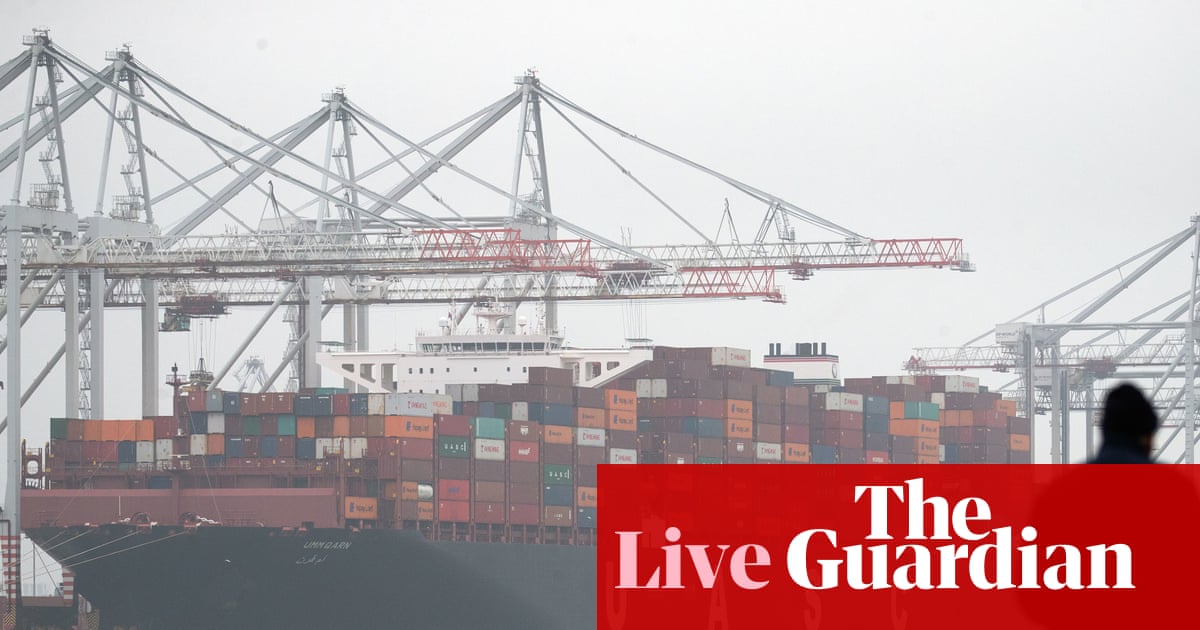
UK food and drink manufacturers are struggling with declining exports due to US tariffs and Brexit trade issues.
UK food and drink makers are selling less stuff to other countries because America put taxes on UK goods, and also because the rules for trading with Europe got more complicated after they left together a few years ago.
Analysis
The Impact of Tariffs and Trade Friction on UK Food Exports
The FDF report shows a significant drop in food and drink exports, with a 4.8% year-on-year decrease to £5.7bn in Q1 2026. This is the lowest level since at least 2013 when adjusted for Brexit.
The Role of US Tariffs
The biggest hit has been from the US market, where exports fell by 28%. This aligns with the FDF's claim that trade friction with the US has worsened due to Trump-era tariffs and ongoing disputes over sanitary and phytosanitary (SPS) measures.
Brexit Trade Friction
The UK’s SPS agreement with the EU is expected to reduce some of this friction, but it won't solve all issues. The FDF suggests that government intervention could help SMEs improve their competitiveness in exporting.
Key points
- UK food and drink exports fell by 4.8% year-on-year to £5.7bn in Q1 2026
- US market saw a 28% drop in UK food and drink exports
- Brexit-related trade issues are contributing to the decline
If the SPS agreement between the UK and EU is finalized soon, it could help reduce some of the trade friction issues that are hurting exports.
Without significant changes in US tariffs or improvements to Brexit-related trade rules, UK food makers might continue to struggle with exporting their products overseas.