UK has ‘no future’ if it fails to act on ecosystem collapse threatening national security
A UK report warns of catastrophic consequences for national security due to the collapse of overseas ecosystems, including food shortages, price rises, migration, and possible war. The government has refused to publish the full report, despite growing concerns for food se…
Intelligence analysis by Llama
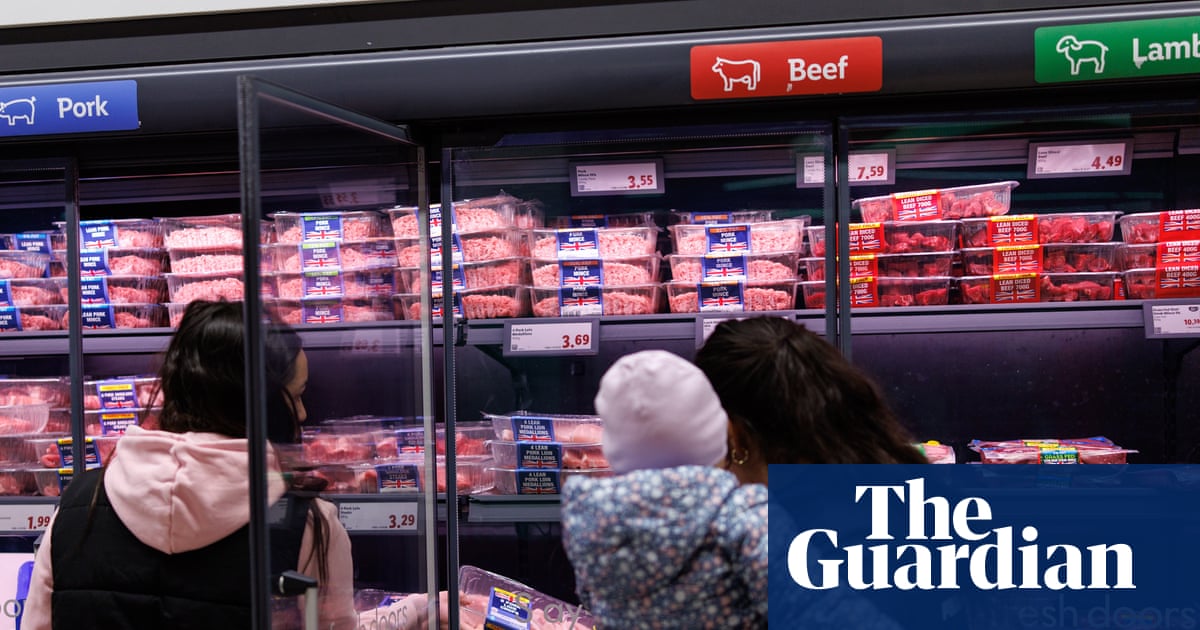
A UK report warns of catastrophic consequences for national security due to the collapse of overseas ecosystems, including food shortages, price rises, migration, and possible war. The government has refused to publish the full report, despite growing concerns for food security.
Imagine the Earth's ecosystems, like the Amazon rainforest, are like a big web. If one part of the web gets damaged, it can affect the whole web. The UK's national security is under threat because the collapse of ecosystems overseas could lead to food shortages, price rises, migration, and even war. It's like a big puzzle, and if one piece gets broken, the whole puzzle can fall apart.
Analysis
A Looming Crisis: The Collapse of Overseas Ecosystems
The UK's national security is under threat from the collapse of overseas ecosystems, according to a recent report. The report, which has been circulating among defence officials for over a year, paints a devastating picture of severe food shortages, price rises, migration, political destabilisation, and possible war. The collapse of ecosystems, fuelled by the human-induced climate crisis and over-exploitation, is a ticking time bomb that could have catastrophic consequences for the UK's national security.
The report highlights the Amazon rainforest, which scientists fear is reaching a 'tipping point' triggered by deforestation and rising temperatures. This would turn the ecosystem from a huge absorber of carbon dioxide into a net source of carbon, exacerbating the climate crisis. Food shortages would be almost certain to result from the decline of ecosystems overseas, as would a big increase in global migration, with the potential to fuel unrest.
Among the most alarming findings was that armed conflict, including nuclear war, was also a potential consequence. The report was due to be published at an event last October, attended by King Charles, in the Natural History Museum. However, at the last minute, the publication was pulled, at the behest of Downing Street.
Ministers at the Department of Environment, Food and Rural Affairs, and the Department for Energy Security and Net Zero, also tried to have the report released at the Cop30 summit in Brazil, but that was also prevented. Insiders said this was due to the former adviser to Keir Starmer, Morgan McSweeney.
The Guardian revealed in February that the UK's climate assistance to poor countries would be slashed, with a ringfence for nature spending scrapped, and projects from the Congo to Latin America and Asia losing out. Creagh told the hearing of the Environmental Audit Committee on Wednesday that the government was 'laser-focused' on using the diminished finance available to protect nature. She pointed to £6.7bn the government planned to spend on nature conservation.
The Government's Response: A Mixed Bag
The government's response to the report has been mixed. While they have acknowledged the scale of the crisis, they have refused to publish the full report, citing concerns about national security. However, the report's findings have been widely shared among defence officials, and the government has been accused of trying to suppress the truth.
The Urgent Need for Action
The report highlights the urgent need for action to prevent the collapse of ecosystems. The government must take decisive action to protect critical ecosystems, including the Amazon rainforest, and invest in nature conservation. This requires a significant increase in funding for nature conservation, as well as a commitment to reducing greenhouse gas emissions.
The UK's national security is under threat, and it is imperative that the government takes immediate action to address this crisis. The collapse of ecosystems is a ticking time bomb that could have catastrophic consequences for the UK's national security and food security.
Key points
- The UK's national security is under threat from the collapse of overseas ecosystems.
- The report highlights the Amazon rainforest, which scientists fear is reaching a 'tipping point' triggered by deforestation and rising temperatures.
- Food shortages would be almost certain to result from the decline of ecosystems overseas, as would a big increase in global migration, with the potential to fuel unrest.
- Armed conflict, including nuclear war, was also a potential consequence.
- The government has refused to publish the full report, citing concerns about national security.
If the government takes decisive action to protect critical ecosystems and invests in nature conservation, it's possible that the UK can avoid the worst consequences of the collapse of ecosystems. This could include reducing greenhouse gas emissions, increasing funding for nature conservation, and implementing policies to protect critical ecosystems.
If the government fails to take action to prevent the collapse of ecosystems, the consequences could be catastrophic. This could include severe food shortages, price rises, migration, political destabilisation, and even war. The UK's national security and food security would be under threat, and it's possible that the country could face a humanitarian crisis.