UK inflation cools faster than expected to 2.6% in June as food and fuel prices drop
UK inflation fell to 2.6% in June, exceeding economists' expectations and marking a faster cooling than anticipated. This decline was primarily driven by falling food and fuel prices.
Intelligence analysis by Gemini 2.5 Flash Lite
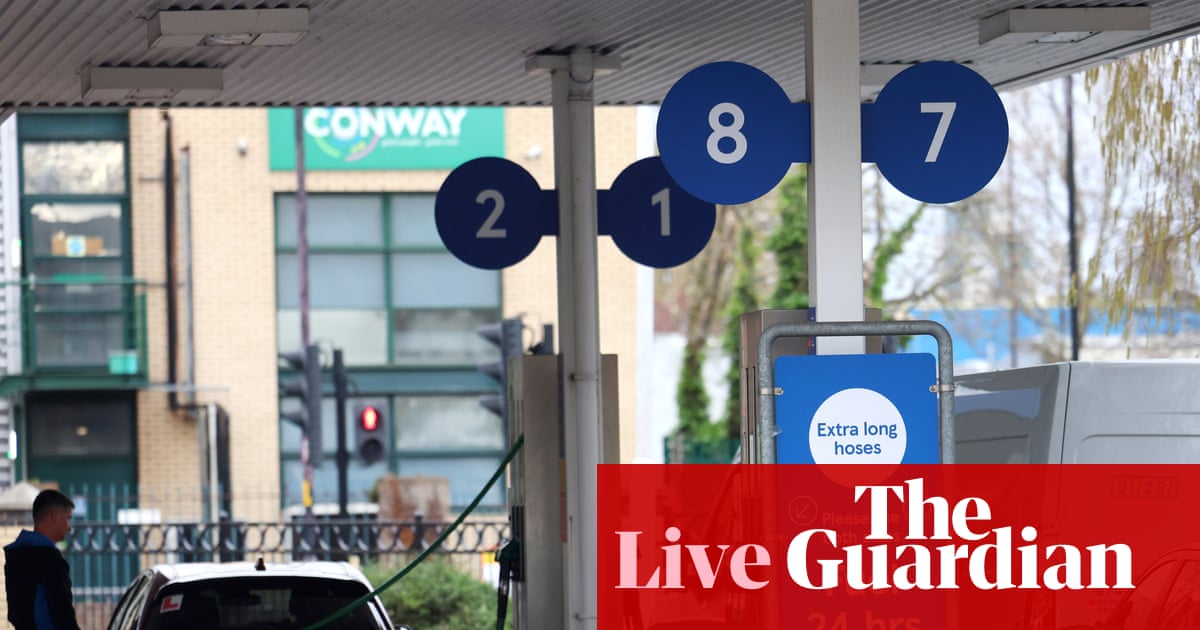
UK inflation unexpectedly dropped to 2.6% in June, a more significant decrease than economists predicted. The slowdown was largely attributed to lower motor fuel and food prices, offering some relief amidst ongoing economic concerns, though potential future price rises due to Middle East tensions remain a worry.
Imagine the prices of things you buy, like toys and snacks, are like a balloon that's been getting bigger and bigger. In June, the balloon got a little smaller, faster than grown-ups expected, because gas for cars and some foods got cheaper. But, there's a worry that if faraway countries have problems, the balloon might start getting bigger again.
Analysis
Inflation's Unexpected Descent
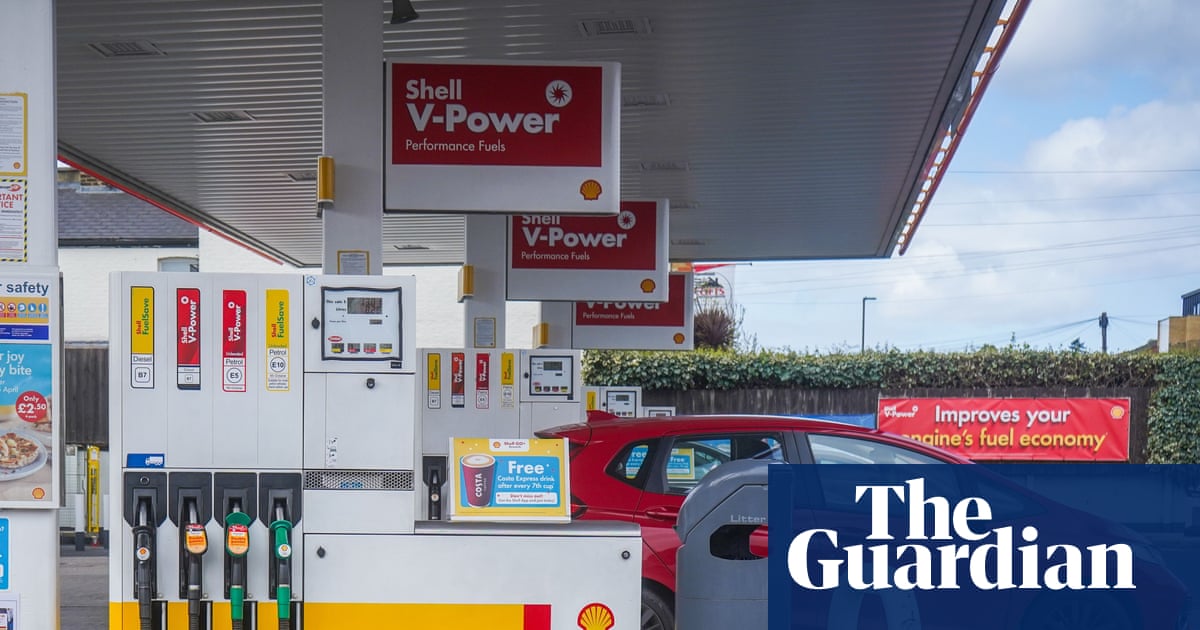
The latest figures reveal that UK inflation has cooled to 2.6% in June, a more significant deceleration than the 2.7% anticipated by economists. This downward trend, a welcome development for households grappling with the cost of living, was significantly influenced by a notable decrease in motor fuel prices, particularly diesel, as reported by the Office for National Statistics (ONS). Grant Fitzner, chief economist at the ONS, highlighted that food prices also contributed to this cooling, with reductions seen in items such as chocolate, margarine, and beef. Furthermore, the start of summer sales led to a dip in clothing prices, with discounts reportedly larger than in the previous year.
The Shadow of Geopolitical Tensions
Despite the positive inflation data, analysts are sounding a note of caution, warning that the current slowdown might be a 'false dawn.' The escalating conflict in the Middle East is a primary concern, with rising oil prices potentially reversing the recent gains. George Brown, senior economist at Schroders, articulated this worry, stating that while lower fuel prices provided a temporary brake on inflation, the current geopolitical landscape, marked by renewed tensions and rising oil prices, could lead to future inflationary pressures. The critical question for the Bank of England is whether this is merely an energy shock or if it will morph into a more persistent domestic inflation problem.
Monetary Policy Tightrope
The cooling labour market, as indicated in the article, suggests a limited risk of second-round inflation effects, which could allow the Bank of England to maintain a steady monetary policy. While financial markets are anticipating multiple interest rate hikes in the coming year, the analysis suggests the Bank may opt to hold steady, observing whether the current energy price shock proves to be a transient issue or a more enduring challenge. This cautious approach aims to balance the immediate relief from lower inflation against the potential for future price instability driven by external factors, particularly the volatile situation in the Middle East.
Key points
- UK inflation fell to 2.6% in June, exceeding economists' expectations.
- Lower food and fuel prices were the primary drivers of the inflation slowdown.
- Analysts warn that geopolitical tensions in the Middle East could lead to renewed inflation.
- The Bank of England faces a decision on monetary policy amidst these conflicting pressures.
- Reach, publisher of the Daily Mirror, saw shares slump over 20% due to falling digital revenue.
The faster-than-expected fall in inflation could provide much-needed relief to consumers, potentially boosting spending power. If the trend continues and is not derailed by external shocks, it might allow the Bank of England to consider easing monetary policy sooner, fostering economic growth.
The article highlights that the current inflation slowdown might be a 'false dawn,' with escalating Middle East conflict driving up oil prices. This could reignite inflationary pressures, forcing the Bank of England to tighten monetary policy more aggressively, potentially stifling economic recovery.
Market signals
- OIL Renewed tensions in the Middle East are driving oil prices higher, contributing to fears of future inflation.
AI-generated analysis of potential market relevance. Not financial advice.