UK petrol price hits Iran war high, adding to pressure on households
UK petrol prices have reached a new high of 160p a litre, driven by renewed US-Iran tensions and disruptions in the Strait of Hormuz, significantly increasing costs for households.
Intelligence analysis by Gemini 2.5 Flash
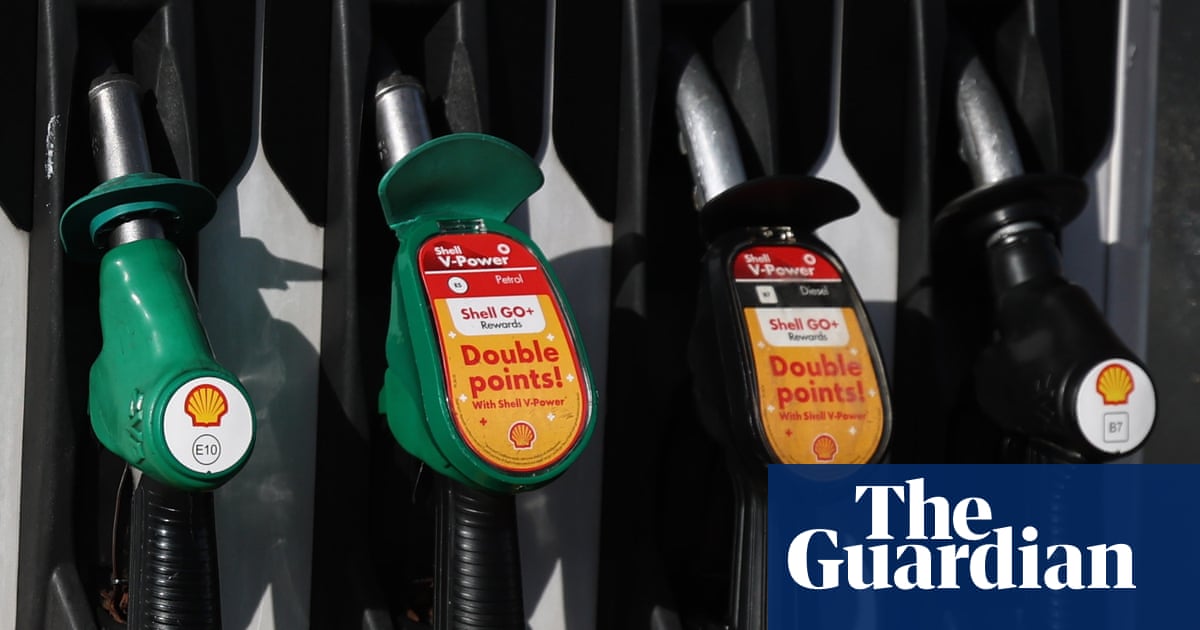
Fuel prices in the UK have surged to levels not seen since late 2022, primarily due to escalating conflict between the US and Iran impacting global oil supplies. This rise places considerable financial strain on millions of British households, especially as many prepare for their annual summer holidays.
Imagine the gas in your car is like special juice, and its price just went way up! This happened because there's a big disagreement between two countries, the US and Iran, which makes it harder for oil to travel safely across the ocean. So, the oil that makes your car's juice costs more, and that means you have to pay more at the pump, especially when lots of families want to drive for their summer holidays.
Analysis
Geopolitical Instability and Oil Market Volatility
The recent surge in UK petrol prices is directly linked to a significant escalation of tensions between the United States and Iran. Following a brief period of de-escalation marked by a 60-day ceasefire agreement in mid-June, US strikes against Iran have prompted retaliatory actions from Tehran. This renewed conflict has directly impacted global oil supplies, particularly through the critical Strait of Hormuz.
On Friday, Brent crude, the international benchmark for oil, saw a more than 1% increase, pushing its price above $90 a barrel. This rise was triggered by reports that Iran's Islamic Revolutionary Guard Corps had struck two tankers attempting to navigate the Strait of Hormuz under US escort, while also turning away four other vessels. Such disruptions in a vital shipping lane for a substantial portion of the world's oil supply inevitably lead to higher wholesale prices.
The volatility in the Middle East underscores the fragility of global energy markets to geopolitical events. Even a temporary disruption or perceived threat to supply routes can have immediate and far-reaching consequences on oil prices, which then translate rapidly to pump prices in countries like the UK. The current situation reverses a brief dip in prices seen after the initial ceasefire, highlighting how quickly market sentiment can shift with political developments.
Mounting Pressure on UK Households
The timing of this fuel price hike is particularly challenging for UK households. The average pump price for unleaded petrol has now reached 160p a litre, a level not seen since November 2022, following Russia's invasion of Ukraine. Diesel prices have also climbed to 179p, with forecasts suggesting they could soon reach 185p a litre, further exacerbating the financial burden on drivers.
This means the cost of filling a family-size car with unleaded petrol has risen to approximately £88, with diesel costing an additional £10. This increase comes just as millions of UK drivers are preparing for their annual summer holidays, with AA polling indicating that over 20 million drivers plan to travel by road in the third week of the holiday season. The higher fuel costs will significantly impact holiday budgets, potentially forcing families to cut back on other spending or reconsider travel plans.
The broader implication is an intensification of the cost of living crisis already affecting the UK. Higher transport costs feed into inflation, impacting the price of goods and services across the economy. For many households, fuel is a non-discretionary expense, meaning these price increases directly reduce disposable income and add to the financial squeeze.
The Impact of Fuel Finder on Pricing Transparency
Amidst these rising costs, there is a notable development regarding fuel pricing transparency in the UK. An AA spokesperson, Luke Bosdet, observed that fuel prices appear to be tracking wholesale prices more closely since May. This shift coincides with the government's introduction of a new fuel finder scheme, which mandates all petrol stations to publicly report their prices.
Historically, fuel retailers have faced criticism for "rocket and feather" pricing, where pump prices rise quickly in response to wholesale cost increases but fall much more slowly when wholesale costs decline. The article suggests that the enforcement of the Fuel Finder scheme's compliance, which began in early May, has had a positive impact on this dynamic. When wholesale costs plummeted from late May onwards, pump prices reportedly followed rapidly, a departure from previous years.
While the scheme doesn't prevent prices from rising due to external factors like oil market volatility, it aims to ensure that consumers benefit more quickly from any wholesale price reductions and that retailers are more accountable for their pricing strategies. This increased transparency, therefore, offers a glimmer of hope that any future easing of wholesale oil prices might translate more swiftly into savings at the pump for UK drivers.
Key points
- UK average petrol price has hit 160p a litre, the highest since November 2022.
- The price surge is attributed to renewed US-Iran tensions and disruptions in the Strait of Hormuz.
- Brent crude oil rose above $90 a barrel after Iran's Revolutionary Guard Corps reportedly struck tankers.
- Rising fuel costs, with unleaded at £88 per tank, add significant financial pressure on UK households ahead of holiday travel.
- A new government fuel finder scheme is reportedly making pump prices follow wholesale costs more closely, reducing 'rocket and feather' pricing.
The government's new fuel finder scheme could lead to greater transparency and fairer pricing at the pumps, ensuring that any future drops in wholesale oil prices are passed on to consumers more rapidly. This increased accountability might mitigate the impact of price volatility on households in the long term.
Continued escalation of US-Iran tensions and further disruptions in the Strait of Hormuz could drive global oil prices even higher, leading to sustained and potentially record-breaking fuel costs in the UK. This would intensify the cost of living crisis, further strain household budgets, and potentially dampen economic activity as consumers cut back on spending.
Market signals
- OIL Brent crude rose over 1% to above $90 a barrel as Iran retaliated against US allies and struck tankers in the Strait of Hormuz.
AI-generated analysis of potential market relevance. Not financial advice.


