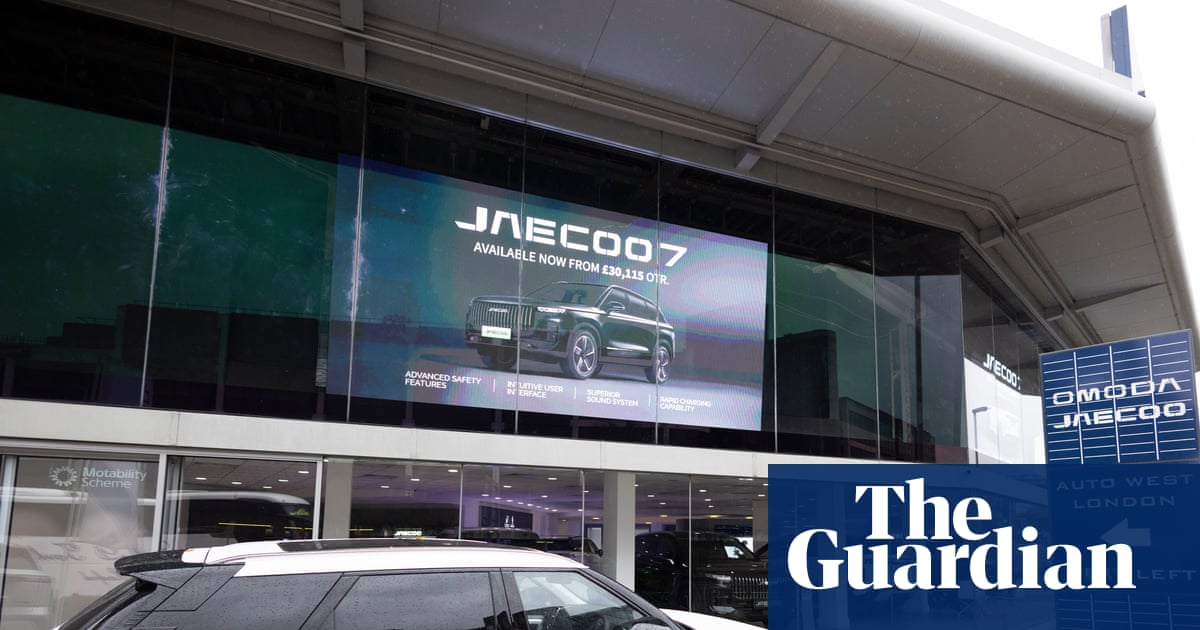
UK’s biggest EV battery gigafactory shelves expansion as Jaguar Land Rover talks stall
AESC’s battery gigafactory in Sunderland has shelved plans to expand production due to stalled talks with Jaguar Land Rover over a supply deal for electric car batteries.
Intelligence analysis by Llama
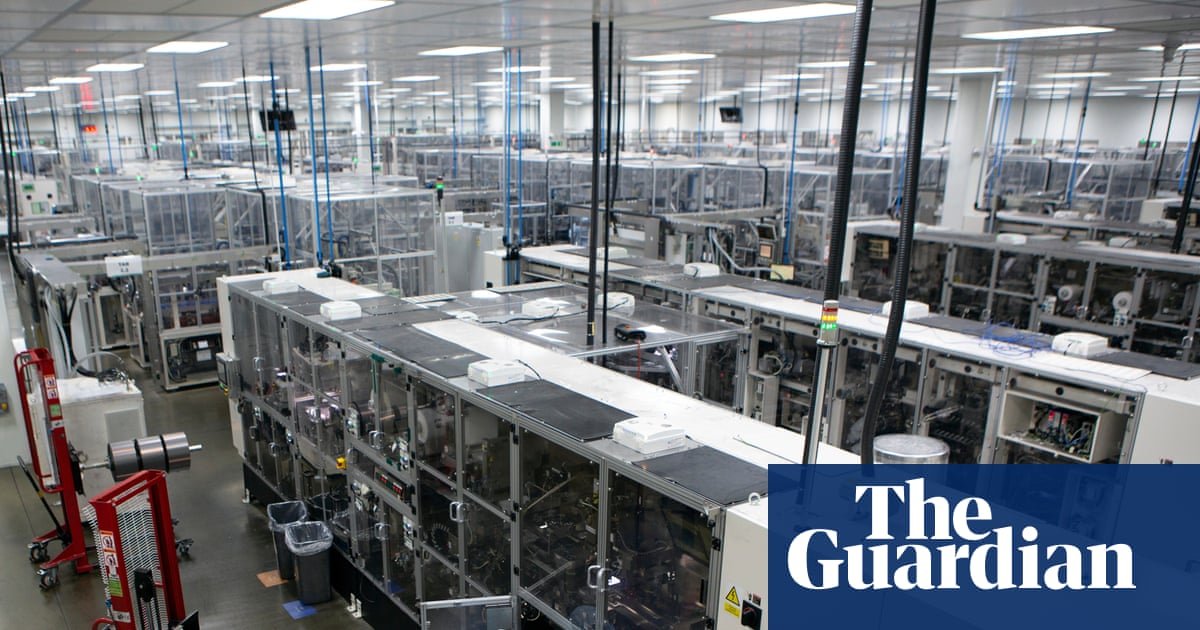
AESC’s battery gigafactory in Sunderland has shelved plans to expand production due to stalled talks with Jaguar Land Rover over a supply deal for electric car batteries. The delay is a sign of the slowing transition from petrol and diesel to electric cars.
Imagine you have a big factory that makes batteries for electric cars. This factory is important because it helps make the cars that people drive. But the factory is having trouble because the people who buy the batteries, like car companies, are not buying as many as they thought they would. This is making it hard for the factory to grow and make more batteries.
Analysis
AESC’s Gigafactory in Sunderland: A Crucial Player in the UK’s Electric Vehicle Ecosystem
AESC’s battery gigafactory in Sunderland is a crucial player in the UK’s electric vehicle ecosystem. The facility produces batteries for Nissan, which is situated next door to the gigafactory. However, AESC has had to push back its ramp-up plans due to lower-than-expected demand from Nissan and the lack of a deal with JLR.
The delays are a sign of the slowing transition from petrol and diesel to electric cars. Carmakers’ commitments to rapid electrification of their products have been scaled back as demand did not rise as quickly as expected. This has caused problems for Europe’s battery makers, with several big projects going bankrupt or scaling back plans.
JLR’s sister company, Agratas, is building its own gigafactory in Somerset, England. However, the plant is not scheduled to start production until 2027. The Guardian reported in June that Agratas has faced construction difficulties that could delay the start of production further.
AESC’s failure to secure JLR as a customer has had a knock-on impact on the company. The Sunderland gigafactory has two manufacturing lines operating, but has so far held off installing a third line to supply JLR. Talks between JLR and AESC have stalled due to disputes over the cost and timing of the supply of batteries.
The uncertainty over AESC’s plans reflects the changing mood in the electric car industry in recent years. Carmakers’ commitments to rapid electrification of their products have been scaled back as demand did not rise as quickly as expected. This has caused problems for Europe’s battery makers, with several big projects going bankrupt or scaling back plans.
The Impact on the Electric Vehicle Supply Chain
The delay in AESC’s expansion plans highlights the challenges facing the electric vehicle supply chain. Lower-than-expected demand from carmakers and the lack of a deal with JLR have forced AESC to push back its ramp-up plans. This is a sign of the slowing transition from petrol and diesel to electric cars.
The electric vehicle supply chain is complex and interconnected. Carmakers, battery manufacturers, and other suppliers all play critical roles in the production of electric vehicles. However, the transition to electric vehicles has been slower than expected, and this has caused problems for Europe’s battery makers.
The Future of Electric Vehicles in the UK
The delay in AESC’s expansion plans highlights the challenges facing the electric vehicle supply chain in the UK. However, it also highlights the potential for growth and development in the sector. The UK government has set ambitious targets for the adoption of electric vehicles, and the industry is working to meet these targets.
The future of electric vehicles in the UK is uncertain. However, one thing is clear: the industry will continue to evolve and adapt to changing market conditions. AESC’s gigafactory in Sunderland is a crucial player in the UK’s electric vehicle ecosystem, and its expansion plans will have a significant impact on the industry.
Key points
- AESC’s battery gigafactory in Sunderland has shelved plans to expand production due to stalled talks with Jaguar Land Rover over a supply deal for electric car batteries.
- The delay is a sign of the slowing transition from petrol and diesel to electric cars.
- AESC has other European plants, including a factory in France that is performing well thanks to strong demand for the Renault 5.
- JLR’s sister company, Agratas, is building its own gigafactory in Somerset, England, but the plant is not scheduled to start production until 2027.
If AESC can secure a deal with JLR and ramp up production, it could help meet the UK government's ambitious targets for the adoption of electric vehicles. This could create new jobs and stimulate growth in the industry.
If AESC is unable to secure a deal with JLR and ramp up production, it could lead to a shortage of batteries for electric cars. This could slow down the transition to electric vehicles and make it harder for the industry to meet its targets.