UPSC Key: Mahatma Gandhi, Union Public Service Commission and Courage
India is set to host an International Tourism Mart in Tawang, Arunachal Pradesh, a region disputed by China, while Prime Minister Modi marked the Union Public Service Commission's centenary with calls for reforms.
Intelligence analysis by Gemini 2.5 Flash
The article highlights two key current affairs topics relevant to the UPSC exam: India's decision to hold a major tourism event in Tawang, a strategically sensitive area claimed by China, and the 100th anniversary of the Union Public Service Commission, where PM Modi urged for faster exam cycles and youth-centric changes.
Imagine India is having a big party in a beautiful mountain area called Tawang. Another country, China, also says that mountain area belongs to them, like two friends arguing over a favorite toy. India is inviting many countries to the party, even China, to show that Tawang is theirs. Also, a very important group called UPSC, which helps pick smart people to work for the government, is 100 years old, and the Prime Minister wants them to make their tests quicker for young people.
Analysis
The Indian Express 'UPSC Key' for October 2, 2026, focuses on two significant developments impacting India's governance and international relations. The first is the upcoming International Tourism Mart in Tawang, Arunachal Pradesh, a move that underscores India's assertion of sovereignty over the region, which China claims as 'Zangnan' or South Tibet. The second major highlight is the centenary celebration of the Union Public Service Commission (UPSC), where Prime Minister Narendra Modi emphasized the need for shorter exam cycles and youth-centric reforms to streamline the recruitment process for India's civil services.
Tawang
India's decision to host the International Tourism Mart in Tawang, Arunachal Pradesh, from October 27 to November 1, is a significant geopolitical statement. This event, organized by the Ministry of Tourism, will gather delegates from approximately 20 countries, including an invitation extended to China. The timing is particularly notable, coming weeks after the Indian government officially named 27 places and features in Arunachal Pradesh on Survey of India maps, reinforcing its territorial claims. Tawang is a primary point of contention in the India-China boundary dispute, making the choice of venue a clear demonstration of India's resolve.
Beijing consistently refers to Arunachal Pradesh as Zangnan and asserts it belongs to China, a claim New Delhi vehemently rejects, reiterating that the state is an "inalienable and integral part of India." While Chinese government representatives have historically not attended such tourism events, private tour operators from China have participated in the past, indicating potential for B2B engagements. The event aims to promote tourism in the region, contributing to economic development and greater integration of the Northeast with the rest of India, despite the complex intersection of tourism, cultural heritage, border security, and geopolitics.
Union Public Service Commission
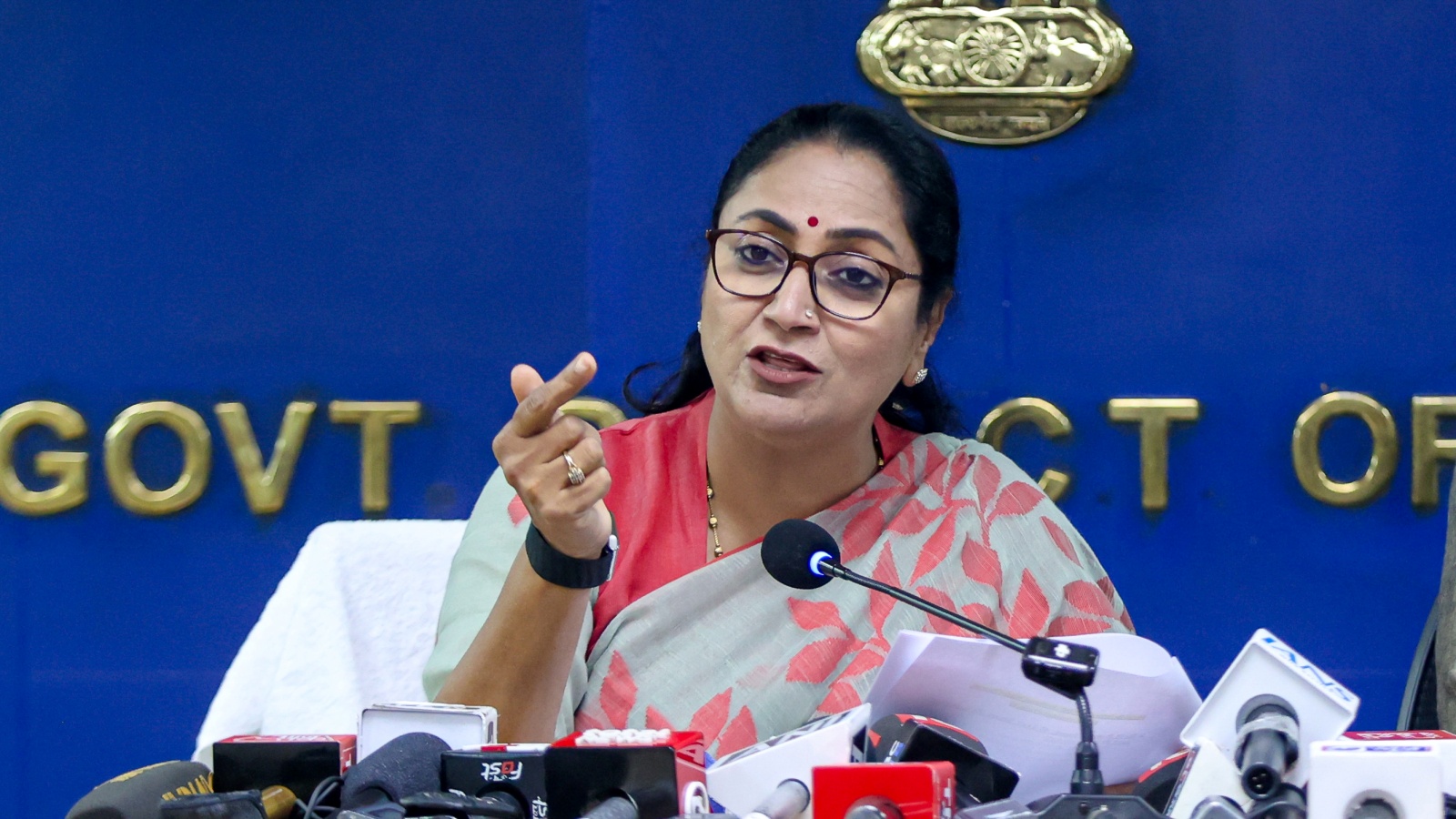
The Union Public Service Commission (UPSC) marked its centenary, a milestone celebrated by Prime Minister Narendra Modi. The Prime Minister lauded the UPSC's legacy of public service and its role in fulfilling the aspirations of countless youths. His remarks specifically called for reforms aimed at shortening exam cycles and making the recruitment process more youth-centric. This emphasis reflects a broader governmental push to enhance efficiency and responsiveness in public administration.
Articles 315 to 323 in Part XIV of the Constitution of India outline the constitutional status, composition, and functions of the UPSC. The establishment of an independent Public Service Commission was deemed essential for India's administrative system to ensure merit, impartiality, confidentiality, and fairness in civil service recruitment. The Constitution provides safeguards to uphold the independence and impartiality of the UPSC, ensuring it remains a cornerstone of India's merit-based bureaucracy. The PM's call for reforms suggests an ongoing evaluation of how this vital institution can adapt to contemporary needs while maintaining its core principles.
2005 Agreement
The article briefly references the "2005 Agreement on the Political Parameters and Guiding Principles between the two countries" in the context of the India-China boundary dispute. This agreement was considered a landmark treaty, designed to establish explicit bookends and benchmarks for the eventual resolution of the long-standing boundary dispute between India and China. While the article does not delve into the specifics of the agreement, its mention highlights the historical diplomatic efforts to address the contentious border issues. The current developments, such as the Tawang tourism event and India's naming of places in Arunachal Pradesh, indicate that despite past agreements, the boundary dispute remains a live and evolving challenge in bilateral relations.
Key points
- India will host an International Tourism Mart in Tawang, Arunachal Pradesh, from October 27 to November 1.
- China, which claims Arunachal Pradesh as 'Zangnan,' has been invited to the Tawang tourism event.
- India recently named 27 places in Arunachal Pradesh, reinforcing its territorial claims against China.
- Prime Minister Narendra Modi celebrated the Union Public Service Commission's (UPSC) centenary.
- PM Modi urged the UPSC to implement shorter exam cycles and youth-centric reforms for civil service recruitment.
The International Tourism Mart in Tawang could foster cultural exchange and economic growth in India's Northeast, potentially opening informal channels for dialogue with China despite territorial disputes. Simultaneously, PM Modi's push for UPSC reforms could lead to a more efficient and youth-friendly civil service recruitment process, attracting top talent and strengthening India's administrative backbone.
Holding the tourism event in Tawang could be perceived as a provocative act by China, potentially escalating border tensions and hindering diplomatic efforts to resolve the long-standing dispute. The proposed UPSC reforms, while well-intentioned, might face implementation challenges or fail to adequately address the complex issues surrounding civil service recruitment, leading to continued dissatisfaction among aspirants.