US corporate lobbyists mounted 'blitz' to dilute landmark EU deforestation law, report finds
US corporate lobbyists launched a two-year 'blitz' to postpone and weaken the EU Deforestation Regulation, according to a new investigation by environmental watchdog Mighty Earth.
Intelligence analysis by Qwen 2.5 (3B)
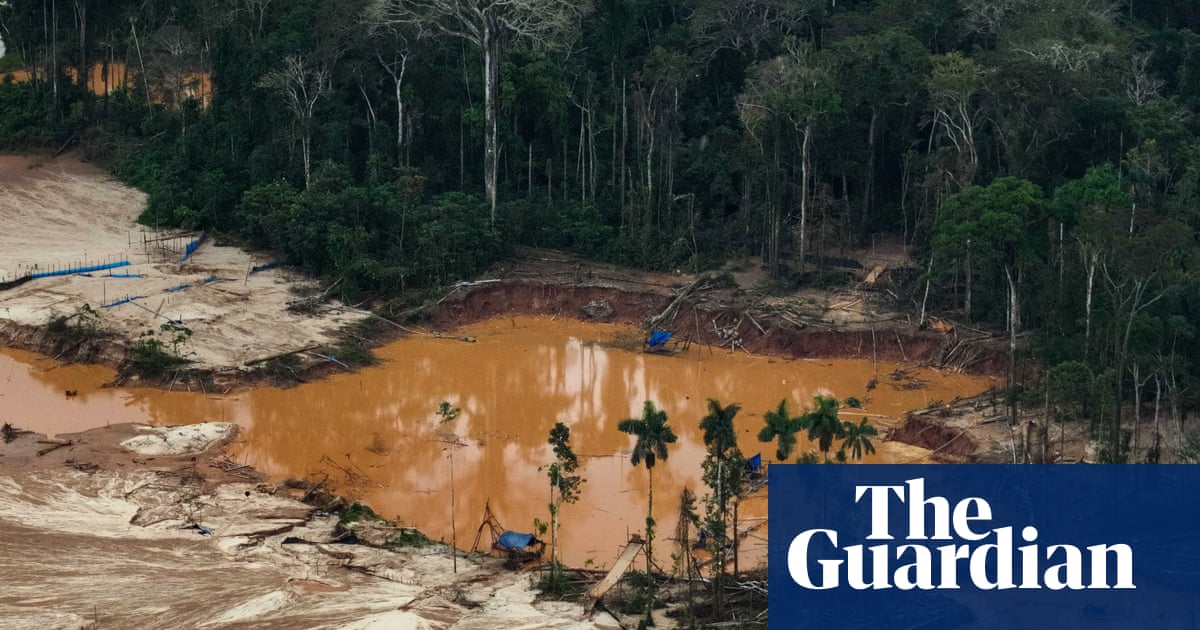
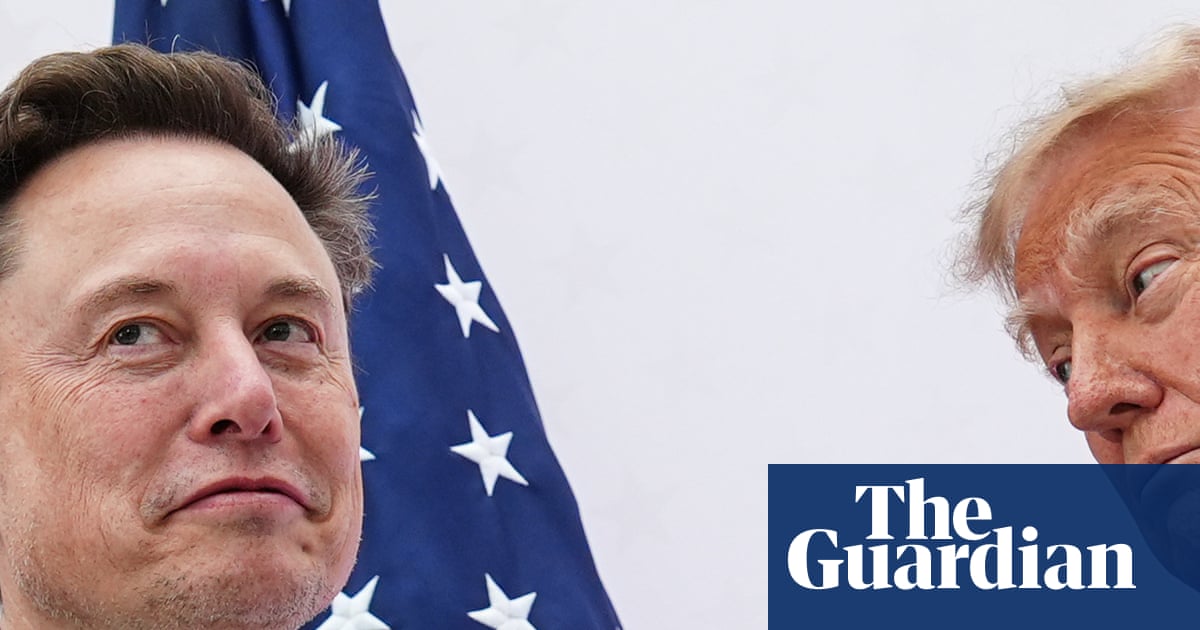
US corporate lobbyists attempted to influence the EU Deforestation Regulation, which prohibits imports of deforested commodities, through more than 350 meetings with EU officials and Commission members over two years.
US companies tried to change a new rule that stops importing things grown in forests that were cut down. They met with important people in Europe to try to make the rule less strict.
Analysis
{"heading_1":"US Corporate Lobbying Tactics","paragraph_1":"Mighty Earth, an environmental watchdog, conducted a detailed analysis of the role of US companies and organizations in lobbying for the EU Deforestation Regulation (EUDR). The investigation revealed that 24 major US companies, trade associations, and industry organizations participated in over 350 meetings with EU officials and Commission members between July 2024 and July 2026.","paragraph_2":"The most active US organizations included the National Alliance of Forest Owners, Advanced Woody Biomass Alliance, the US Soybean Export Council, Bunge, the American Chamber of Commerce to the European Union, and Cargill. Cargill had two meetings, Bunge one, and Mondelēz eight meetings.","paragraph_3":"The investigation also uncovered that lobbying efforts extended to the US Congress, USDA, Office of the US Trade Representative, and the White House. Two weeks after a meeting between President Trump and Ursula von der Leyen, the EU president, a joint statement was released, promising US special treatment with regard to the EUDR.","paragraph_4":"Mighty Earth argues that the US special treatment and the joint statement indicate a lack of transparency and balance in the EU's approach to the EUDR. The organization calls for greater transparency and more access for civil society to ensure a fair and balanced process."}
Key points
- US corporate lobbyists participated in over 350 meetings with EU officials and Commission members over two years to influence the EU Deforestation Regulation.
- Major US companies and organizations, including Cargill, Bunge, and Mondelēz, were among the most active in lobbying efforts.
- The EU Deforestation Regulation aims to stop importing deforested commodities, but its implementation has been delayed and revised.
If the EU can improve transparency and give more people a chance to speak, the rule might work better and help protect forests.
If the EU doesn't listen to the concerns of the US companies and other countries, the rule might not work as well as it should to protect forests.