US FCC plan to bar Chinese testing labs could disrupt global electronics supply chains, raise industry costs: analysts
The US FCC plans to ban Chinese labs from testing electronic devices for the American market, a move analysts warn could disrupt global supply chains and increase costs for manufacturers.
Intelligence analysis by Gemini 2.5 Flash
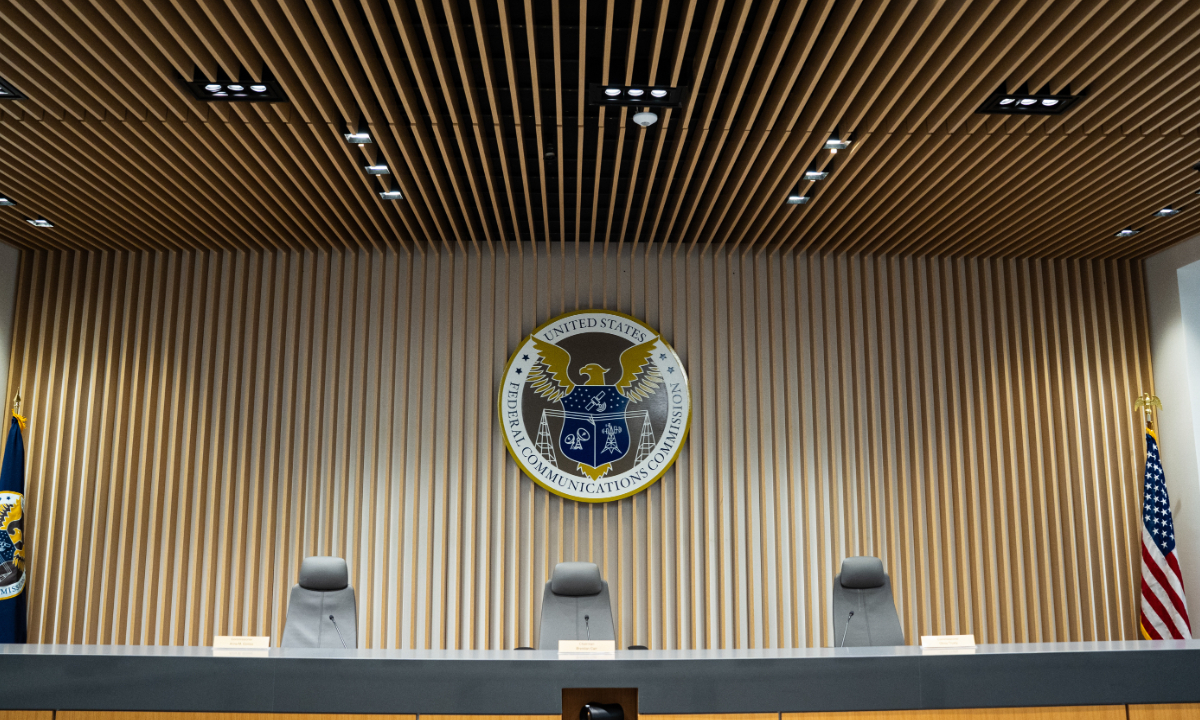
The US Federal Communications Commission (FCC) is proposing new restrictions that would prevent Chinese laboratories from conducting required testing for electronic devices destined for the US market, citing a lack of reciprocal treatment. Chinese analysts view this as a protectionist measure aimed at suppressing China's role in the telecommunications sector, potentially forcing manuf…
Imagine you have a toy factory that makes cool gadgets, but before they can be sold, they need to pass a special safety check. Right now, most of these checks happen in a big, efficient testing center in China, which helps keep your toys affordable and gets them to stores quickly. But the US government is thinking about saying that these safety checks can't happen in China anymore, unless China lets US centers do the same kind of checks there. This could mean your toy factory has to send its toys much farther away for testing, making them more expensive and taking longer to get to you, like having to send your homework to a different country to be graded!
Analysis
The proposed FCC ban on Chinese testing laboratories represents a significant expansion of US technology restrictions against China, moving beyond direct equipment bans to encompass essential compliance services. This measure, scheduled for a vote on October 29 and set to take effect in December 2028, targets labs in countries that do not offer reciprocal treatment to US-based facilities. The move is framed by Chinese analysts, such as He Weiwen from the Center for China and Globalization, as a non-market, protectionist approach driven by US concerns over its competitive standing in the telecommunications sector. The FCC's own data from 2025 indicated that 82 percent of electronic devices for the US market were tested in China, highlighting the deep integration of Chinese labs into the global supply chain.
Global Electronics Supply Chains
The potential disruption to global electronics supply chains is a primary concern raised by the proposed ban. International testing firm Element noted that the concentration of testing in China reflects the close integration of manufacturing and compliance testing, an arrangement that has long benefited global manufacturers by reducing logistics costs and shortening development cycles. Shifting these testing operations to the US or other eligible economies would likely lead to longer lead times, higher costs due to increased demand on available capacity, and greater scheduling difficulties. Manufacturers could also face reduced access to specialized testing expertise, particularly for less common types of testing, further complicating product development and market entry.
FCC Restrictions
This proposal is not an isolated incident but rather the latest in a series of FCC restrictions targeting Chinese technology. In recent years, the agency has blocked approvals for Chinese-made drones and foreign-made consumer routers, expanded equipment restrictions involving major Chinese firms like Huawei and ZTE, and moved to bar devices containing key components from Chinese companies, all under the pretext of national security risks. Alongside the proposed ban on testing labs, the FCC has also introduced a streamlined review process for devices tested in US laboratories or those in economies with reciprocal arrangements. These cumulative measures reflect a broader US strategy to build what it terms "secure supply chains" in next-generation information and communications technology and artificial intelligence, explicitly aiming to exclude China.
China's Ministry of Commerce
China has voiced strong opposition to these measures, with a spokesperson for China's Ministry of Commerce stating that the FCC has abandoned the principle of technology neutrality and overstretched the concept of national security. The spokesperson affirmed that China would take necessary measures to firmly safeguard the legitimate rights and interests of Chinese enterprises. While China-US economic and trade ties have shown recent signs of stabilization, including agreements on reciprocal tariff reductions and new dialogue mechanisms, these ongoing disputes over technology and trade policy underscore persistent tensions. Analysts like He Weiwen emphasize that despite recent progress, significant efforts are still required from both sides, particularly the US, to manage differences and maintain stable bilateral economic and trade relations.
Key points
- The US FCC plans to vote on October 29 on a proposal to bar Chinese laboratories from testing electronic devices for the American market.
- The restrictions, if approved, would take effect in December 2028 and apply to devices like smartphones, computers, and cameras.
- Chinese analysts warn the ban is a protectionist measure that could disrupt global electronics supply chains and raise industry costs.
- In 2025, 82 percent of electronic devices for the US market were tested in China, highlighting the country's central role.
- China's Ministry of Commerce has stated it will take necessary measures to safeguard the legitimate rights and interests of Chinese enterprises.
Manufacturers might adapt by investing in new testing facilities in eligible countries or the US, potentially fostering new jobs and expertise in those regions. The streamlined review process for devices tested in reciprocal economies could also offer a more efficient pathway for some products, mitigating certain delays and costs.
The ban could lead to significant supply chain disruptions, increased manufacturing costs for electronic devices, and longer product development cycles. This fragmentation of global technology supply chains risks hindering technological progress and could further strain US-China economic relations, potentially leading to retaliatory measures from China.
