U.S.-Iran attacks continue into second week as diplomacy falters
The United States and Iran have been engaged in a series of attacks over the control of the Strait of Hormuz, a vital shipping lane. The U.S. has launched several waves of strikes on Iran, while Iran has retaliated by targeting countries across the Middle East. The confli…
Intelligence analysis by Llama
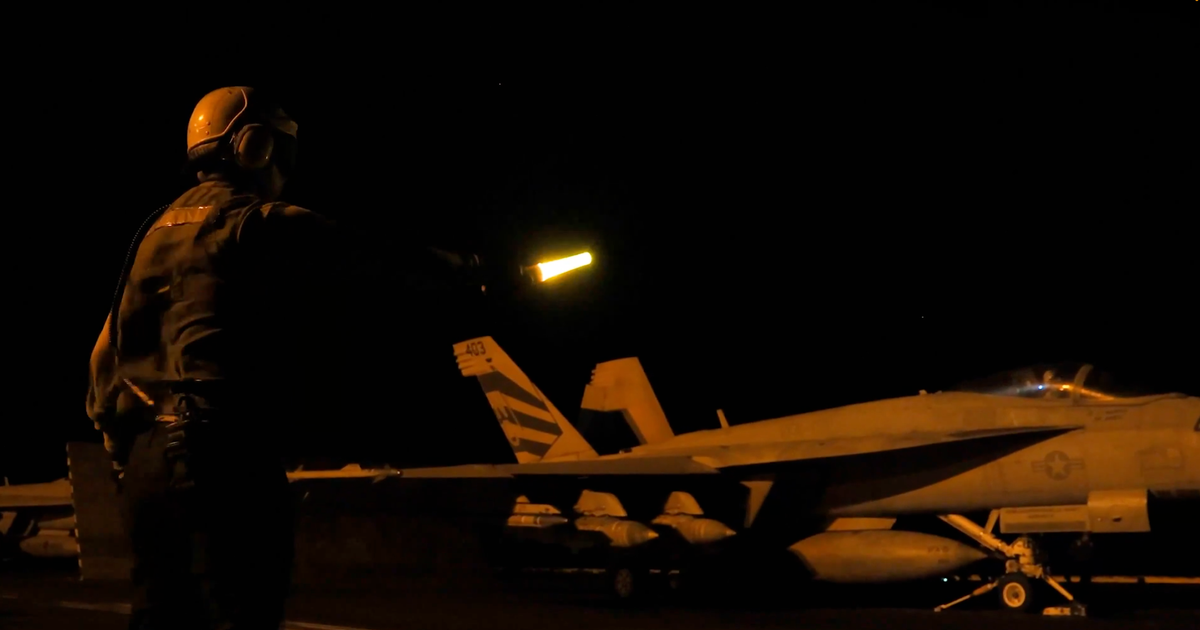
The U.S.-Iran conflict has escalated into a second week, with both sides engaging in a series of attacks over the control of the Strait of Hormuz. The U.S. has launched several waves of strikes on Iran, while Iran has retaliated by targeting countries across the Middle East. The conflict has led to a significant increase in oil prices, with Brent crude gaining 4.7% to $79.59 per barrel.
The U.S. and Iran are fighting over a important waterway called the Strait of Hormuz. This waterway is used to transport oil, which is a type of fuel that powers cars and other machines. The U.S. is trying to protect its interests and those of its allies, while Iran is trying to defend itself. The conflict has led to a big increase in oil prices, which can affect how much it costs to buy things like food and gasoline.
Analysis
A Second Week of Escalation
The conflict between the U.S. and Iran has entered its second week, with both sides engaging in a series of attacks over the control of the Strait of Hormuz. The U.S. has launched several waves of strikes on Iran, targeting various Iranian vessels and facilities. Iran has retaliated by targeting countries across the Middle East, including Bahrain, Oman, and Jordan.
The conflict has led to a significant increase in oil prices, with Brent crude gaining 4.7% to $79.59 per barrel. The price of U.S. benchmark crude oil added 4.8% to $74.85 per barrel. The increase in oil prices is a result of the disruption to the Strait of Hormuz, which is a vital shipping lane for oil exports.
The U.S. has stated that it will continue to take action against Iran to protect its interests and those of its allies. Iran has condemned the U.S. attacks, saying they have 'rendered futile' all the diplomatic efforts of the last few months. The conflict has also led to a warning from the United Nations Secretary-General, António Guterres, who has expressed his concern for the recent escalation and said the attacks 'must all stop'.
The conflict between the U.S. and Iran has significant implications for the global economy, particularly in the oil market. The Strait of Hormuz is a vital shipping lane, and any disruption to it can have far-reaching consequences for oil prices and global trade.
Key points
- The U.S. and Iran have been engaged in a series of attacks over the control of the Strait of Hormuz.
- The conflict has led to a significant increase in oil prices, with Brent crude gaining 4.7% to $79.59 per barrel.
- The U.S. has stated that it will continue to take action against Iran to protect its interests and those of its allies.
- Iran has condemned the U.S. attacks, saying they have 'rendered futile' all the diplomatic efforts of the last few months.
- The conflict has also led to a warning from the United Nations Secretary-General, António Guterres, who has expressed his concern for the recent escalation and said the attacks 'must all stop'.
If the conflict between the U.S. and Iran can be resolved peacefully, it could lead to a decrease in oil prices and a stabilization of the global economy. The U.S. and Iran could work together to find a solution that benefits both countries and the global community.
If the conflict between the U.S. and Iran continues to escalate, it could lead to a significant increase in oil prices and a disruption to global trade. This could have far-reaching consequences for the global economy, including higher prices for food and other essential goods.