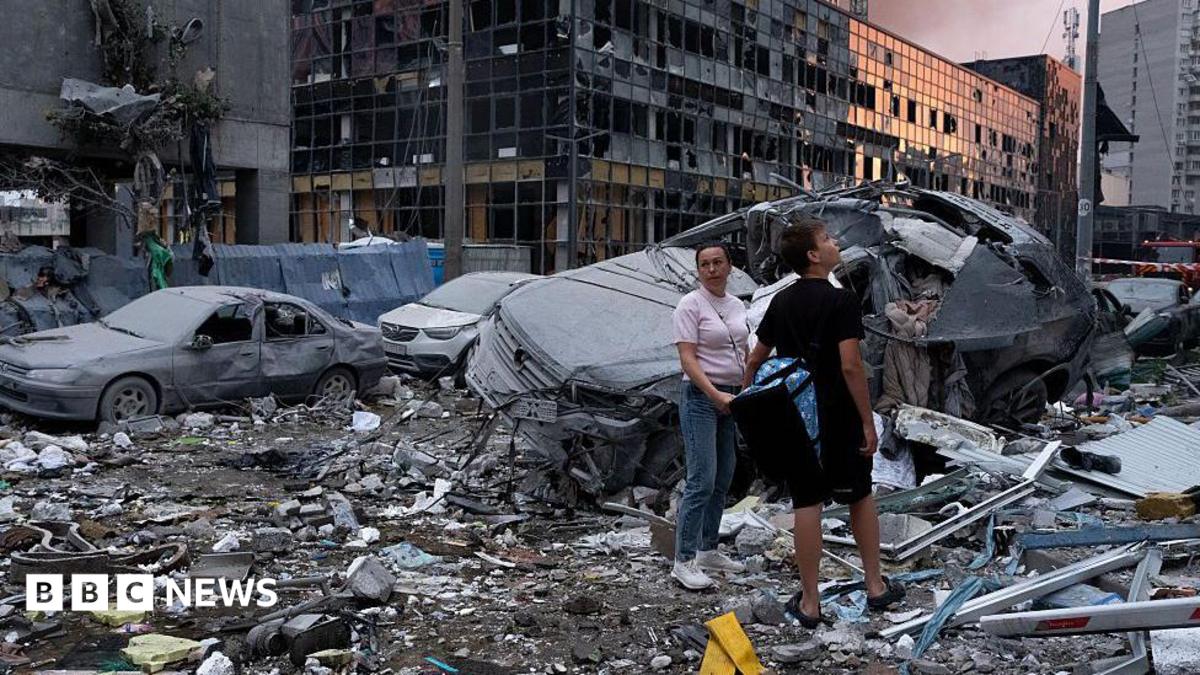
US-Iran conflict widens after deadly tanker attack in Strait of Hormuz
The US-Iran conflict has escalated sharply overnight, with attacks on commercial shipping, renewed military operations, and growing fears the fighting could spread across the Gulf. Two UAE oil tankers were hit by Iranian cruise missiles in the Strait of Hormuz, killing on…
Intelligence analysis by Llama
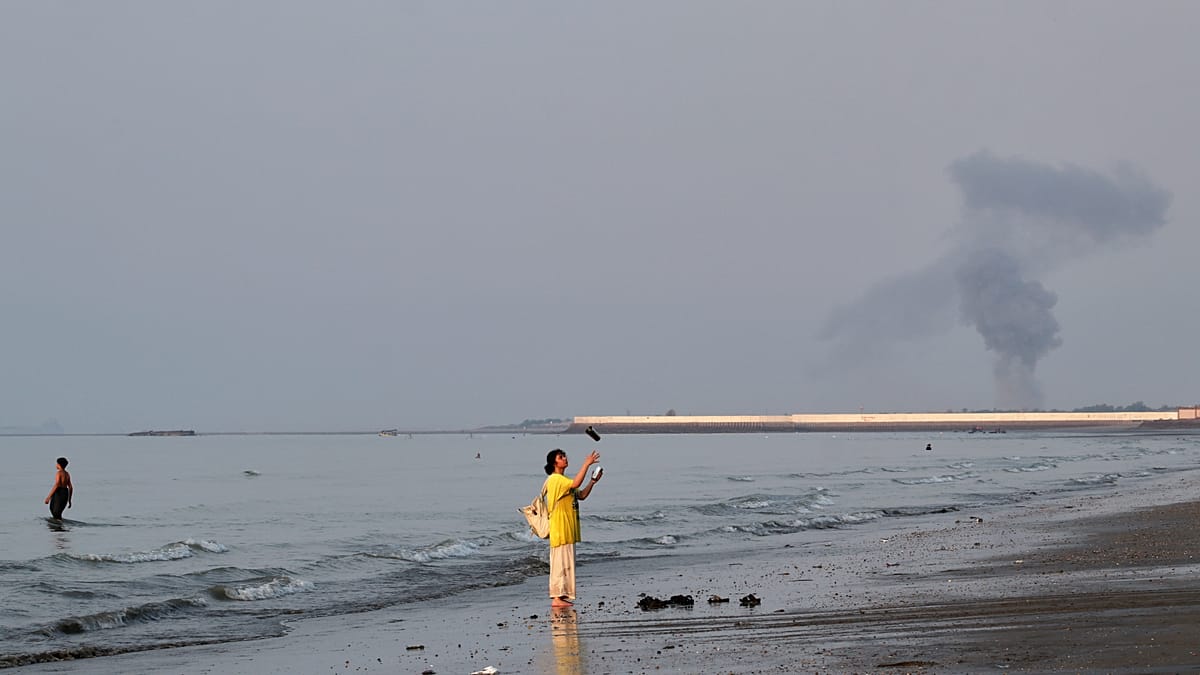
The US and Iran are exchanging military action, with the US carrying out a five-hour operation across southern Iran and Iran targeting a US naval vessel and American military sites in Bahrain and Kuwait. The conflict is raising fears of a wider regional conflict, with commercial shipping now under attack and neighbouring countries increasingly drawn into the fighting.
Imagine a big waterway that lots of ships use to carry oil and other important things. The US and Iran are fighting, and they're both trying to control this waterway. This is making it hard for ships to get through, and it's causing problems for countries that rely on these ships. It's like a big game of tug-of-war, but with ships and oil instead of ropes.
Analysis
A Deadly Tanker Attack in the Strait of Hormuz
The conflict between the US and Iran has taken a deadly turn, with a tanker attack in the Strait of Hormuz killing one Indian crew member and injuring eight others. The attack, which was carried out by Iranian cruise missiles, has raised fears of a wider regional conflict and the potential for further attacks on commercial shipping.
The Strait of Hormuz is a critical energy corridor, carrying around a fifth of the world's traded oil. The attack on the tankers has highlighted the vulnerability of this critical infrastructure and the potential for further disruptions to global trade.
A US Naval Blockade
The US has announced a new naval blockade, which is set to begin on Tuesday at 20:00 GMT. The blockade will target ships travelling to and from Iranian ports, while allowing other commercial traffic to continue through the Strait of Hormuz. The move is seen as an attempt to pressure Iran into negotiations and to reduce its ability to export oil.
However, the blockade has been met with opposition from Iran, which has rejected the US claim to the strategic shipping lane. Iran's Foreign Minister Abbas Araghchi has insisted that Iran has always been, and will remain, the Strait's guardian.
A Wider Regional Conflict
The conflict between the US and Iran has significant implications for the wider region. The escalation of the conflict has raised fears of a wider regional conflict, with commercial shipping now under attack and neighbouring countries increasingly drawn into the fighting.
The conflict has also highlighted the potential for further disruptions to global trade, with the Strait of Hormuz being a critical energy corridor. The attack on the tankers has raised concerns about the potential for further attacks on commercial shipping and the impact on global trade.
Conclusion
The conflict between the US and Iran has taken a deadly turn, with a tanker attack in the Strait of Hormuz killing one Indian crew member and injuring eight others. The attack has raised fears of a wider regional conflict and the potential for further attacks on commercial shipping. The US naval blockade has been met with opposition from Iran, which has rejected the US claim to the strategic shipping lane. The conflict has significant implications for the wider region and the potential for further disruptions to global trade.
Key points
- The US and Iran are exchanging military action, with the US carrying out a five-hour operation across southern Iran and Iran targeting a US naval vessel and American military sites in Bahrain and Kuwait.
- The conflict has raised fears of a wider regional conflict, with commercial shipping now under attack and neighbouring countries increasingly drawn into the fighting.
- The US has announced a new naval blockade, which is set to begin on Tuesday at 20:00 GMT, targeting ships travelling to and from Iranian ports while allowing other commercial traffic to continue through the Strait of Hormuz.
If the US and Iran can find a way to negotiate and come to an agreement, it's possible that the conflict could be resolved peacefully. This would allow commercial shipping to continue through the Strait of Hormuz, and it would reduce the risk of further disruptions to global trade.
If the conflict between the US and Iran continues to escalate, it's possible that it could lead to a wider regional conflict. This would have significant implications for global trade, and it could lead to further disruptions to the flow of oil and other important goods.