US-Iran war: Ceasefire ends today. What was the deal and why did it fail?
A 60-day ceasefire deal between the US and Iran has ended with no agreement on Iran's nuclear programme or the Strait of Hormuz. The deal required both sides to agree on disposal of Iran's enriched uranium, but both sides have accused each other of violating the agreement.
Intelligence analysis by Llama
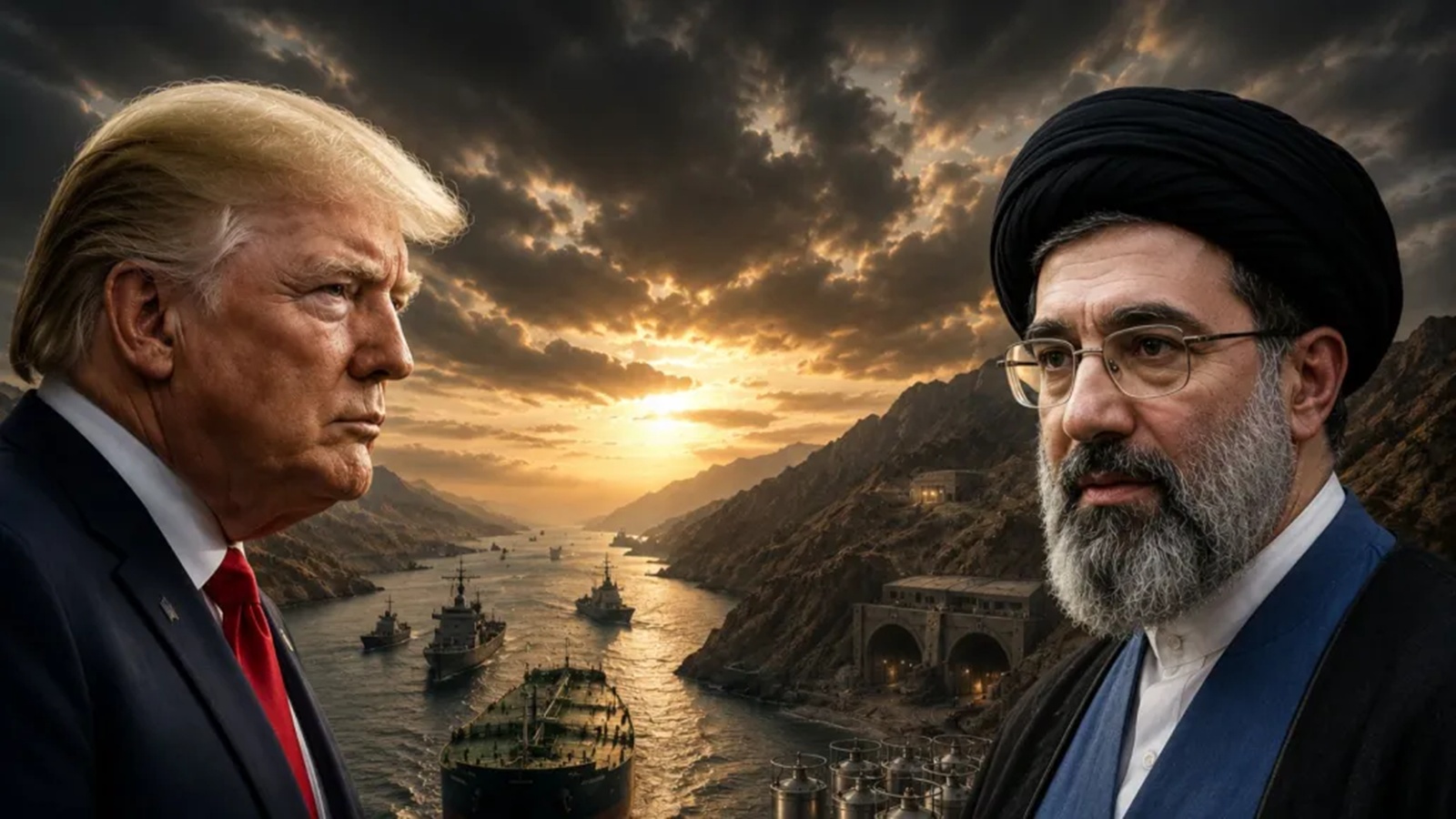
A 60-day ceasefire deal between the US and Iran has ended with no agreement on Iran's nuclear programme or the Strait of Hormuz. The deal required both sides to agree on disposal of Iran's enriched uranium, but both sides have accused each other of violating the agreement. The US and Iran signed a ceasefire in June that was supposed to pave the way for a 'final deal' to end the war wi…
Imagine you're playing a game of chess with your friend. You both agree to a ceasefire, but then you start accusing each other of cheating. That's what's happening between the US and Iran. They agreed to a ceasefire, but now they're fighting again because they can't agree on some important things.
Analysis
The Ceasefire Deal: A Framework for Peace or a Recipe for Disaster?
The 14-point framework was brokered by Pakistan and other Gulf nations, and was signed by Iranian President Masoud Pezeshkian and President Trump on June 17. The framework called for a halt to all military operations and spoke of a roadmap to resolve American and Israeli fears over Iran's nuclear programme – which the country has always insisted is meant for civilian use only – and a missile arsenal that is West Asia's most powerful.
However, over the past two months both sides have accused each other of violating the agreement. A week after the deal was signed, Iran fired on ships transiting the Strait of Hormuz by travelling along the coast of Oman. That route was supposed to be 'guarded' by the US Navy and was meant to bypass Tehran's control of the strait. The US retaliated by attacking the Islamic Republic, which in turn returned fire by attacking Arab countries hosting American forces, like Jordan, Kuwait, and Bahrain.
The Strait of Hormuz: A Key Sticking Point
As part of the interim agreement Washington and Tehran were supposed to discuss the re-opening of the Strait of Hormuz and lifting of the US naval blockade. The Hormuz is a narrow maritime channel that ships around 20 per cent of the world's oil and gas supplies. Iran's control of the Hormuz put pressure on global oil prices. However, there have been no signs of compromise over the strait, and detailed nuclear talks have not even begun, AP reported.
The US Running Out of Missiles
Multiple intelligence reports indicate the US is running out of missiles. Washington's dwindling arsenal makes it harder for Trump to claim the upper hand in talks with the Iranians and underlines the possibility of extended conflict in West Asia.
Key points
- The 60-day ceasefire deal between the US and Iran has ended with no agreement on Iran's nuclear programme or the Strait of Hormuz.
- The deal required both sides to agree on disposal of Iran's enriched uranium, but both sides have accused each other of violating the agreement.
- The US and Iran signed a ceasefire in June that was supposed to pave the way for a 'final deal' to end the war within 60 days.
- The Strait of Hormuz is a key sticking point in the negotiations, with Iran controlling the strait and the US wanting to lift the naval blockade.
- The US is running out of missiles, which makes it harder for Trump to claim the upper hand in talks with the Iranians.
If the US and Iran can agree on a new deal, it could lead to a reduction in tensions and a decrease in the risk of conflict in the region. This could also lead to a decrease in global oil prices, which would be beneficial for the economy.
If the US and Iran cannot agree on a new deal, it could lead to an extended conflict in the region, which would have significant implications for global oil prices and the stability of the region. This could also lead to a decrease in the value of the US dollar and an increase in inflation.