US removes Syria's designation as State Sponsor of Terrorism
The US State Department removed Syria from its list of State Sponsors of Terrorism, a move first announced earlier this year pending a review by Congress.
Intelligence analysis by Llama
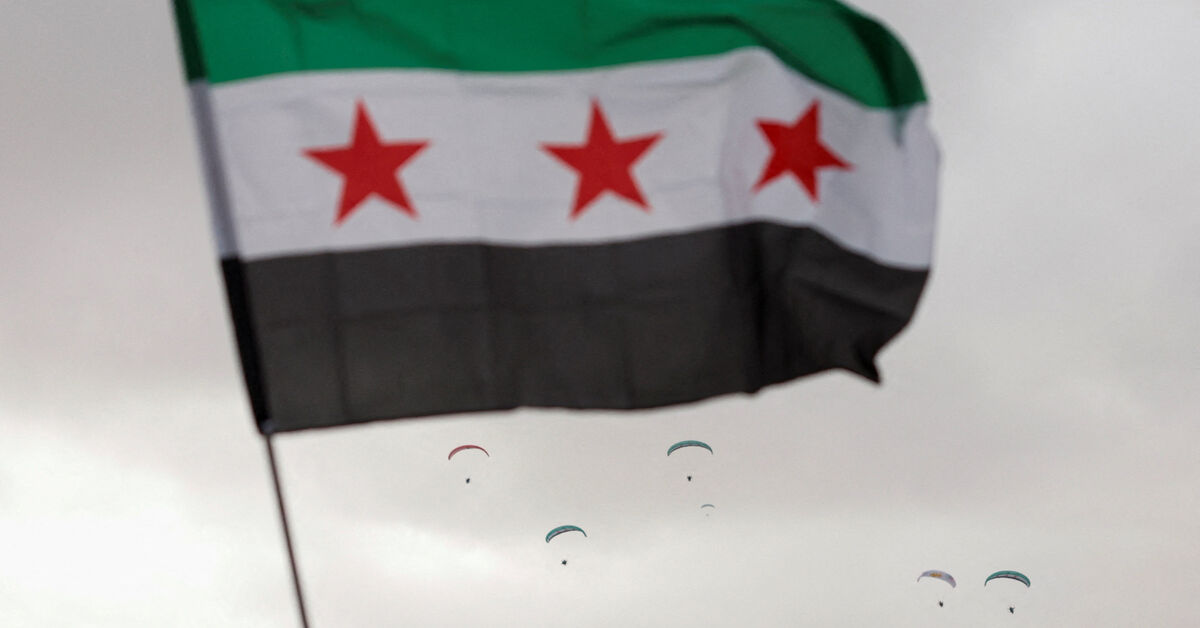
The US has removed Syria from its list of State Sponsors of Terrorism, a move that was first announced earlier this year pending a review by Congress. This decision comes after a thorough review and assessment of Syria's current status and its compliance with US regulations.
Imagine you're playing a game with your friends, and one of your friends is not following the rules. The US government has been saying that Syria is not following the rules, and that's why they've been on a list of countries that the US doesn't like. But now, the US government is saying that Syria is following the rules, so they're taking them off the list. This means that Syria might be able to get more help and support from the US and other countries, which could be good for the people living there.
Analysis
Background
The US designation of Syria as a State Sponsor of Terrorism was first made in 1979, following the country's invasion of Lebanon. This designation has had significant consequences for Syria, including economic sanctions and restrictions on US aid.
What Changed
The US State Department's decision to remove Syria from its list of State Sponsors of Terrorism is a significant development in the country's relations with the international community. This move comes after a thorough review and assessment of Syria's current status and its compliance with US regulations. The review was conducted in accordance with the requirements of the State Department's regulations, which include an assessment of the country's compliance with US laws and regulations, as well as its human rights record.
Implications
The removal of Syria from the list of State Sponsors of Terrorism has significant implications for the country's relations with the international community. It could lead to increased economic cooperation and investment, as well as improved diplomatic relations with other countries. However, it also raises concerns about the potential for increased violence and instability in the region, particularly if the US decision is seen as a sign of weakness by extremist groups.
Next Steps
The US State Department's decision to remove Syria from its list of State Sponsors of Terrorism is a significant development that will have far-reaching implications for the country and the region. The next steps will depend on the US government's assessment of Syria's compliance with US regulations and its human rights record. If the US government determines that Syria has made significant progress in these areas, it may consider further easing of sanctions and restrictions on US aid.
Key points
- The US State Department has removed Syria from its list of State Sponsors of Terrorism.
- The decision comes after a thorough review and assessment of Syria's current status and its compliance with US regulations.
- The removal of Syria from the list has significant implications for the country's relations with the international community.
- It could lead to increased economic cooperation and investment, as well as improved diplomatic relations with other countries.
- However, it also raises concerns about the potential for increased violence and instability in the region.
If the US decision to remove Syria from its list of State Sponsors of Terrorism leads to increased economic cooperation and investment, it could have a positive impact on the country's economy and improve the lives of its citizens. Additionally, improved diplomatic relations with other countries could lead to increased international support for peace and stability in the region.
However, the removal of Syria from the list of State Sponsors of Terrorism also raises concerns about the potential for increased violence and instability in the region. If extremist groups see the US decision as a sign of weakness, they may become more aggressive and violent, leading to further conflict and human suffering.