US to review benefits of having troops in Europe with ‘era of free-riding’ over
US Defence Secretary Pete Hegseth announced a review of US forces in Europe, citing an end to the 'era of free-riding' for NATO allies. The US will assess the benefits of having troops in Europe and make its dues to the NATO budget contingent on other countries meeting de…
Intelligence analysis by Llama 3.3 70B
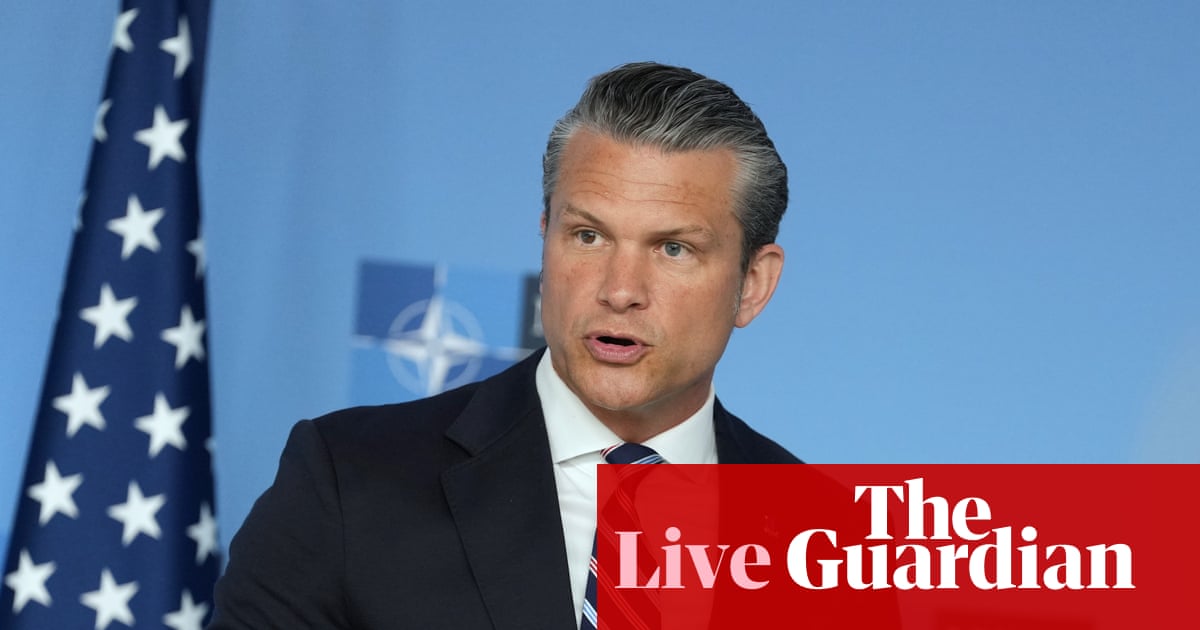
The US is reevaluating its military presence in Europe, with a focus on ensuring NATO allies contribute fairly to defence spending. This move marks a significant shift in the US-NATO relationship, as the US seeks to rebalance the alliance and encourage greater burden-sharing among its members.
The US is like a parent who has been paying for their kids' defence, but now they want the kids to start paying for themselves. The US is reviewing its military presence in Europe and wants its NATO allies to start contributing more to defence spending.
Analysis
The End of Free-Riding
The US has long been the primary contributor to NATO's defence spending, with many European allies failing to meet the agreed-upon target of 2% of GDP. This has led to frustration among US policymakers, who argue that the current arrangement is unsustainable and unfair. The announcement by Defence Secretary Hegseth marks a significant shift in the US approach, as the country seeks to rebalance the alliance and encourage greater burden-sharing among its members.
The review of US forces in Europe will be a comprehensive assessment of the benefits and drawbacks of maintaining a significant military presence on the continent. The US will examine the strategic value of its bases and troops in Europe, as well as the financial costs and benefits of maintaining these assets. This review will be designed to ensure that NATO is moving towards a more equitable and sustainable arrangement, with all members contributing fairly to defence spending.
A New Era for NATO
The US decision to make its dues to the NATO budget contingent on other countries meeting defence spending targets marks a significant change in the alliance's dynamics. This move is intended to encourage NATO allies to increase their defence spending and take greater responsibility for their own security. The US is seeking to create a more equitable and sustainable arrangement, where all members contribute fairly to the alliance's defence efforts.
The implications of this move are far-reaching, with potential consequences for the global balance of power. A stronger and more cohesive NATO alliance could help to counterbalance the growing influence of other global powers, such as China and Russia. However, the success of this effort will depend on the willingness of NATO allies to increase their defence spending and take greater responsibility for their own security.
The Road Ahead
The US review of its forces in Europe and the decision to make its dues to the NATO budget contingent on defence spending targets mark the beginning of a new era for the alliance. The coming months and years will be critical, as the US and its NATO allies work to implement this new arrangement and ensure a more equitable and sustainable alliance. The success of this effort will depend on the ability of NATO members to work together and make difficult decisions about defence spending and security priorities.
Key points
- The US is reviewing its military presence in Europe
- The US will make its dues to the NATO budget contingent on defence spending targets
- NATO allies are being encouraged to increase their defence spending and take greater responsibility for their own security
If NATO allies increase their defence spending and take greater responsibility for their own security, the alliance could become stronger and more cohesive. This could help to counterbalance the growing influence of other global powers and create a more stable and secure Europe.
If NATO allies fail to increase their defence spending, the alliance could become weaker and less effective. This could create an opportunity for other global powers to exert their influence in Europe, potentially leading to instability and conflict.