US to Use Iran's Frozen Assets to Pay for Damages to Ships
US President Donald Trump has announced that he will use Iran's frozen assets to pay for damages to ships and cargo in the Strait of Hormuz. This move comes after Iran's military forces have repeatedly attacked merchant vessels in the region.
Intelligence analysis by Llama
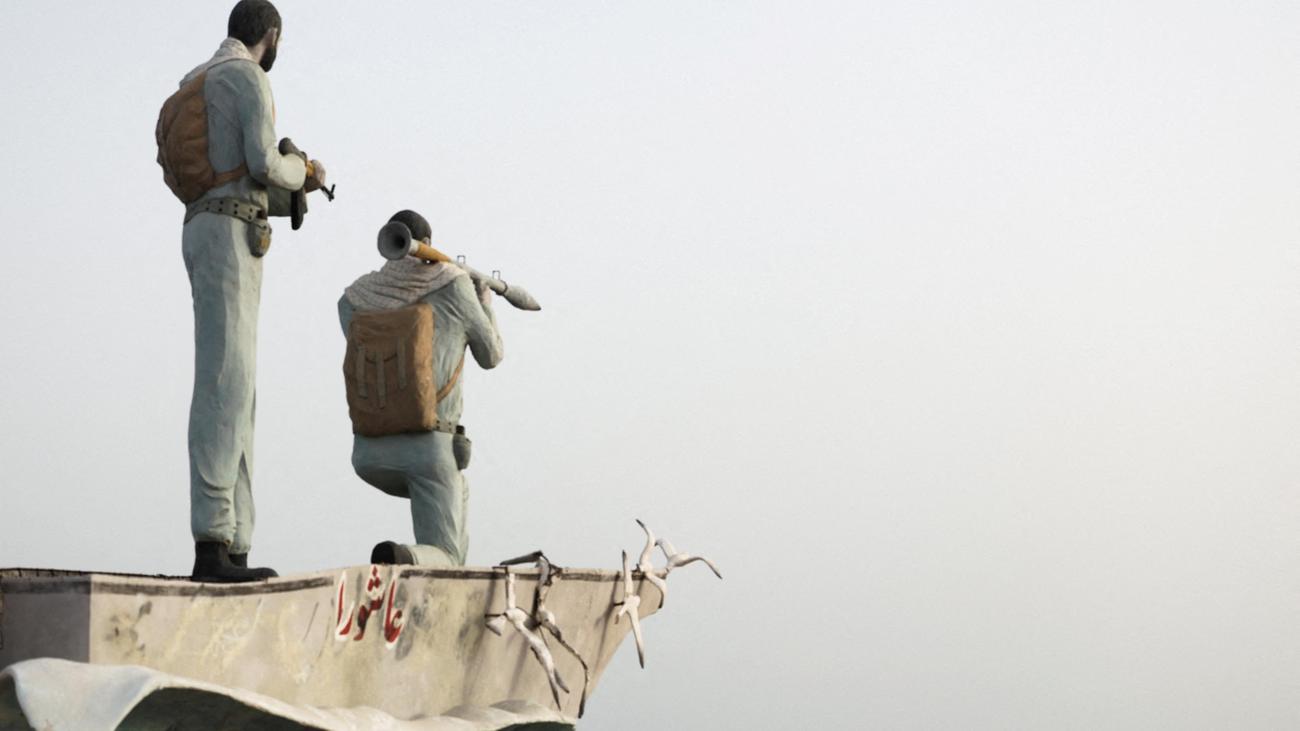
US President Donald Trump has announced that he will use Iran's frozen assets to pay for damages to ships and cargo in the Strait of Hormuz. This move comes after Iran's military forces have repeatedly attacked merchant vessels in the region. Trump has stated that this is a 'fair and just' approach, but it is unclear how he plans to legally justify this action.
Imagine you borrowed money from a friend, but you couldn't pay it back. The friend might decide to take some of your money to cover the debt. That's kind of what's happening here, but instead of a friend, it's the US government taking some of Iran's money to pay for damages to ships and cargo.
Analysis
A New Approach to Conflict Resolution
The US decision to use Iran's frozen assets to pay for damages to ships and cargo in the Strait of Hormuz is a significant development in the ongoing conflict between the two nations. This move comes after Iran's military forces have repeatedly attacked merchant vessels in the region, causing significant damage and disruption to global trade.
Implications for Global Trade
The US-Iran conflict has already had a significant impact on global trade, with oil prices rising sharply in response to the increased tensions in the region. The use of Iran's frozen assets to pay for damages to ships and cargo is likely to have a further impact on global trade, particularly in the Middle East.
The Road Ahead
The US decision to use Iran's frozen assets to pay for damages to ships and cargo is a significant development in the ongoing conflict between the two nations. However, it is unclear how this move will be received by Iran and whether it will lead to a resolution of the conflict. One thing is certain, however: the US-Iran conflict will continue to have a significant impact on global trade and security in the coming weeks and months.
Key points
- US President Donald Trump has announced that he will use Iran's frozen assets to pay for damages to ships and cargo in the Strait of Hormuz.
- This move comes after Iran's military forces have repeatedly attacked merchant vessels in the region.
- The US decision to use Iran's frozen assets to pay for damages to ships and cargo is a significant development in the ongoing conflict between the two nations.
If this development plays out positively, it could lead to a resolution of the conflict between the US and Iran. This, in turn, could lead to a decrease in tensions in the region and a reduction in the impact on global trade.
However, if this move is not received well by Iran, it could lead to further escalation of the conflict. This, in turn, could lead to a further increase in tensions in the region and a further impact on global trade.
Market signals
- Oil The US-Iran conflict has already led to increased tensions in the region and has had a significant impact on oil prices.
AI-generated analysis of potential market relevance. Not financial advice.