U.S. Treasury Department Proposes GENIUS Act Stablecoin Rule
The U.S. Treasury Department has proposed a rule to implement the GENIUS Act for stablecoin issuers, marking a significant milestone in the process to put U.S. stablecoin regulations in place.
Intelligence analysis by Llama
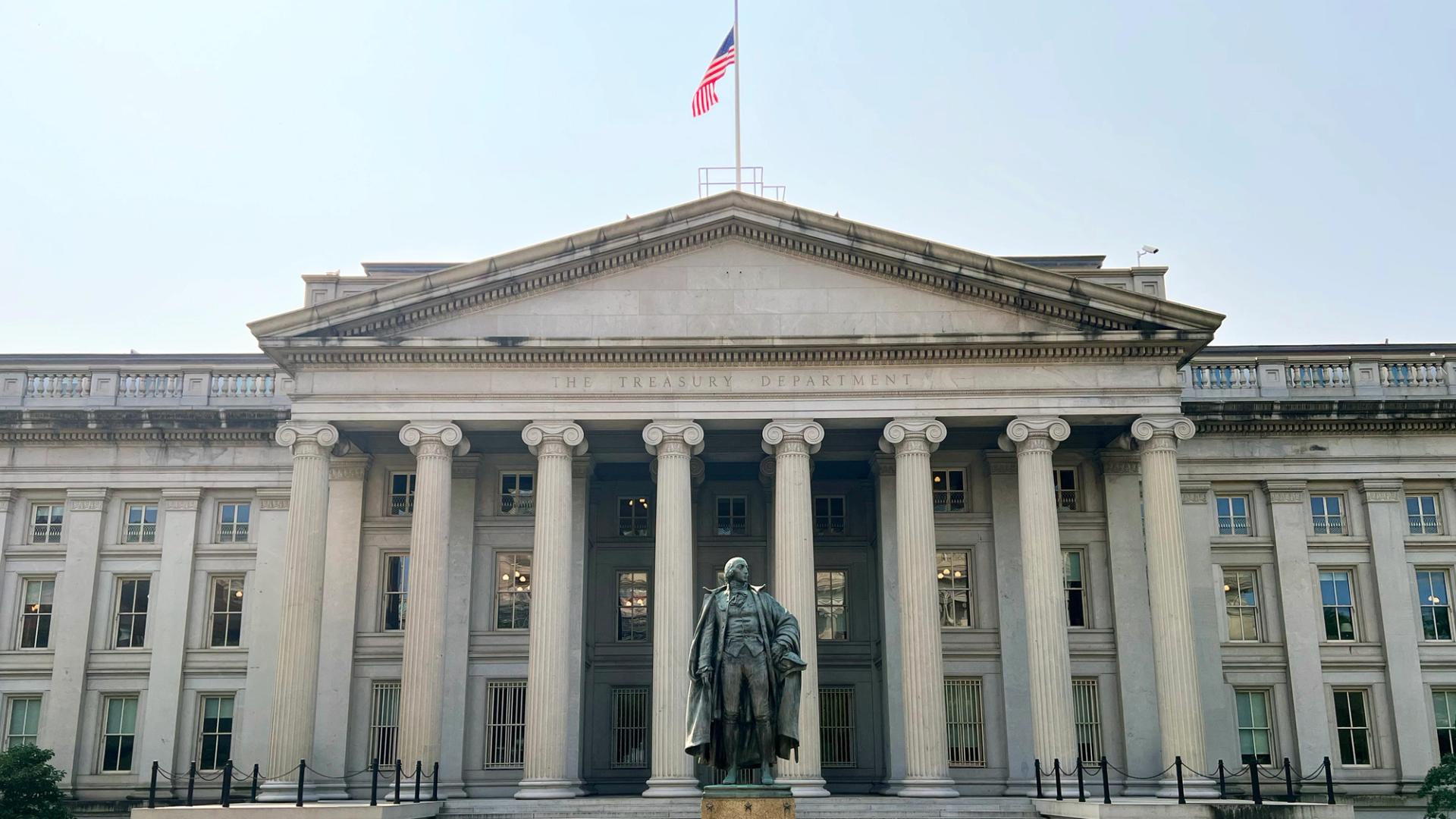
The Treasury proposal would establish some of the core definitions and jurisdictions in the law Congress completed last year. The proposal poses dozens of questions about the best approach to interpreting the law, each of which must be answered before the final sign-off.
Imagine you have a special kind of money called a stablecoin that can be used to buy things online. The U.S. government wants to make sure that this money is safe and works well, so they're creating rules to help it happen. This is a big step towards making sure that the stablecoin industry is working well and that people can trust it.
Analysis
GENIUS Act Background
The GENIUS Act is a law passed by Congress last year that aims to provide regulatory certainty for the stablecoin industry. The law requires the Treasury Department to establish definitions and jurisdictions for stablecoin issuers, as well as rules for operating U.S. stablecoin issuers. The Treasury Department has taken another big step towards implementing the law by proposing a rule that would establish some of the core definitions and jurisdictions.
Implications of the Proposal
The proposal poses dozens of questions about the best approach to interpreting the law, each of which must be answered before the final sign-off. The industry will pay special attention to how it approaches foreign issuers, such as industry leader Tether. The proposal notes that the Act evinces a clear intent for payment stablecoins to serve as an effective means of payment and settlement, including across borders, and application of traditional investment rules to payment stablecoins may frustrate that goal.
Timeline for Implementation
The public and the growing industry of stablecoin issuers now have 60 days to weigh in with comments, and the department will be expected to take further months to review them before issuing a final rule. The law's one-year target to have its rules implemented passed last month, without the administration meeting the requirement. The next mark is the effective date of the law, which is supposed to come by January 18. It's unlikely that all the rules will be finalized by then, and new regulations usually come with runways allowing an industry to transition into them.
Key points
- The U.S. Treasury Department has proposed a rule to implement the GENIUS Act for stablecoin issuers.
- The proposal poses dozens of questions about the best approach to interpreting the law.
- The industry will pay special attention to how it approaches foreign issuers, such as industry leader Tether.
- The proposal notes that the Act evinces a clear intent for payment stablecoins to serve as an effective means of payment and settlement, including across borders.
If the Treasury Department's proposal is implemented successfully, it could provide regulatory certainty for the stablecoin industry and help to cement the role of the U.S. dollar as the world's reserve currency. This could lead to increased investment and growth in the industry, as well as greater trust and confidence among users.
However, the proposal also poses significant challenges for the industry, particularly in terms of how to approach foreign issuers and the application of traditional investment rules to payment stablecoins. If the Treasury Department is unable to address these challenges effectively, it could lead to delays and uncertainty in the implementation of the law, which could have negative consequences for the industry and its users.