US Treasury Sanctions Iranian Firms Taking Bitcoin for Hormuz Passage
The US Treasury has sanctioned two Iranian firms behind a scheme requiring vessels to buy IRGC-approved 'insurance' to transit the Strait of Hormuz. One of the firms, Hormuz Safe, accepts Bitcoin and other digital assets to evade sanctions.
Intelligence analysis by Llama
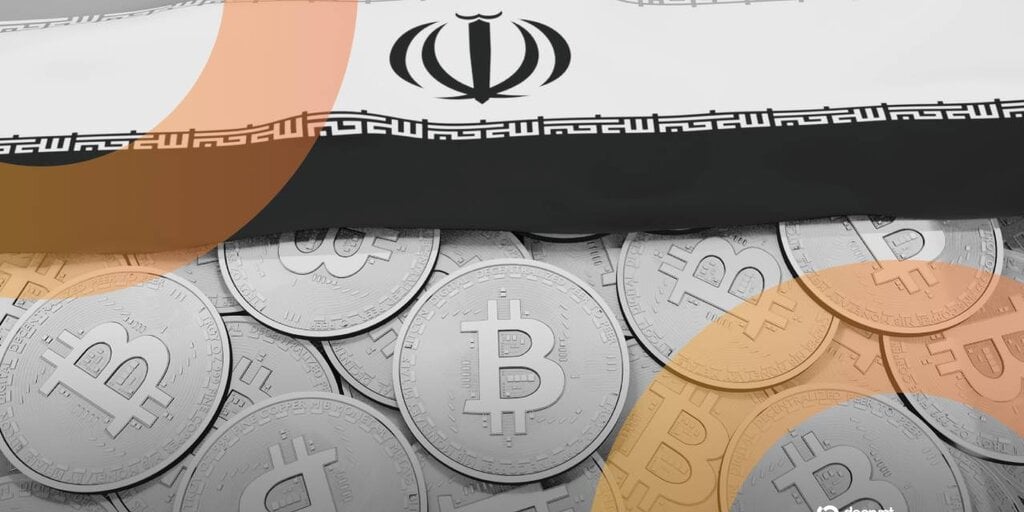
The US Treasury has sanctioned two Iranian firms behind a scheme requiring vessels to buy IRGC-approved 'insurance' to transit the Strait of Hormuz. One of the firms, Hormuz Safe, accepts Bitcoin and other digital assets to evade sanctions.
Imagine you're a ship trying to get through a narrow waterway called the Strait of Hormuz. To get through, you have to pay a fee to a company called Hormuz Safe. But instead of using regular money, Hormuz Safe accepts Bitcoin, a type of digital currency. This is a problem because it means that ships can use Bitcoin to pay the fee and avoid being detected by the US Treasury, which is trying to enforce sanctions on Iran. The US Treasury has now sanctioned the company behind this scheme, which means that it's no longer allowed to operate.
Analysis
A $60B Vote of Confidence
The US Treasury's sanctions on two Iranian firms behind a scheme requiring vessels to buy IRGC-approved 'insurance' to transit the Strait of Hormuz have significant implications for the global economy. The Strait of Hormuz is a critical waterway that carries a fifth of the world's oil, and any disruption to it could have severe consequences for global energy markets. The sanctions highlight the use of cryptocurrency to evade sanctions and the risks associated with it. One of the firms, Hormuz Safe, accepts Bitcoin and other digital assets to evade sanctions, which raises concerns about the security of the Strait of Hormuz and the potential for further conflict in the region. The sanctions also demonstrate the US Treasury's commitment to enforcing sanctions and preventing the use of cryptocurrency to evade them. The implications of these sanctions are far-reaching and will have significant consequences for the global economy.
Why Cursor?
The sanctions on the two Iranian firms highlight the use of cryptocurrency to evade sanctions and the risks associated with it. The firms have been using cryptocurrency to buy and sell goods and services, which has allowed them to evade sanctions and continue to operate despite being designated as terrorist entities. The sanctions demonstrate the US Treasury's commitment to enforcing sanctions and preventing the use of cryptocurrency to evade them. The implications of these sanctions are far-reaching and will have significant consequences for the global economy.
The Road Ahead
The sanctions on the two Iranian firms have significant implications for the global economy. The Strait of Hormuz is a critical waterway that carries a fifth of the world's oil, and any disruption to it could have severe consequences for global energy markets. The sanctions highlight the use of cryptocurrency to evade sanctions and the risks associated with it. One of the firms, Hormuz Safe, accepts Bitcoin and other digital assets to evade sanctions, which raises concerns about the security of the Strait of Hormuz and the potential for further conflict in the region. The sanctions also demonstrate the US Treasury's commitment to enforcing sanctions and preventing the use of cryptocurrency to evade them.
Key points
- The US Treasury has sanctioned two Iranian firms behind a scheme requiring vessels to buy IRGC-approved 'insurance' to transit the Strait of Hormuz.
- One of the firms, Hormuz Safe, accepts Bitcoin and other digital assets to evade sanctions.
- The sanctions highlight the use of cryptocurrency to evade sanctions and the risks associated with it.
- The implications of these sanctions are far-reaching and will have significant consequences for the global economy.
The sanctions on the two Iranian firms may lead to a decrease in the use of cryptocurrency to evade sanctions, which could reduce the risk of further conflict in the region. Additionally, the sanctions demonstrate the US Treasury's commitment to enforcing sanctions and preventing the use of cryptocurrency to evade them, which could lead to increased confidence in the global economy.
The sanctions on the two Iranian firms may lead to a further escalation of tensions in the region, as Iran may see the sanctions as an attack on its sovereignty. Additionally, the use of cryptocurrency to evade sanctions may continue, as it is a difficult problem to solve and may require significant resources to address.
Market signals
- Oil The sanctions on the two Iranian firms may lead to a disruption in the flow of oil through the Strait of Hormuz, which could drive up oil prices.
AI-generated analysis of potential market relevance. Not financial advice.