U.S. Treasury to unveil new Iran sanctions after Trump warned of 'economic D-Day' for Tehran
The U.S. Treasury will unveil new sanctions against Iran on Monday, part of a strategy shift to pile economic pressure on the Islamic republic in the hope of breaking the stalemate between the two countries. Treasury Secretary Scott Bessent has warned Iran and its allies …
Intelligence analysis by Llama
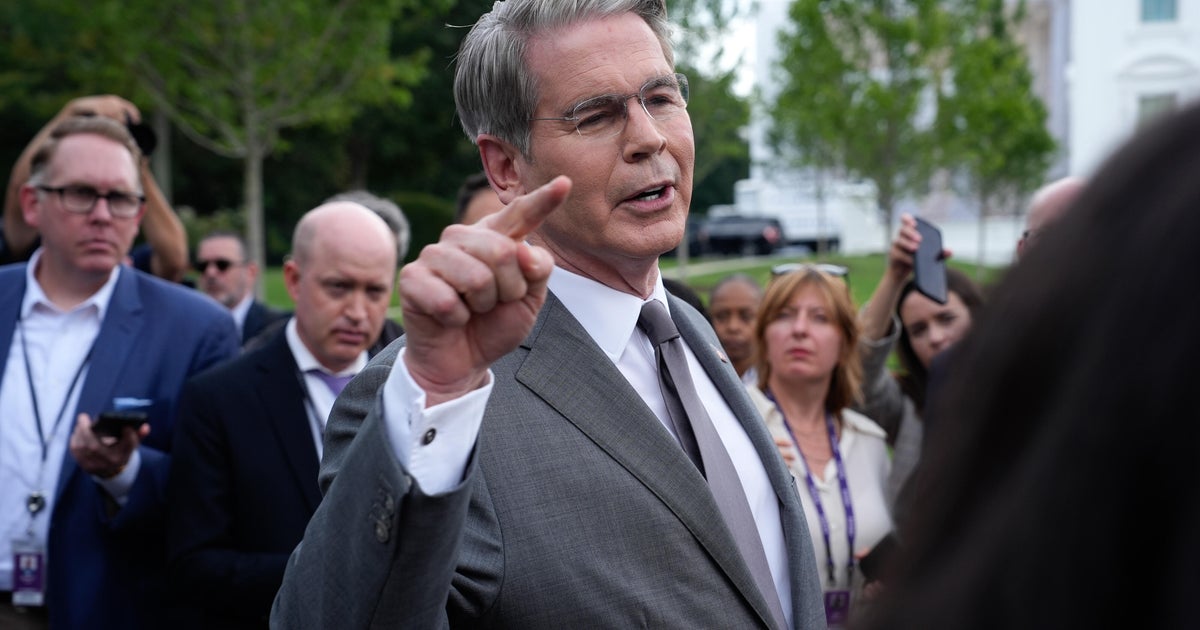
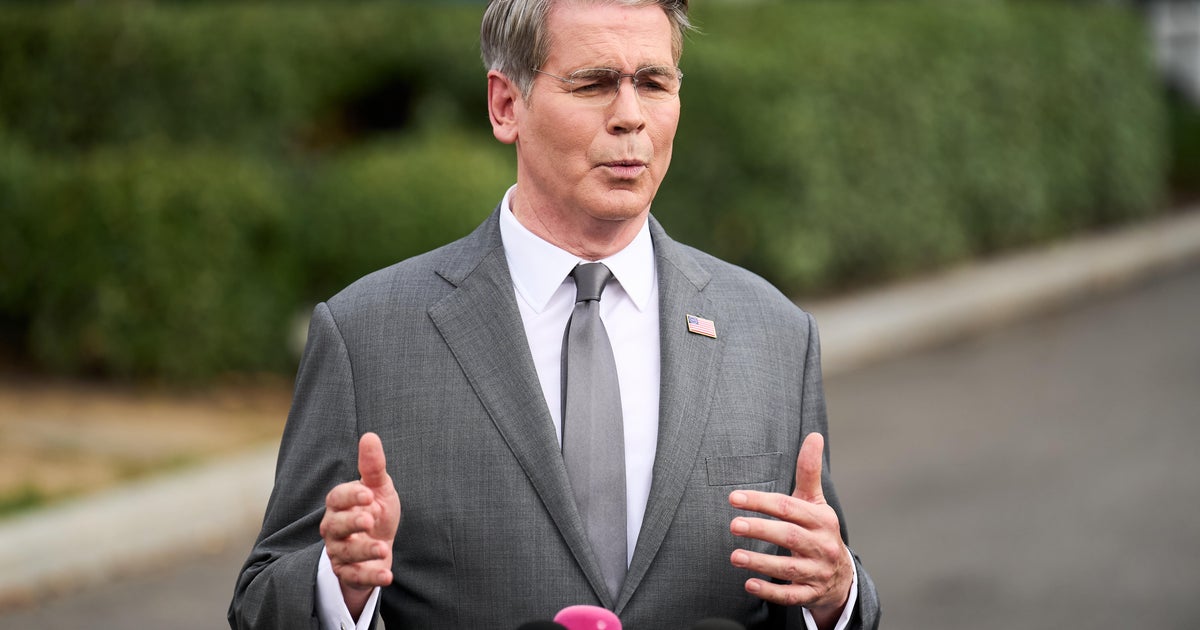
The U.S. Treasury is set to unveil new sanctions against Iran on Monday, as part of a strategy shift to pile economic pressure on the Islamic republic. Treasury Secretary Scott Bessent has warned Iran and its allies that the U.S. will unleash an 'economic D-Day' on Iran.
Imagine the U.S. is trying to put a big economic squeeze on Iran. The U.S. is imposing new sanctions, which means Iran will have a harder time getting money and goods. This is like trying to cut off a country's supply lines, making it harder for them to function.
Analysis
Economic D-Day for Iran
The U.S. Treasury's new sanctions on Iran are a significant escalation of the economic pressure on the Islamic republic. Treasury Secretary Scott Bessent has described the measures as 'the single greatest financial offensive ever marshalled against an adversary.' The sanctions are part of a strategy shift to pile economic pressure on Iran in the hope of breaking the stalemate between the two countries.
Strait of Hormuz Talks Continue
Oman and Iran are set to continue their talks on the future management of the Strait of Hormuz on Tuesday. The two countries have been engaged in talks for weeks to negotiate how to manage the chokepoint. Some details have emerged regarding the possible introduction of fees for ships transiting the strait, as well as specific routes for entering and exiting the area.
Iran's President Defends Memorandum of Understanding
Iranian President Masoud Pezeshkian has defended the memorandum of understanding signed with the U.S. in June as the best way for the country to move beyond what he described as a situation of 'neither war nor peace.' The deal set an ambitious 60-day deadline for ending the war with Iran and reaching an accord on its nuclear program. That period ended last week, after weeks of stalled progress and flare-ups, with both sides declaring they had abandoned it.
Key points
- The U.S. Treasury will unveil new sanctions against Iran on Monday.
- The sanctions are part of a strategy shift to pile economic pressure on Iran.
- Oman and Iran are set to continue their talks on the future management of the Strait of Hormuz on Tuesday.
- Iranian President Masoud Pezeshkian has defended the memorandum of understanding signed with the U.S. in June.
If the new sanctions are successful, it could lead to a breakthrough in the negotiations between the U.S. and Iran. This could result in a new agreement that addresses the concerns of both countries and leads to a more peaceful resolution of the conflict.
The new sanctions could have unintended consequences, such as driving Iran further into the arms of its allies and making it more difficult to negotiate a peaceful resolution. Additionally, the sanctions could harm innocent civilians and exacerbate the humanitarian crisis in the region.
Market signals
- XAU Escalation drives safe-haven demand for gold, per the article's framing of investor reaction.
AI-generated analysis of potential market relevance. Not financial advice.