Wallace & Gromit maker Aardman falls short of return to profit
Aardman, the British animation studio behind Wallace & Gromit, has reported an annual loss of £1.1m, missing its target for a return to profit. Revenues rose 8% to £20.4m, but production delays and a challenging children's content market impacted results.
Intelligence analysis by Gemini 2.5 Flash Lite
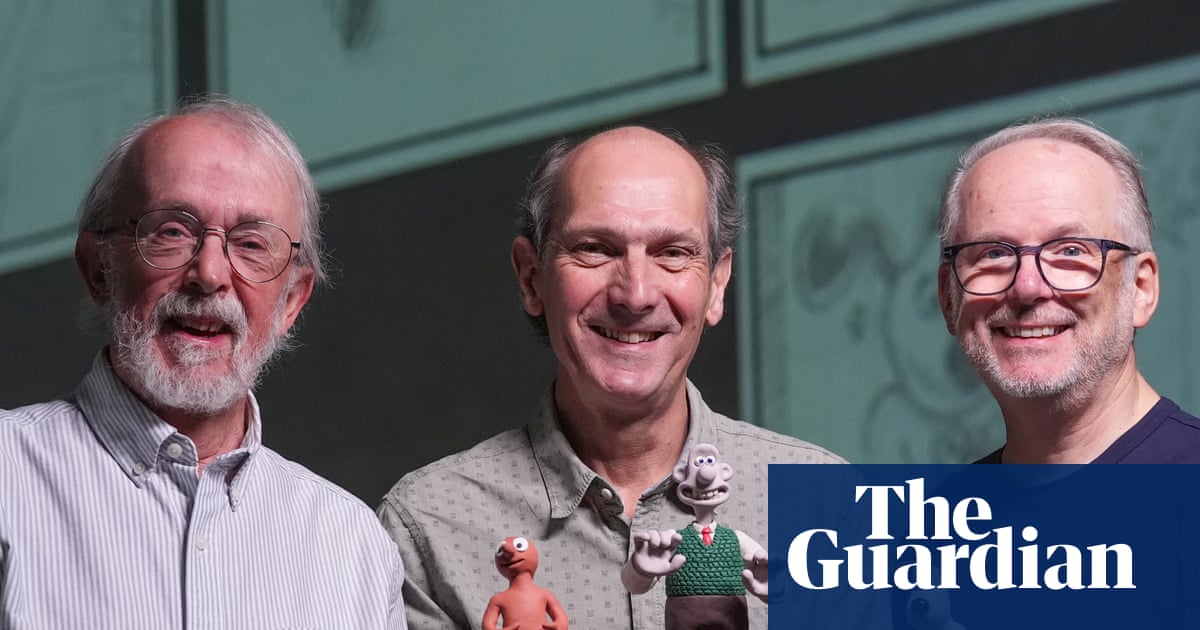
Despite an 8% revenue increase to £20.4m, Aardman, the renowned animation studio, recorded a £1.1m loss for the year. The company cited production delays and a difficult market for children's content as primary reasons for failing to achieve its goal of returning to profitability.
Imagine Aardman is like a toy factory that makes Wallace & Gromit. They sold more toys this year, but it cost them a lot to make them, and some new toys were delayed. So, even though they made more money, they still spent more than they earned, losing a little bit of money. They are trying to be smarter about making toys and saving money for next year.
Analysis
Aardman's Financial Performance
The British animation studio Aardman, famous for its beloved characters Wallace & Gromit and Shaun the Sheep, has announced its annual accounts, revealing a narrowed loss of £1.1m for the past financial year. This figure, while an improvement on the previous year's £4.1m loss, signifies a missed target for returning to profitability. The company's revenues saw an 8% increase, reaching £20.4m, indicating a growing top line. However, this growth was insufficient to offset the costs and market conditions that hampered its bottom line. The studio attributed the shortfall to a combination of factors, including production delays on key projects and a generally "challenging market" specifically within the children's content sector.
Production Delays and Market Challenges
The timing of significant deals and weaker income streams in certain business segments were identified as key contributors to Aardman's financial performance. The animation industry, particularly for family-oriented content, is highly competitive and subject to shifting audience preferences and distribution strategies. Production delays, often inherent in the complex animation process, can have a substantial impact on revenue recognition and project profitability. Furthermore, the children's content market is known for its volatility, with studios needing to constantly innovate and adapt to new platforms and viewer engagement models. Aardman's reliance on a few core intellectual properties means that any disruption to their production or release schedule can have a pronounced effect on its overall financial health.
Strategic Adjustments and AI Concerns
In response to these pressures, Aardman launched a five-year business plan in 2024 aimed at increasing investment in its intellectual property and implementing cost-cutting measures. This strategic review has led to "several redundancies" as the company sought to manage inflationary cost pressures. The studio's headcount has significantly decreased, with permanent staff numbers falling from 128 to 110 in the 2025 financial year, bringing the total staff to 230 from 297. A notable concern highlighted in the annual accounts is the impact of artificial intelligence (AI) and generative AI. Aardman recognizes AI as a principal risk and uncertainty, acknowledging its potential to reshape creative industries. While seeing opportunities for workflow improvement and innovation, the studio also expressed caution regarding legal, ethical, and authorship issues, emphasizing the need for responsible development and use of AI that supports, rather than replaces, human creativity.
Key points
- Aardman reported an annual loss of £1.1m, failing to return to profit as targeted.
- Revenues increased by 8% to £20.4m, but production delays and a challenging children's content market impacted the bottom line.
- The studio has undergone redundancies as part of a five-year plan to invest in IP and cut costs.
- Aardman identified AI and generative AI as a principal risk, emphasizing responsible development to support human creativity.
The studio's recent successes, such as the critically acclaimed Wallace & Gromit: Vengeance Most Fowl, which broke viewing records and garnered awards, demonstrate the enduring appeal of its core characters. New projects like the "Shaun the Sheep" film and an exhibition exploring Aardman's history offer additional revenue streams and opportunities to engage audiences, potentially boosting future financial performance.
The company faces ongoing challenges from a difficult children's content market and inflationary cost pressures, which have already led to redundancies. The increasing prominence of AI also presents a significant risk, potentially disrupting creative workflows and raising complex ethical and legal questions that could impact future productions and profitability.