Warren Buffett Bought This New Dow Jones Stock Last Year and His Successor Recently Increased the Position by 200%. Is It Still a Buy?
Warren Buffett made a surprising stock pick in Alphabet, a technology company, during his last year as CEO of Berkshire Hathaway. His successor, Greg Abel, recently increased the position by 200%. Is Alphabet still a buy?
Intelligence analysis by Llama
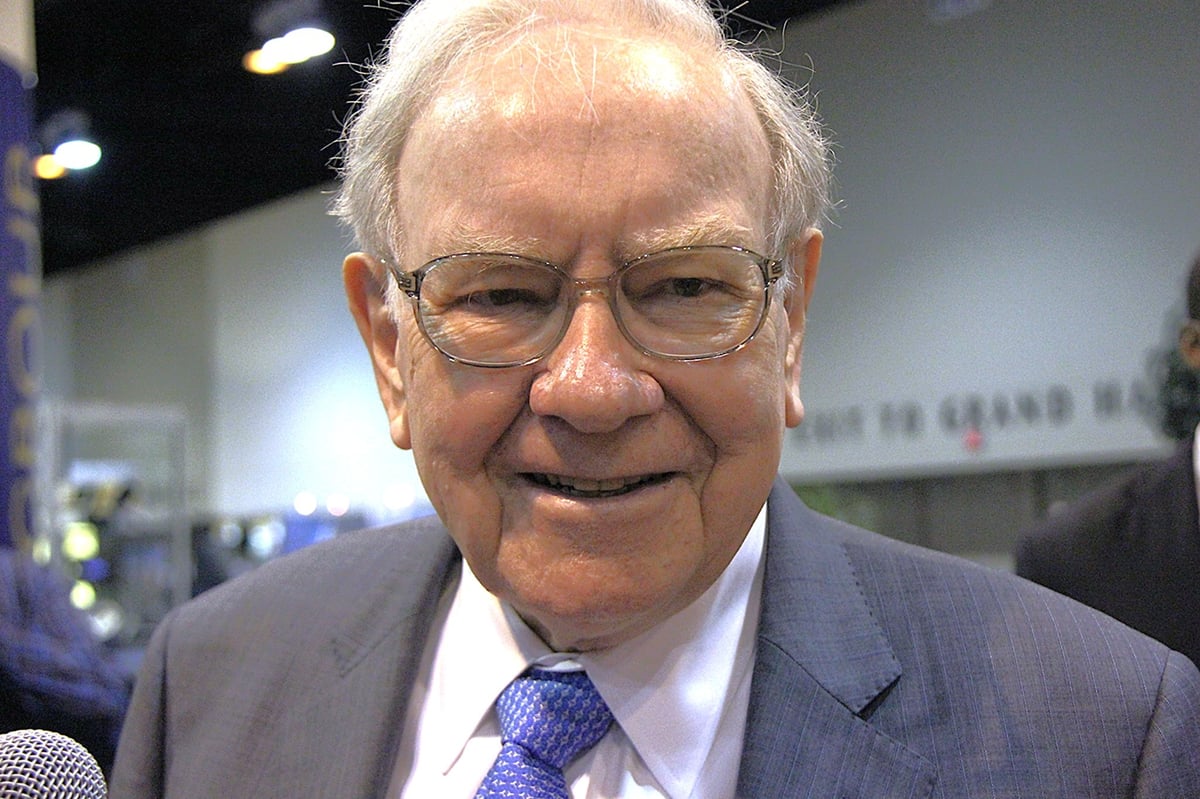
Warren Buffett's successor, Greg Abel, increased the position in Alphabet by 200% in the first quarter of this year. Alphabet's search business is going strong, and the company's Google Cloud and artificial intelligence (AI) are supercharging growth.
Imagine you have a favorite search engine that you use every day. Alphabet is the company that owns this search engine, called Google. Google is very good at finding what you're looking for, and it's hard for other search engines to be as good. This is called a 'moat' that Alphabet has, which means it's hard for others to compete with it. Warren Buffett, a very smart investor, bought some of Alphabet's stock because he thinks it's a good company with a strong moat. His successor, Greg Abel, also bought more of Alphabet's stock, which means they think it's a good investment too.
Analysis
A $60B Vote of Confidence
Warren Buffett's decision to buy Alphabet, a technology company, during his last year as CEO of Berkshire Hathaway, has been a significant move. Buffett's successor, Greg Abel, recently increased the position by 200%, reinforcing the bet on this recent Buffett selection. Alphabet's search business is going strong, and the company's Google Cloud and artificial intelligence (AI) are supercharging growth. Google Cloud offers AI products and services, including its Gemini large language model, to customers. And Alphabet also applies Gemini to its own businesses, including Google Search. In the latest quarter, the company said AI drove queries to a record high. This is key because the more people favor Google Search, the more advertisers will spend there. In the quarter, Google Cloud saw revenue climb more than 60%, and backlog almost doubled from the previous quarter to about $460 billion.
Why Buffett and Abel Like Alphabet
Buffett and Abel clearly like Alphabet for its solid moat and were happy to get in on this stock for a low price. Alphabet's revenue comes from advertising across its Google platform, and most of the tech giant's revenue comes from this source. This moat is difficult for other search players to replicate, showing that Alphabet has a significant competitive advantage. Buffett's long-term strategy has worked, and he has outperformed the S&P 500 over six decades. His successor, Abel, has continued this strategy, increasing the position in Alphabet by 200%.
The Road Ahead
Alphabet's valuation remains reasonable, and the growth story is a strong long-term one. This means it isn't too late to get in on this recent Warren Buffett buy. The company's Google Cloud and AI are supercharging growth, and Alphabet's search business is going strong. With a solid moat and a strong growth story, Alphabet is a compelling investment opportunity.
Key points
- Warren Buffett made a surprising stock pick in Alphabet, a technology company, during his last year as CEO of Berkshire Hathaway.
- His successor, Greg Abel, recently increased the position by 200%.
- Alphabet's search business is going strong, and the company's Google Cloud and artificial intelligence (AI) are supercharging growth.
- Alphabet's valuation remains reasonable, and the growth story is a strong long-term one.
- This means it isn't too late to get in on this recent Warren Buffett buy.
Alphabet's valuation remains reasonable, and the growth story is a strong long-term one. This means it isn't too late to get in on this recent Warren Buffett buy. The company's Google Cloud and AI are supercharging growth, and Alphabet's search business is going strong.
If Alphabet's growth story slows down, its valuation could become less reasonable. Additionally, if other search engines are able to replicate Alphabet's moat, it could lead to decreased revenue and a less compelling investment opportunity.