‘We’ve lost a basic sense of politeness’: UK readers reveal daily reality of public transport
UK public transport users express widespread frustration over antisocial behavior like loud music and phone calls, questioning the effectiveness of Andy Burnham's new campaign due to perceived lack of enforcement.
Intelligence analysis by Gemini 2.5 Flash
A new campaign by Andy Burnham to tackle nuisance behavior on UK public transport is met with skepticism by daily commuters, who detail a pervasive culture of impoliteness and a lack of enforcement, making journeys unpleasant and highlighting a breakdown in social etiquette.
Imagine you're on a bus or train, and someone next to you is playing loud videos or music, making it hard for you to relax. A grown-up named Andy wants to make a rule to stop this, like saying everyone should use headphones. But many people who ride the bus every day think it's a good idea, but they wonder who will actually tell people to turn it down, because they rarely see police or special helpers on the transport. It's like making a rule for your classroom, but no teacher is there to make sure everyone follows it.
Analysis
Andy Burnham's Campaign
Greater Manchester Mayor Andy Burnham has launched a public awareness campaign aimed at curbing antisocial behavior on public transport, specifically highlighting issues like passengers playing loud music or videos without headphones. This initiative stems from a recognition that such inconsiderate actions significantly detract from the travel experience for others, as Burnham himself noted, stating it “gets on your nerves and can quickly spoil the journey.” The campaign seeks to re-establish a basic level of civility and respect in shared public spaces.
However, the announcement has been met with considerable skepticism from the very commuters it intends to assist. Many readers, like Claire from London, question the practical impact of such a campaign, arguing that individuals already displaying a disregard for others' comfort are unlikely to alter their behavior simply due to a public announcement. This suggests that the problem may be rooted in a deeper societal shift regarding public etiquette rather than a lack of awareness about what constitutes polite conduct.
London Commuters' Reality
The article compiles numerous firsthand accounts from daily public transport users, painting a stark picture of the pervasive nature of antisocial behavior. Margaret, a commuter from Weston-super-Mare, describes her train journeys as a “nightmare,” frequently encountering individuals taking speakerphone calls or blasting media, even within designated quiet carriages. This indicates that the problem is not isolated but a regular occurrence that significantly impacts the quality of life for those reliant on public transport.
Claire, a London commuter, further elaborates on the range of inconsiderate actions, including leaning on poles, hogging seats with bags, and “man-spreading,” alongside the ubiquitous loud videos. She laments the “loss of a basic sense of politeness,” suggesting a fundamental breakdown in the social contract governing shared spaces. The cumulative effect of these behaviors creates an environment where commuters feel disrespected and powerless, often choosing to endure rather than confront.
Manchester Metrolink's Dilemma
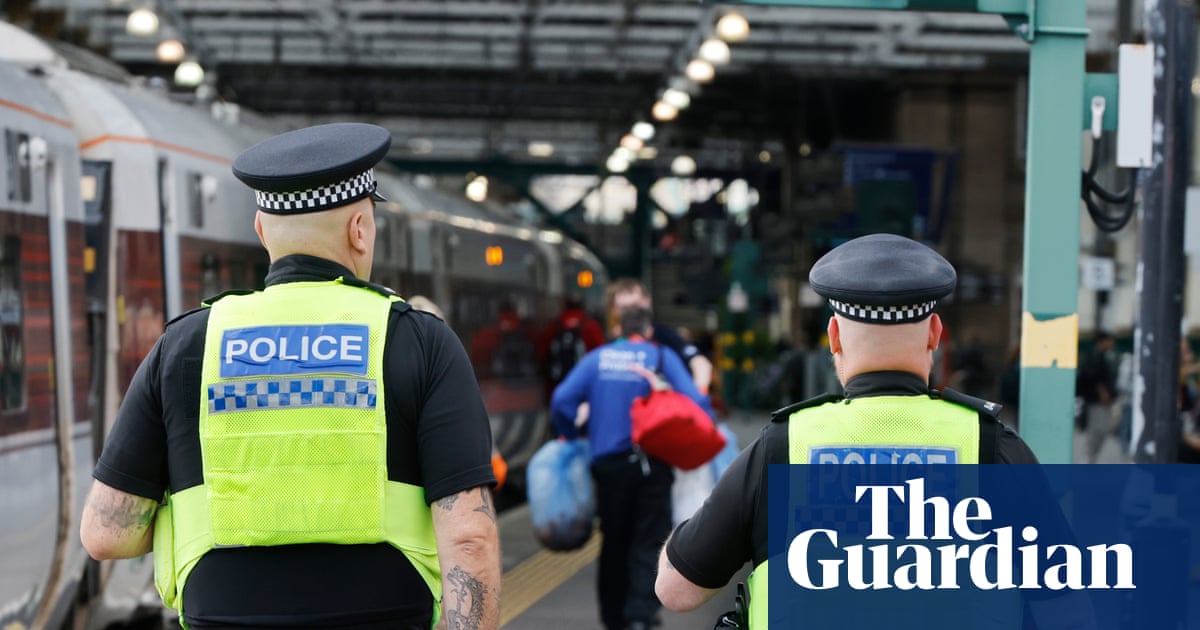
A critical theme emerging from reader feedback is the profound challenge of enforcing any new rules or expectations. The Manchester Metrolink, for instance, is cited as a system where the absence of regular conductors allows antisocial behavior to go unchecked, to the extent that it deters individuals from using trams and buses. This highlights a systemic issue where the lack of visible authority emboldens offenders and leaves law-abiding passengers feeling unprotected.
Mike Hughes from Tyldesley, Greater Manchester, further underscores the enforcement problem by discussing the difficulties posed by aggressive football fans on trains, who often engage in loud, offensive behavior without staff intervention. He questions the feasibility of effective enforcement, particularly on networks with “significant coverage gaps,” suggesting that only “instant reporting and action” would be truly effective. This points to a need for substantial investment in personnel and technology, rather than just policy announcements, to genuinely address the deep-seated issues of public order on transport.
Key points
- Andy Burnham has launched a campaign against antisocial behavior on public transport, specifically targeting loud music and videos.
- UK commuters widely report daily experiences of nuisance behavior, including loud phone calls, music, and general impoliteness.
- Many readers express skepticism about the campaign's effectiveness due to a perceived lack of enforcement by police or transport staff.
- Commuters are often reluctant to confront offenders themselves, citing past negative experiences and a general "loss of politeness."
- The issue extends beyond loud media to include aggressive football fans and other inconsiderate actions, highlighting a broader breakdown in public etiquette.
If Andy Burnham's campaign successfully raises awareness and encourages a cultural shift towards greater consideration, it could lead to a more pleasant and inclusive public transport experience for all. Increased public pressure and a renewed sense of shared responsibility might foster a return to basic politeness, making commutes less stressful and more enjoyable.
Without robust and visible enforcement, the campaign risks being perceived as an empty gesture, further eroding public trust in authorities' ability to address quality-of-life issues. The continued prevalence of antisocial behavior could deter more people from using public transport, potentially increasing reliance on private vehicles and exacerbating traffic and environmental problems.