What is the 60-60 rule for AirPods?
The 60-60 rule is a guideline to prevent hearing loss from AirPods. It recommends keeping the volume at 60% of the maximum output and taking 60-minute breaks to rest your ears.
Intelligence analysis by Llama
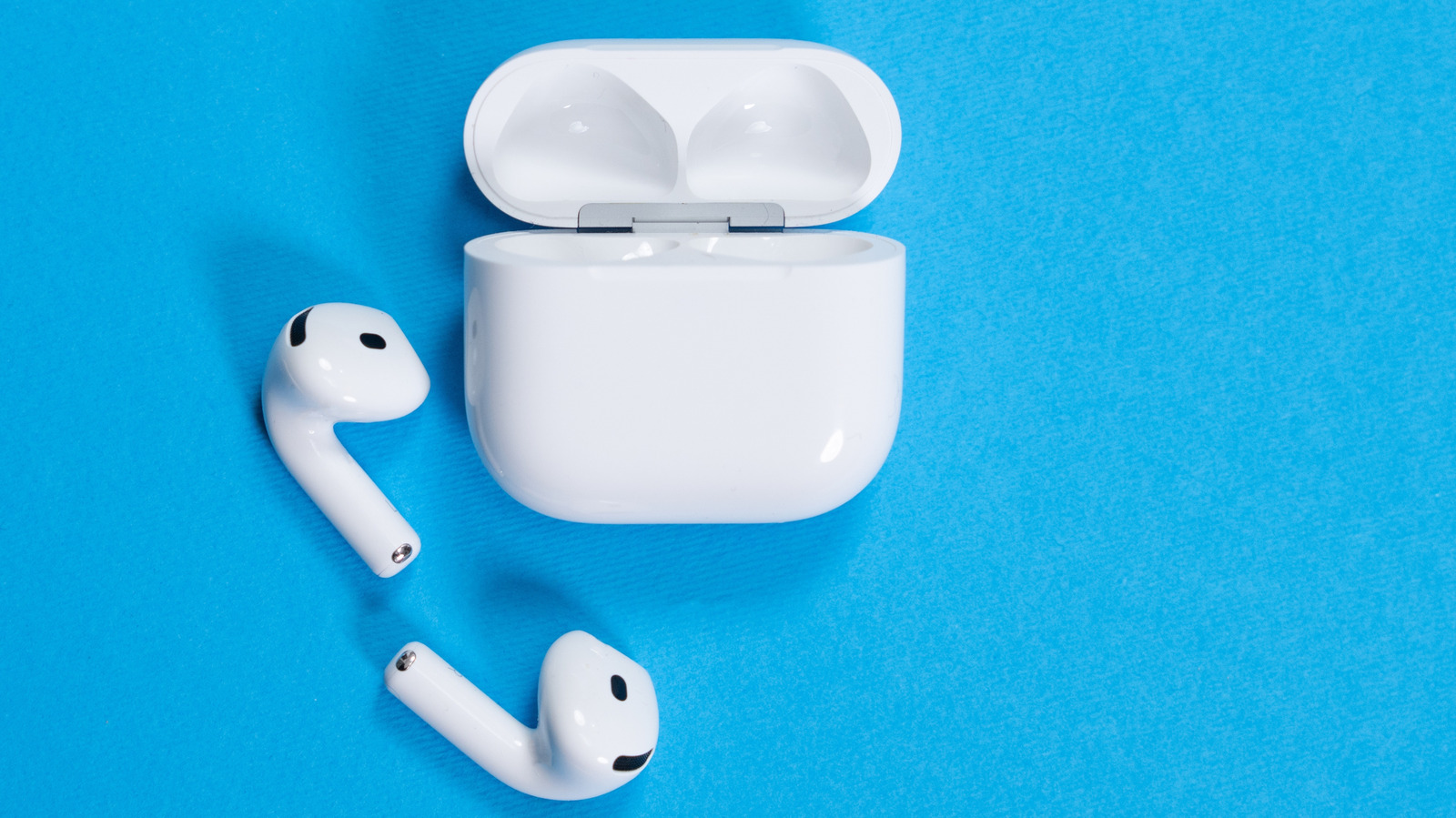
The 60-60 rule for AirPods is a guideline to prevent hearing loss by keeping the volume at 60% of the maximum output and taking 60-minute breaks to rest your ears. This is based on decades of noise research and is recommended by organizations such as the World Health Organization and the Mayo Clinic.
The 60-60 rule for AirPods is a way to protect your hearing. It means keeping the volume at 60% and taking breaks every 60 minutes. This helps prevent hearing loss from listening to music or podcasts for too long.
Analysis
What is the 60-60 rule for AirPods?
The 60-60 rule is a guideline developed by the audiology community and backed by organizations including WHO, Mayo Clinic, and the Hearing Health Foundation. Its two parts are: 60 percent volume: Keep your device volume at no more than 60 percent of its maximum output. 60 minutes: Don't listen continuously for more than 60 minutes before giving your ears a rest. The rule is not arbitrary. It's grounded in decades of noise research. The National Institute for Occupational Safety and Health (NIOSH) established that sustained exposure to sounds at 85 decibels (dB) or above poses a significant risk of hearing loss over time. At 60 percent volume, most devices and earbuds output roughly 75 to 85 dB. At 85 dB, you have roughly 8 hours of safe listening. NIOSH applies what's known as the '3 dB exchange rate,' where for every 3 dB increase in sound level, safe exposure time is cut in half.
How to avoid hearing loss from AirPods?
Knowing the guideline is one thing, putting it into practice is another. Here are a few steps you can take to avoid hearing loss from AirPods. First of all, set a volume limit on your iPhone. Go to Settings > Sounds & Haptics > Headphone Safety. From there, you can cap the maximum volume. Second of all, make sure you don't dismiss the warnings Apple devices give when sustained listening exceeds safe levels. You should also consider noise-canceling over-ear headphones because they reduce background noise, lower the temptation to raise volume in loud environments, and also function as a socially acceptable 'do not disturb' sign.
What are the warning signs of hearing loss?
According to the World Health Organization, the main warning signs include persistent ringing in the ear (also known as tinnitus), difficulty in hearing high-pitched sounds like alarm clocks and doorbells, difficulty understanding speech, and difficulty following conversations in noisy environments. Needing to increase volume over time to hear the same content is also a sign that should make you realize you are a few songs away from needing to turn on closed captions for real-life conversations.
Key points
- The 60-60 rule is a guideline to prevent hearing loss from AirPods.
- The rule recommends keeping the volume at 60% of the maximum output and taking 60-minute breaks to rest your ears.
- Hearing loss from headphone use is a genuine public health concern.
- The World Health Organization estimates that more than one billion young people are at risk of permanent hearing loss due to recreational exposure to loud sounds.
If people follow the 60-60 rule, they can significantly reduce their risk of hearing loss. This can lead to a healthier and more sustainable listening experience for generations to come.
If people ignore the 60-60 rule, they may experience hearing loss, which can lead to difficulties in communication, social isolation, and decreased quality of life.