What we wear, and what can be taken from us
A woman's body is often used to declare status, but what happens when a woman is widowed? Women's jewelry is sometimes forcibly removed, marking loss and grief publicly. A widow's story highlights the struggle for control over one's body.
Intelligence analysis by Qwen 2.5 (3B)
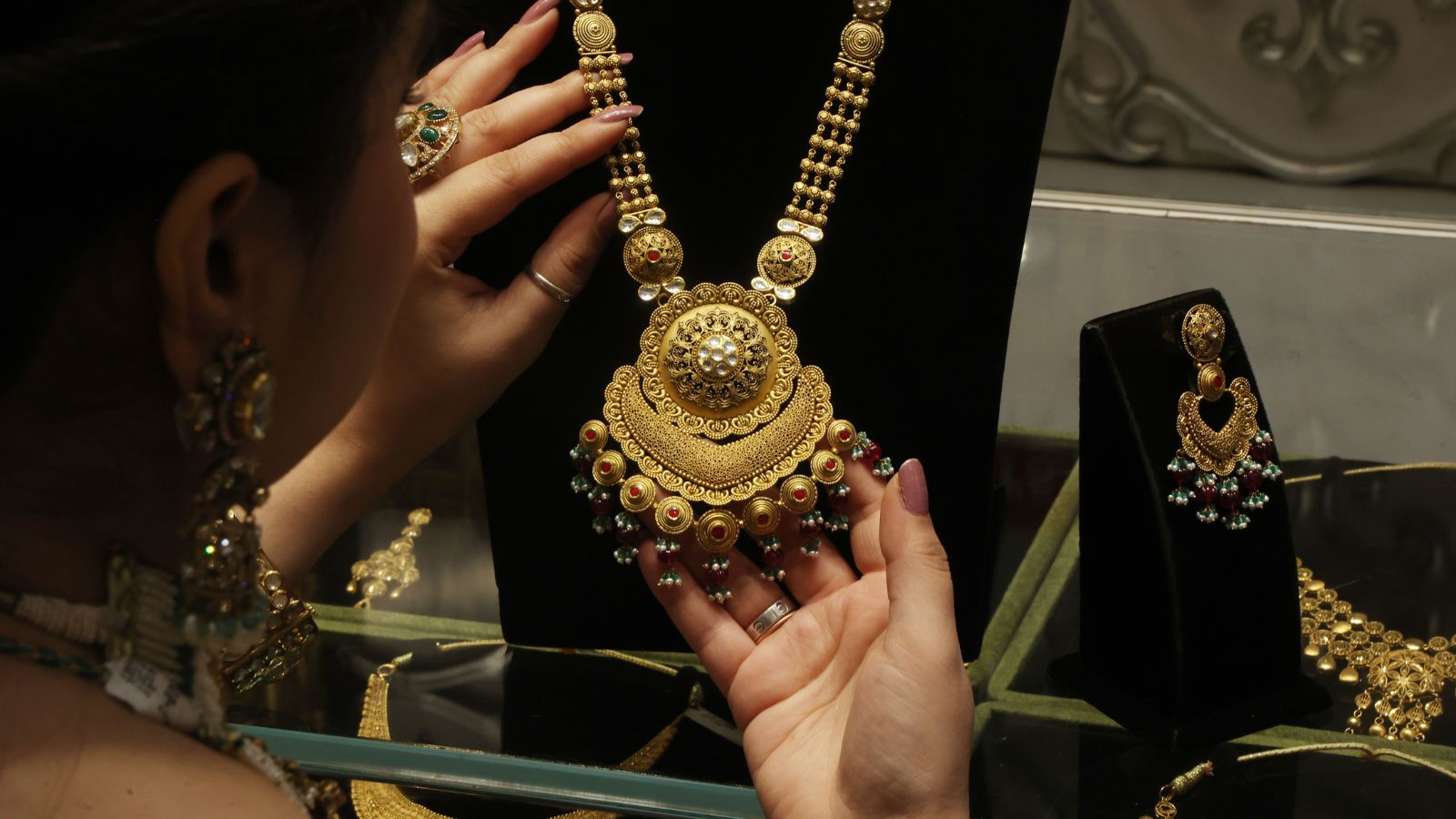
A widow's story highlights the struggle for control over one's body, as jewelry is sometimes forcibly removed when a woman is widowed, marking loss and grief publicly.
When a woman in India gets married, she wears jewelry to show that she is married. But when she loses her husband, the jewelry is sometimes taken away by others. This can make the woman feel sad and like she doesn't belong. Some women stand up and say that the jewelry should only be taken away if the woman herself wants it to be taken away.
Analysis
Tradition and Tradition's Shadow
In many Indian weddings, jewelry is worn as a declaration of status and marriage. However, when a woman is widowed, the jewelry is often forcibly removed, marking loss and grief publicly. This practice is deeply rooted in tradition, but it also reflects a lack of respect for the widow's autonomy.
The Power of Jewelry
Jewelry is not just an adornment; it is a declaration of status and marriage. In many Indian weddings, women wear jewelry to signify their marital status and the wealth of their families. However, when a woman is widowed, the jewelry is often forcibly removed, marking loss and grief publicly. This practice is deeply rooted in tradition, but it also reflects a lack of respect for the widow's autonomy.
The Widow's Struggle
Maya aattya, a widow herself, stood up against the tradition of forcibly removing jewelry from widows. She refused to allow her niece's bangles to be broken, insisting that the jewelry should only be removed if the widow herself wished to remove it. This act of defiance highlights the struggle for control over one's body and the right to choose one's own appearance.
Widows' Stories
Other women have also shared their stories of violence disguised as ritual and control disguised as care. These stories reveal the harsh realities faced by widows in India, where jewelry is often forcibly removed, marking loss and grief publicly. The stories of these women serve as a reminder of the need to respect and empower widows, who often face discrimination and violence.
Key points
- Widows in India often have their jewelry forcibly removed when their husbands die.
- This practice reflects a lack of respect for the widow's autonomy.
- Maya aattya, a widow herself, stood up against this tradition and refused to allow her niece's jewelry to be taken away.
- Other women have shared their stories of violence and discrimination faced by widows in India.
- More education and awareness are needed to change the practice of forcibly removing jewelry from widows.
With more awareness and education, the practice of forcibly removing jewelry from widows can be changed, allowing them to choose how they want to present themselves.
Until more people understand and respect the right of widows to choose their own appearance, the practice of forcibly removing jewelry from widows will continue.