Where did Da Vinci's painting disappear for 250 years? (3 of 5)
This article, part three of a five-part series, details the 250-year disappearance and subsequent journey of Leonardo da Vinci's "Lady with an Ermine" painting, focusing on its protection from historical conflicts and Nazi confiscation.
Intelligence analysis by Gemini 2.5 Flash
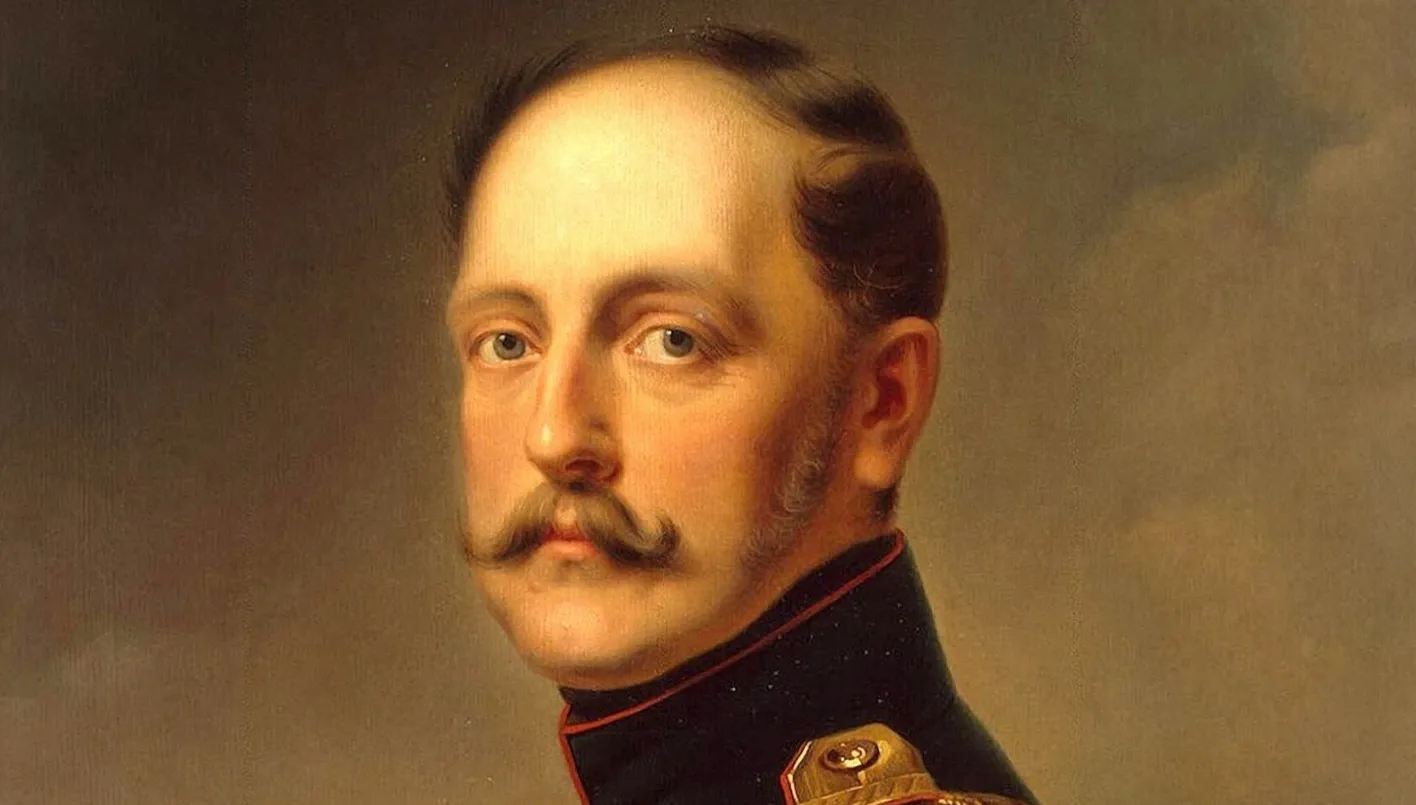
The story traces the fate of Da Vinci's "Lady with an Ermine" after it left the Duke of Milan's palace, following Prince Adam Jerzy Czartoryski's exile to Paris and his efforts to preserve the artwork. It highlights the painting's movements between Dresden and Krakow for safety, and the measures taken by the Czartoryski family to shield it from confiscation by Adolf Hitler's art agent…
Imagine a super old, super famous painting by a guy named Leonardo da Vinci, who also painted the Mona Lisa. This other painting, called "Lady with an Ermine," went missing for about 250 years! This story is like a detective tale, showing how a family, the Czartoryskis, kept it safe through big wars and even hid it from a bad guy named Hitler who wanted to steal all the art for his own museum. They moved it around and protected it like a precious treasure.
Analysis
Leonardo da Vinci's "Lady with an Ermine," often overshadowed by the "Mona Lisa," possesses a rich and dramatic history of its own, marked by periods of disappearance and meticulous protection. This installment of the series delves into the painting's fate following its initial acquisition and the political turmoil that forced its custodians into exile. The narrative emphasizes the dedication of the Czartoryski family to safeguarding this masterpiece against the backdrop of European wars and the systematic looting of art during the Nazi era.
Adam Jerzy Czartoryski
Prince Adam Jerzy Czartoryski, son of Princess Izabela Dorota Czartoryska, played a pivotal role in the painting's preservation. After a brief stay in London, he settled in Paris, purchasing the historic Hôtel Lambert in 1842, where he lived until his death at 91 in 1861. Despite his exile, Adam remained politically active, fiercely opposing Tsar Nicholas I and advocating for Poland's independence. He meticulously protected the Da Vinci painting, which he had gifted to his mother, ensuring its safety within the confines of his Parisian residence, away from the political instability of his homeland.
Dresden
Following Adam's death, his son, Augustin Joseph Czartoryski, inherited the painting. Recognizing the escalating dangers of the Franco-Prussian War (1870-1871), Augustin made the critical decision to move the artwork to Dresden, a German city and the capital of Saxony, for safekeeping. After the war, the painting was relocated to Krakow, only to be returned to Dresden under the protection of the "Royal Collection Administration" just before the outbreak of World War I. This period in Dresden proved significant, as it was there that German art historian Hans Posse first encountered the painting, recognizing its immense importance and beauty.
Hans Posse
Hans Posse, a German art historian, became a central figure in the painting's wartime history. Appointed as Adolf Hitler's personal art envoy in 1939, Posse was tasked with overseeing the organization responsible for confiscating artworks from German-occupied Poland. His mission was to acquire pieces for Hitler's planned "Führer Museum" in Linz, Austria. Posse executed his duties with chilling efficiency, confiscating numerous artworks from Dresden, Munich, and Vienna, meticulously cataloging them. However, the Czartoryski family, specifically Augustin Joseph Czartoryski and his mother Maria Ludwika Krasinska, took extraordinary measures, including securing their palace with sandbags and gas masks for guards, to protect the "Lady with an Ermine" from falling into Posse's hands, highlighting the desperate efforts to preserve cultural treasures during a period of widespread plunder.
Key points
- Leonardo da Vinci's "Lady with an Ermine" was lost for approximately 250 years before its rediscovery and subsequent journey.
- Prince Adam Jerzy Czartoryski, exiled in Paris, meticulously protected the painting at Hôtel Lambert, having received it from his mother.
- The painting was moved to Dresden and Krakow for safety during the Franco-Prussian War and prior to World War I.
- Hans Posse, Hitler's art envoy, was tasked with confiscating artworks from occupied Poland for the planned "Führer Museum."
- The Czartoryski family implemented extensive measures to protect the "Lady with an Ermine" from Nazi confiscation during World War II.