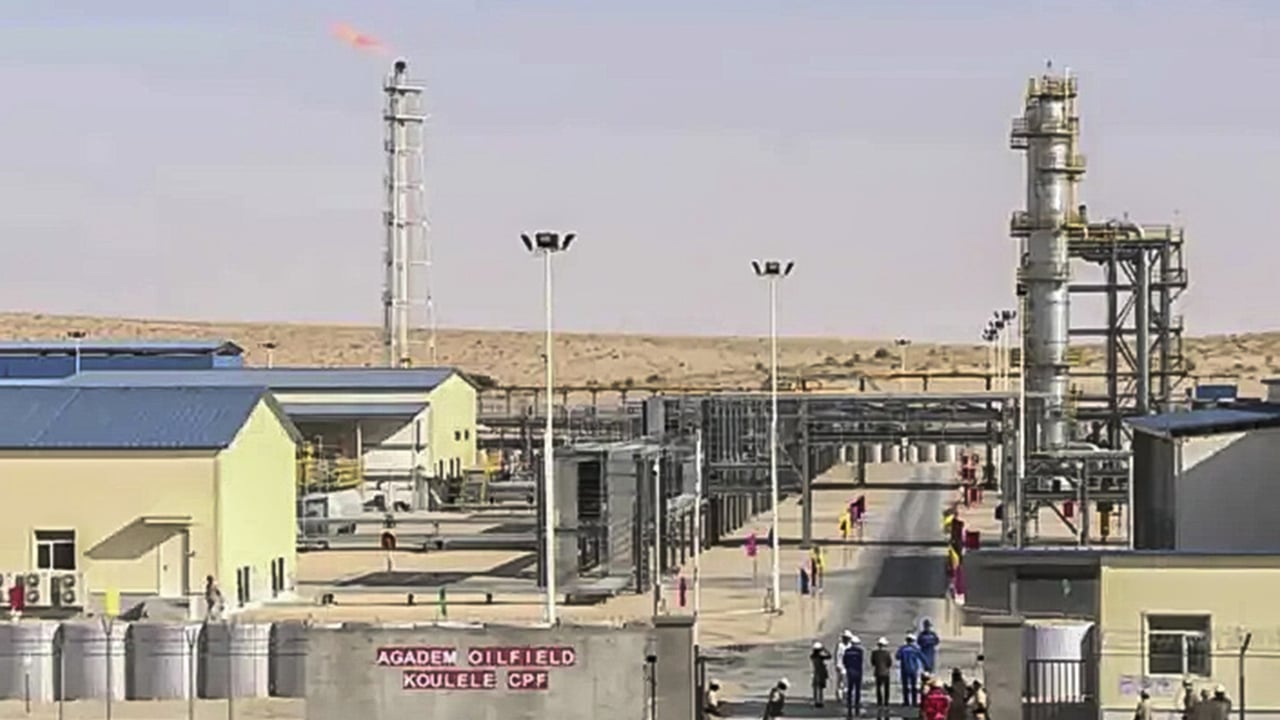
Why Aliko Dangote grants an additional delay for the IPO of his refinery
Aliko Dangote has extended the subscription period for the IPO of his Nigerian mega-refinery until October 27, aiming to allow more ordinary Nigerians and Africans to participate, despite already exceeding the $1.6 billion fundraising target.
Intelligence analysis by Gemini 2.5 Flash
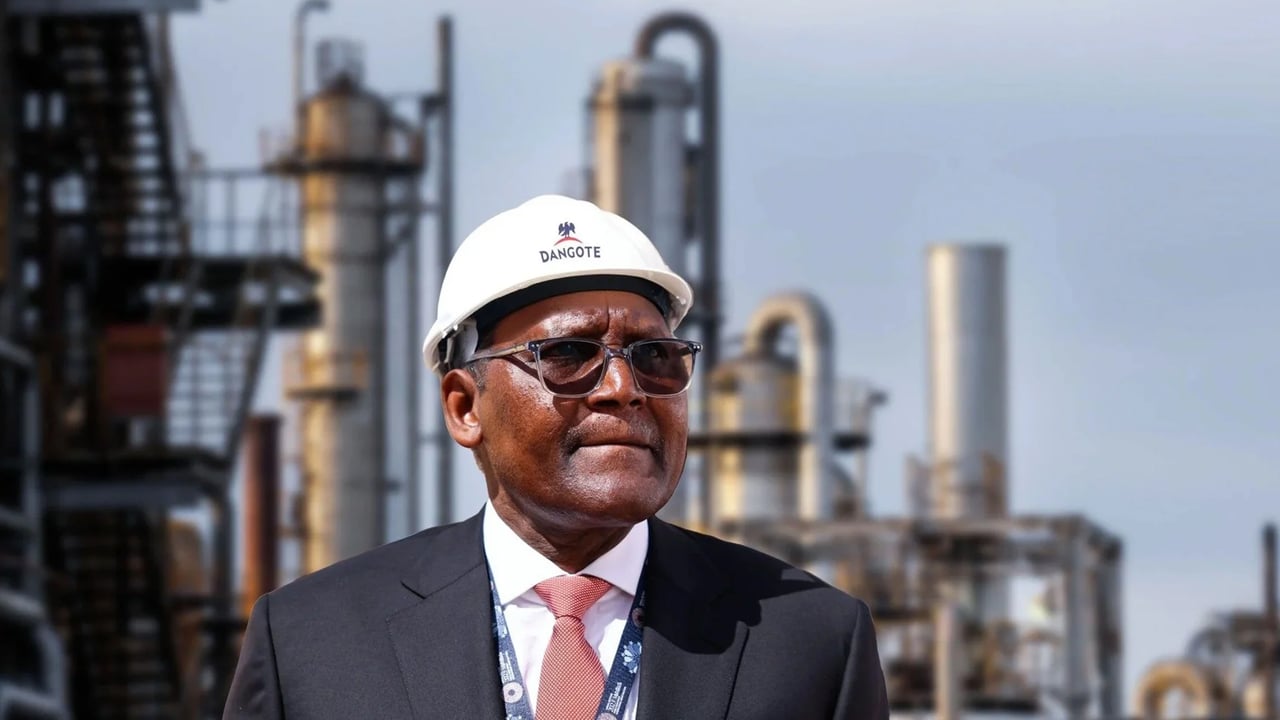
The Dangote Petroleum Refinery, set to become the world's largest with a planned capacity of 1.4 million barrels per day, has prolonged its initial public offering to broaden public ownership. Aliko Dangote emphasized that the extension prioritizes widespread participation among Africans over merely reaching the financial target, which has already been surpassed.
Imagine a super-big factory that turns gooey crude oil into the gasoline and airplane fuel we use. The owner, Aliko Dangote, wants to make it even bigger, so he's selling tiny pieces of ownership to people. Even though he's already sold more than enough pieces to get the money he needs, he's waiting longer so more regular people, especially in Africa, can buy a piece and feel like they own a part of this giant project.
Analysis
Dangote Petroleum Refinery
The Dangote Petroleum Refinery, located near Lagos, Nigeria, is a monumental project poised to significantly alter the energy landscape of Africa and beyond. Initially designed for 700,000 barrels per day, plans are underway to double this capacity to 1.4 million barrels per day, which would establish it as the world's largest single-train refinery. This expansion is critical for meeting the continent's growing energy demands and reducing reliance on imported refined products.
Beyond its sheer scale, the refinery has already demonstrated its operational impact by beginning fuel exports months ago. Notably, it has become a primary external supplier of aviation fuel to Europe, underscoring its global significance and the quality of its output. This export capability positions Nigeria as a key player in international energy markets, moving beyond crude oil exports to value-added refined products.
The IPO extension for the refinery is not merely a financial maneuver but a strategic decision by Aliko Dangote to foster broader public participation. Despite having already raised "more than three, four times" the targeted $1.6 billion, the focus remains on enabling a greater number of ordinary Nigerians and Africans to acquire a stake. This approach aims to distribute wealth and ownership, aligning the project's success with the prosperity of a wider demographic.
$1.6 Billion
The initial public offering for the Dangote Petroleum Refinery aimed to raise $1.6 billion, a substantial sum intended to support its ambitious expansion plans. This capital injection is crucial for doubling the refinery's processing capacity, a move that requires significant investment in infrastructure and technology. The successful oversubscription of the IPO, reportedly by three to four times the target, indicates strong investor confidence in the project's viability and future profitability.
However, Aliko Dangote's decision to extend the subscription deadline, despite the financial target being met, highlights a unique aspect of his business philosophy. He explicitly stated that the goal was not solely about the amount of money raised but about the "number of people" participating. This suggests a commitment to a more inclusive economic model, where large-scale industrial projects also serve as vehicles for broader public wealth creation.
This emphasis on widespread participation could set a precedent for future large-scale infrastructure projects in Africa. By allowing more ordinary citizens to invest, Dangote aims to create a sense of shared ownership and national pride in a facility that is vital for Nigeria's energy security and economic diversification. The $1.6 billion target, while financially significant, is thus framed within a larger social and economic objective.
Lamu
Aliko Dangote's vision extends beyond the Nigerian refinery, with plans to establish another significant oil refinery in East Africa. This new facility, projected to have a capacity of 700,000 barrels per day, is slated for construction in Lamu, on the Kenyan coast. The groundbreaking ceremony for this project took place in late September, signaling a concrete step towards its realization.
The establishment of a refinery in Lamu would represent a major strategic expansion of Dangote's energy empire across the African continent. It would address the energy needs of East Africa, potentially reducing the region's reliance on imported refined products and fostering greater energy independence. This move aligns with a broader continental strategy to develop robust industrial infrastructure.
This East African venture complements the existing Nigerian refinery, demonstrating a comprehensive approach to energy security and industrial development across diverse regions of Africa. The choice of Lamu, a coastal location, suggests strategic considerations for logistics, import of crude, and export of refined products, mirroring the advantages of the Lagos site.
Key points
- Dangote Petroleum Refinery's IPO subscription period extended until October 27.
- The extension aims to allow more ordinary Nigerians and Africans to participate in ownership.
- The IPO has already raised "more than three, four times" the target of $1.6 billion.
- The refinery plans to double its capacity to 1.4 million barrels per day, becoming the world's largest.
- It currently supplies Nigeria's domestic fuel demand and exports aviation fuel to Europe.
- Aliko Dangote also plans a 700,000 bpd refinery in Lamu, Kenya.
The extension of the IPO period could lead to broader public ownership of the Dangote refinery, fostering greater economic inclusion and allowing more Africans to benefit from the project's success. This widespread participation could also strengthen national pride and support for critical infrastructure development, potentially inspiring similar models for future large-scale ventures across the continent.
While the IPO has been oversubscribed, extending the period might introduce unforeseen administrative complexities or delays in the finalization of the share allocation. Furthermore, if the refinery's future performance does not meet public expectations, widespread ownership could lead to broader public dissatisfaction, despite the initial intent for inclusion.
Market signals
- OIL The planned doubling of the Dangote refinery's capacity to 1.4 million barrels per day implies a significant increase in demand for crude oil feedstock.
AI-generated analysis of potential market relevance. Not financial advice.