Why Iran Doesn't Want to Give Up Control of the Strait of Hormuz
Iran's decision to maintain control of the Strait of Hormuz has significant implications for global energy markets and regional security. The country's ability to increase costs for the US and other countries by disrupting oil shipments has been a key factor in the ongoin…
Intelligence analysis by Llama
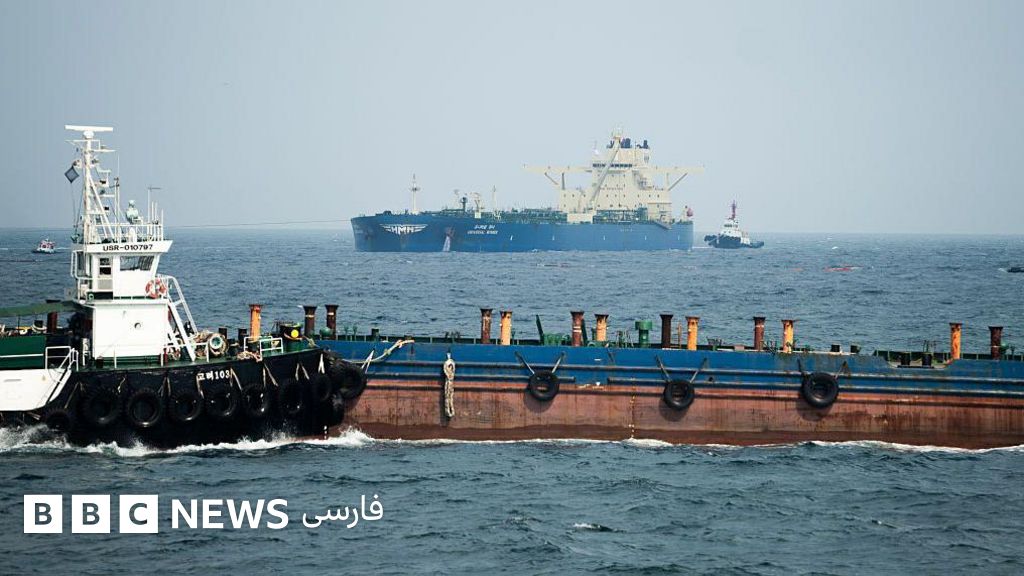
Iran's control of the Strait of Hormuz has become a key factor in the ongoing conflict with the US. The country's ability to increase costs for the US and other countries by disrupting oil shipments has been a key factor in the conflict. However, some analysts argue that Iran's focus on the strait may ultimately lead to a decrease in its strategic value.
Imagine you're playing a game of chess, and you have a special piece that can move really far. But if you use that piece too much, it might get taken away from you. That's kind of what's happening with Iran and the Strait of Hormuz. Iran has a special advantage because it controls the strait, but if it uses that advantage too much, it might lose it. It's a tricky situation.
Analysis
Iran's Strategic Gamble: Why Control of the Strait of Hormuz Matters
Iran's decision to maintain control of the Strait of Hormuz has significant implications for global energy markets and regional security. The country's ability to increase costs for the US and other countries by disrupting oil shipments has been a key factor in the ongoing conflict. However, some analysts argue that Iran's focus on the strait may ultimately lead to a decrease in its strategic value.
From the Iranian perspective, control of the Strait of Hormuz is not just about increasing costs for the US and other countries by disrupting oil shipments. It is also about changing the regional security dynamics and establishing Iran as a key player in the Middle East. By maintaining control of the strait, Iran can increase its bargaining power in any future negotiations with the US and other countries.
However, this strategy also carries significant risks for Iran. If the conflict continues for an extended period, Iran's economy may suffer significantly, leading to widespread discontent among the population. Additionally, the ongoing conflict may lead to a decrease in the strategic value of the Strait of Hormuz, as other countries invest in alternative routes for oil shipments.
In conclusion, Iran's control of the Strait of Hormuz is a complex issue with significant implications for global energy markets and regional security. While Iran's ability to increase costs for the US and other countries by disrupting oil shipments has been a key factor in the ongoing conflict, the country's focus on the strait may ultimately lead to a decrease in its strategic value.
The Economic Costs of the Conflict
The ongoing conflict between Iran and the US has significant economic implications for both countries. The US has imposed severe economic sanctions on Iran, which has led to a significant decline in the country's economy. Additionally, the conflict has led to a decrease in oil shipments through the Strait of Hormuz, which has increased costs for countries that rely on these shipments.
However, the economic costs of the conflict are not limited to the US and Iran. Other countries that rely on oil shipments through the Strait of Hormuz, such as China and Japan, are also affected by the conflict. These countries have invested heavily in alternative routes for oil shipments, which has reduced their dependence on the Strait of Hormuz.
The Strategic Value of the Strait of Hormuz
The Strait of Hormuz is a critical waterway for global energy markets, and its control has significant implications for regional security. The strait is the only route for oil shipments from the Persian Gulf to the Indian Ocean, and its closure would have a significant impact on global energy markets.
However, the strategic value of the Strait of Hormuz may decrease if the conflict continues for an extended period. Other countries may invest in alternative routes for oil shipments, which would reduce the importance of the strait. Additionally, the ongoing conflict may lead to a decrease in the strategic value of the Strait of Hormuz, as other countries become less dependent on the strait for their oil shipments.
In conclusion, the control of the Strait of Hormuz is a complex issue with significant implications for global energy markets and regional security. While Iran's ability to increase costs for the US and other countries by disrupting oil shipments has been a key factor in the ongoing conflict, the country's focus on the strait may ultimately lead to a decrease in its strategic value.
Key points
- Iran's control of the Strait of Hormuz has significant implications for global energy markets and regional security.
- The country's ability to increase costs for the US and other countries by disrupting oil shipments has been a key factor in the ongoing conflict.
- However, some analysts argue that Iran's focus on the strait may ultimately lead to a decrease in its strategic value.
- The ongoing conflict has significant economic implications for both the US and Iran, as well as other countries that rely on oil shipments through the strait.
- The control of the Strait of Hormuz is a complex issue with significant implications for global energy markets and regional security.
If the conflict is resolved peacefully, Iran's control of the Strait of Hormuz could lead to increased economic cooperation between Iran and other countries in the region. This could lead to increased trade and investment, which could help to boost Iran's economy and improve regional security.
If the conflict continues for an extended period, Iran's economy may suffer significantly, leading to widespread discontent among the population. Additionally, the ongoing conflict may lead to a decrease in the strategic value of the Strait of Hormuz, as other countries invest in alternative routes for oil shipments.
Market signals
- Oil The ongoing conflict in the Strait of Hormuz has increased costs for countries that rely on oil shipments through the strait, leading to higher oil prices.
AI-generated analysis of potential market relevance. Not financial advice.