Why Japan Said Goodbye to Traditional Flip Phones
Flip phones are becoming less common in Japan, with feature phone shipments falling by over 25% in the first half of fiscal year 2025.
Intelligence analysis by Qwen 2.5 (3B)
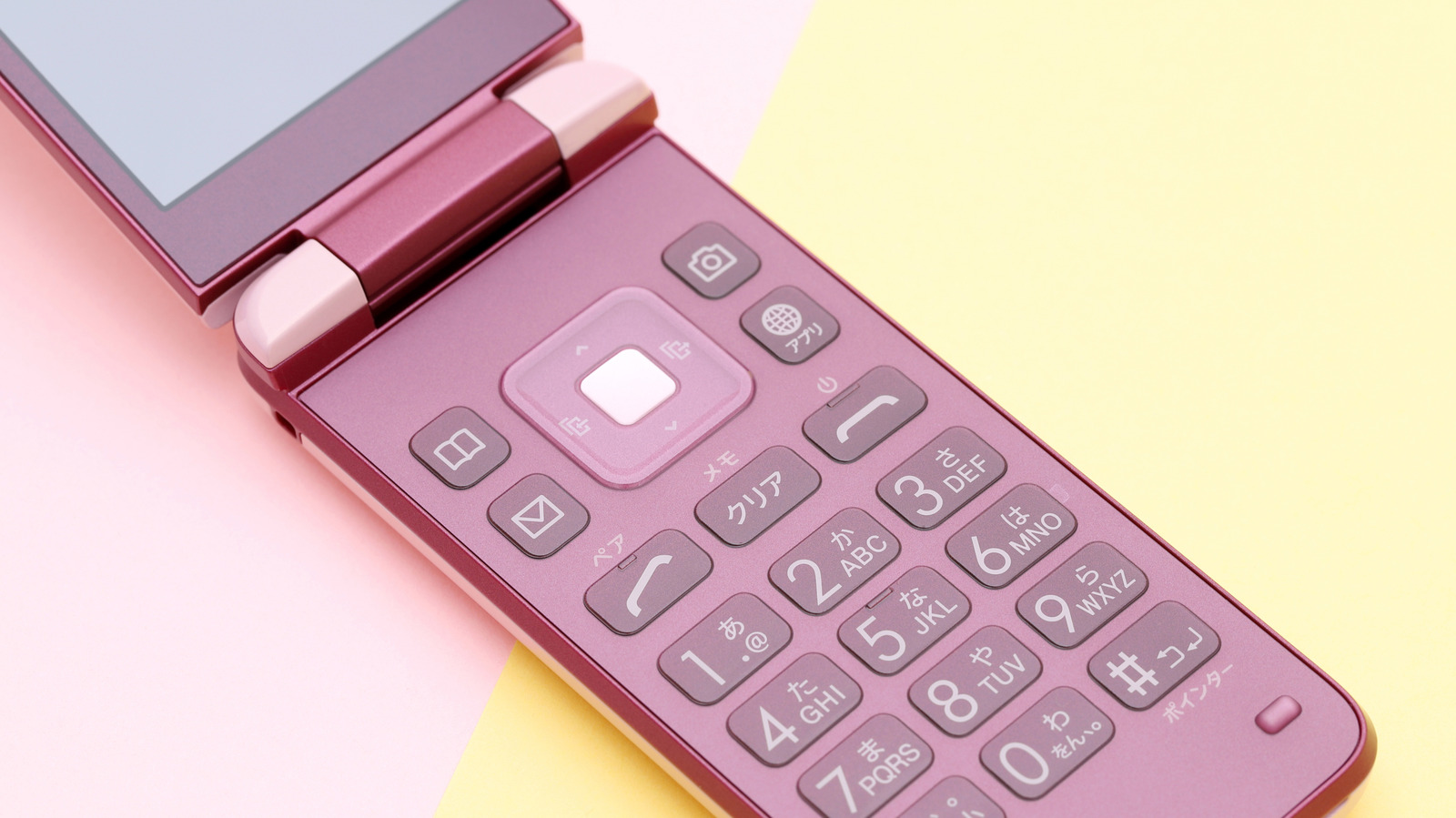
Japan's traditional flip phones are fading as smartphone usage increases, driven by factors like carrier service shutdowns and an aging population.
Japan used to have special phones called gara-kei that had buttons you could type on. But now, most people in Japan are using big phones with screens instead. This happened because the big phone companies stopped letting people use their special phones, and because more people are getting older and don't want to use the special phones anymore.
Analysis
The Rise and Fall of the Gara-Kei
Japan's feature phones, known as gara-kei, have a rich history dating back to the 1990s. These phones were popular due to their durable builds, tactile keyboards, and ability to connect to various services. The decline of these phones is attributed to several factors, including the end of 3G service by NTT Docomo in March 2025, which affected over 400 phone models. Additionally, the aging population in Japan, with 29% of the population aged 65 or above, has contributed to the shift towards smartphones. The article also mentions the promotion of in-store smartphone classrooms by Docomo to help older users adapt to smartphones.
Cultural and Technological Factors
The gara-kei phones were popular due to their unique features, such as the ability to connect to One-Seg TV broadcasts and share contact info via infrared transmitters. These phones also offered 3G support for lightweight applications, which was essential for everyday use in Japan. The decline of these phones is also linked to the rise of feature phones in the US, which have attempted to cash in on the nostalgia and Gen Z's desire for flip phones.
Future Outlook
As the gara-kei phones continue to decline, Docomo is promoting in-store smartphone classrooms to help older users adapt to smartphones. The company sees this as an opportunity to educate users on web browsing and gesture controls, while also addressing the potential negative impacts of increased smartphone usage, such as social media addiction and reliance on smartphones for internet connectivity.
Key points
- Japan's feature phone shipments fell by over 25% in the first half of fiscal year 2025.
- The end of 3G service by NTT Docomo in March 2025 contributed to the decline of gara-kei phones.
- The aging population in Japan has also played a role in the shift towards smartphones.
As Docomo promotes in-store smartphone classes, more people in Japan may learn to use smartphones, which could lead to better tech literacy and more people staying connected to the internet.
If older people in Japan continue to use smartphones, they might become more addicted to social media and spend too much time on their phones, which could be a problem.