Why Thousands of Indian Students Are Protesting in Delhi and What It Means for Modi's Government
Thousands of Indian students are protesting in Delhi, demanding changes to the country's education system. The protests, led by the All India Students Association (AISA), have been ongoing for several weeks and have gained momentum in recent days. The students are demandi…
Intelligence analysis by Llama
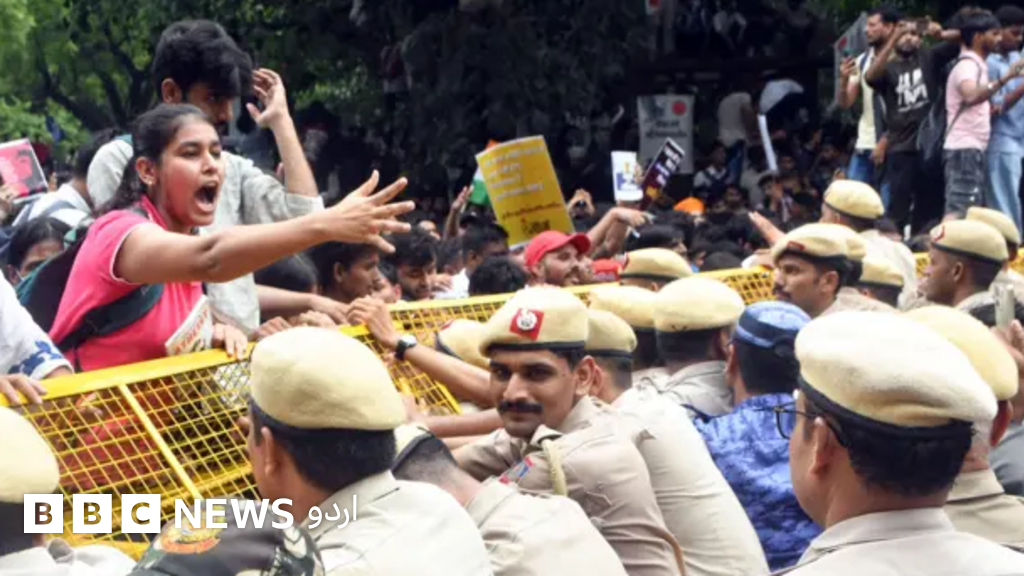
Thousands of Indian students are protesting in Delhi, demanding changes to the country's education system. The protests, led by the All India Students Association (AISA), have been ongoing for several weeks and have gained momentum in recent days. The students are demanding an end to the National Eligibility cum Entrance Test (NEET) and the introduction of a more inclusive and equitab…
Imagine you're a student in India, and you want to go to college. But the government has a test that you have to pass, and it's really hard. Some students are saying that this test is unfair, and that it's not giving them a chance to go to college. They're protesting in the streets, demanding that the government change the test and make education more accessible to everyone.
Analysis
A $60B Vote of Confidence
The protests in Delhi are a significant development in the country's education landscape. The students, led by the All India Students Association (AISA), are demanding an end to the National Eligibility cum Entrance Test (NEET) and the introduction of a more inclusive and equitable education system. The protests have been ongoing for several weeks and have gained momentum in recent days, with thousands of students participating in the demonstrations.
The students are demanding an end to the NEET, which they see as a barrier to education for many students. They argue that the test is biased and unfair, and that it disproportionately affects students from marginalized communities. The students are also demanding the introduction of a more inclusive and equitable education system, which would provide equal opportunities for all students, regardless of their background or socio-economic status.
The protests have been met with resistance from the government, which has accused the students of being violent and disruptive. However, the students argue that their protests are peaceful and that they are simply exercising their right to free speech and assembly.
The implications of the protests are significant, as they reflect the growing frustration among young people in India who feel that the education system is not serving their needs. The protests also highlight the deep-seated issues with the education system, which is seen as being inaccessible and discriminatory towards certain groups.
Why Cursor?
The protests in Delhi are a symptom of a larger problem in India's education system. The system is seen as being inaccessible and discriminatory towards certain groups, and the protests reflect the growing frustration among young people who feel that the system is not serving their needs.
The students are demanding an end to the NEET, which they see as a barrier to education for many students. They argue that the test is biased and unfair, and that it disproportionately affects students from marginalized communities. The students are also demanding the introduction of a more inclusive and equitable education system, which would provide equal opportunities for all students, regardless of their background or socio-economic status.
The implications of the protests are significant, as they reflect the growing frustration among young people in India who feel that the education system is not serving their needs. The protests also highlight the deep-seated issues with the education system, which is seen as being inaccessible and discriminatory towards certain groups.
The Road Ahead
The protests in Delhi are a significant development in the country's education landscape. The students, led by the All India Students Association (AISA), are demanding an end to the National Eligibility cum Entrance Test (NEET) and the introduction of a more inclusive and equitable education system. The protests have been ongoing for several weeks and have gained momentum in recent days, with thousands of students participating in the demonstrations.
The students are demanding an end to the NEET, which they see as a barrier to education for many students. They argue that the test is biased and unfair, and that it disproportionately affects students from marginalized communities. The students are also demanding the introduction of a more inclusive and equitable education system, which would provide equal opportunities for all students, regardless of their background or socio-economic status.
The implications of the protests are significant, as they reflect the growing frustration among young people in India who feel that the education system is not serving their needs. The protests also highlight the deep-seated issues with the education system, which is seen as being inaccessible and discriminatory towards certain groups.
Key points
- Thousands of Indian students are protesting in Delhi, demanding changes to the country's education system.
- The protests, led by the All India Students Association (AISA), have been ongoing for several weeks and have gained momentum in recent days.
- The students are demanding an end to the National Eligibility cum Entrance Test (NEET) and the introduction of a more inclusive and equitable education system.
- The protests reflect the growing frustration among young people in India who feel that the education system is not serving their needs.
- The implications of the protests are significant, as they highlight the deep-seated issues with the education system, which is seen as being inaccessible and discriminatory towards certain groups.
The protests in Delhi could lead to significant changes in the education system, making it more inclusive and equitable for all students. The government may be forced to reconsider the National Eligibility cum Entrance Test (NEET) and introduce a more comprehensive and fair education system.
The protests in Delhi could lead to further polarization and violence, with the government and students engaging in a cycle of confrontation. The protests may also lead to a backlash against the students, with the government cracking down on their demands and freedoms.