Why Uganda seems to be winning the battle against Ebola as virus spreads in DR Congo
Uganda successfully contained an Ebola outbreak with only 20 cases and two deaths, while DR Congo's concurrent outbreak became the second-worst on record with over 1,500 fatalities, highlighting contrasting public health responses.
Intelligence analysis by Gemini 2.5 Flash
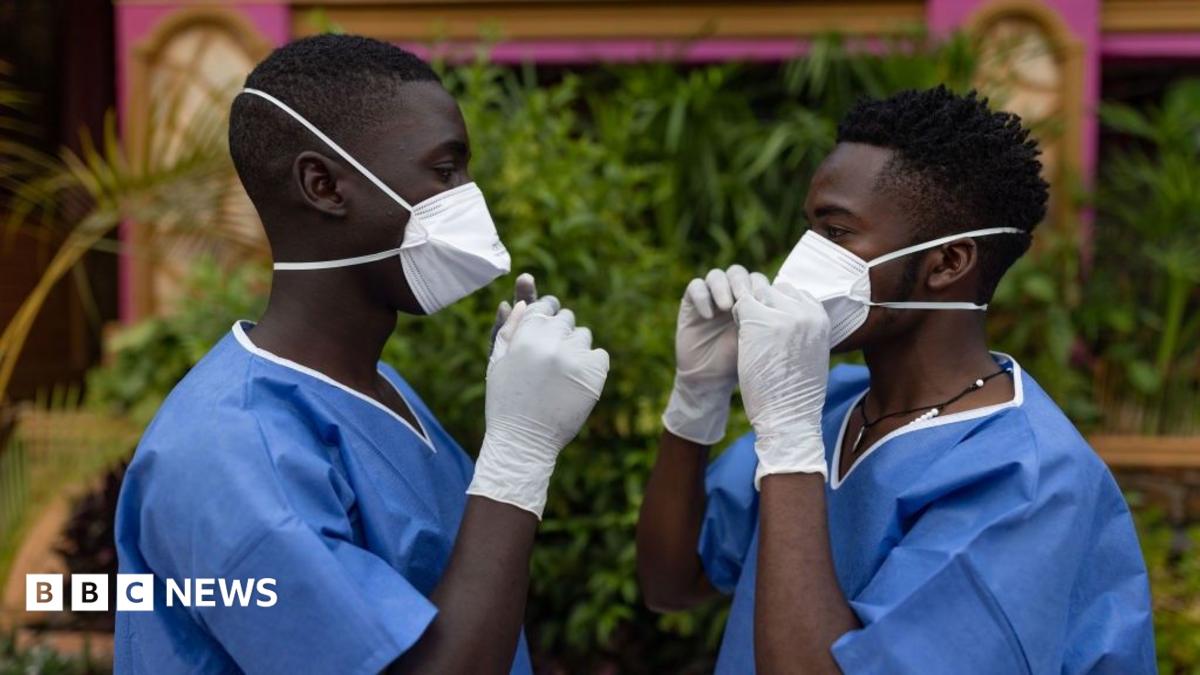
Uganda's effective containment of Ebola is attributed to robust preparedness, rapid activation of treatment centers, and lessons learned from previous outbreaks. In contrast, DR Congo has struggled with an initially undetected spread, compounded by insecurity, logistical challenges, and population displacement, making surveillance and contact tracing exceedingly difficult.
Imagine a really bad flu spreading. Uganda quickly put up a strong fence and told everyone to be careful, so only a few people got sick. But in DR Congo, the flu snuck in without anyone noticing, and then it was hard to catch because of fighting and people moving around a lot, so many more got ill.
Analysis
Uganda's Proactive Containment Strategy
Uganda's remarkable success in containing its recent Ebola outbreak, limiting it to just 20 cases and two deaths, is not attributed to luck but to deliberate investment in preparedness. Health officials, including Dr. Kasonde Mwinga of the WHO, emphasize that prior experiences with Ebola outbreaks have equipped Uganda with crucial knowledge and infrastructure.
This preparedness was evident in the rapid activation of a specialist Ebola treatment center at Mulago hospital in Kampala, which had leftover medical supplies and a standby emergency medical team from a previous outbreak. This allowed the facility to be ready to receive patients within a single day, avoiding the need to start from scratch and enabling quick isolation of confirmed cases.
Furthermore, Uganda's authorities acted swiftly by closing the border with DR Congo once multiple cases were confirmed to be imported. Public compliance with prevention efforts and the direct referral of symptomatic individuals to treatment units, bypassing general hospitals, significantly reduced opportunities for community transmission, demonstrating the effectiveness of a well-coordinated and experienced response.
DR Congo's Uphill Battle Against Ebola
In stark contrast, the Democratic Republic of Congo has faced immense challenges, with its current Ebola outbreak becoming the second-worst on record, claiming over 1,500 lives. A significant hurdle was the initial undetected spread of the virus for weeks, as health officials were testing for common Ebola species rather than the rare Bundibugyo species responsible for this outbreak.
The ongoing insecurity in eastern DR Congo, particularly in provinces like Ituri, has severely hampered surveillance and contact tracing efforts. The presence of numerous armed groups, including the M23 rebels, and the displacement of millions of people create a volatile environment where tracking the virus's movement is incredibly difficult. Logistical bottlenecks and the recruitment of inexperienced staff further exacerbate these issues, leading to a reactive rather than proactive response.
Artisanal mining and extensive cross-border trade also contribute to the rapid spread of Ebola in DR Congo, as populations are constantly on the move, increasing the chances of transmission across wider areas. This complex interplay of conflict, displacement, and economic activity makes it challenging to implement effective public health measures, leaving health workers perpetually 'chasing' the disease rather than containing it.
Key Differentiators and Regional Implications
The contrasting outcomes in Uganda and DR Congo highlight critical differences in their approaches and operating environments. Uganda benefited from early knowledge of the outbreak, thanks to DR Congo's identification and publicization of cases, allowing it to implement surveillance mechanisms and rapid containment measures. Its history of dealing with Ebola also fostered a culture of preparedness and public awareness.
DR Congo, despite being the site where Ebola was first discovered, has been plagued by a confluence of factors that undermine its response capacity. The lack of initial detection, coupled with persistent insecurity and a highly mobile population, created a fertile ground for the virus to spread unchecked. While some rebel groups, like M23, claim successful containment in their areas, the broader picture remains grim due to systemic challenges.
Uganda's success offers a vital blueprint for other African nations on the importance of investing in public health infrastructure, learning from past outbreaks, and ensuring rapid, coordinated responses. However, DR Congo's ongoing struggle underscores the profound impact of conflict and instability on disease control, emphasizing that effective health interventions cannot exist in a vacuum and require broader peace and security to succeed.
Key points
- Uganda successfully contained an Ebola outbreak with only 20 cases and two deaths.
- DR Congo's concurrent outbreak became the second-worst on record, with over 1,500 official deaths.
- Uganda's success is attributed to preparedness, quick activation of treatment centers, and lessons from past outbreaks.
- DR Congo faced challenges including an undetected initial spread, insecurity, logistical issues, and population displacement.
- Cross-border movement and artisanal mining contribute to the spread risk in DR Congo.
Uganda's success provides a model for other African nations facing similar health crises, demonstrating that robust preparedness and rapid response can effectively mitigate severe outbreaks. This offers hope for future disease containment efforts across the continent.
The ongoing challenges in DR Congo, including insecurity and logistical hurdles, suggest that containing future outbreaks will remain difficult, posing a continuous risk of cross-border transmission and regional instability.


