'Wish Papa was here': The pain of long-distance parenting for S’pore’s foreign workers
Migrant workers in Singapore face emotional strain from long-distance parenting, with charities and dorm operators offering support programs.
Intelligence analysis by Qwen 2.5 (3B)
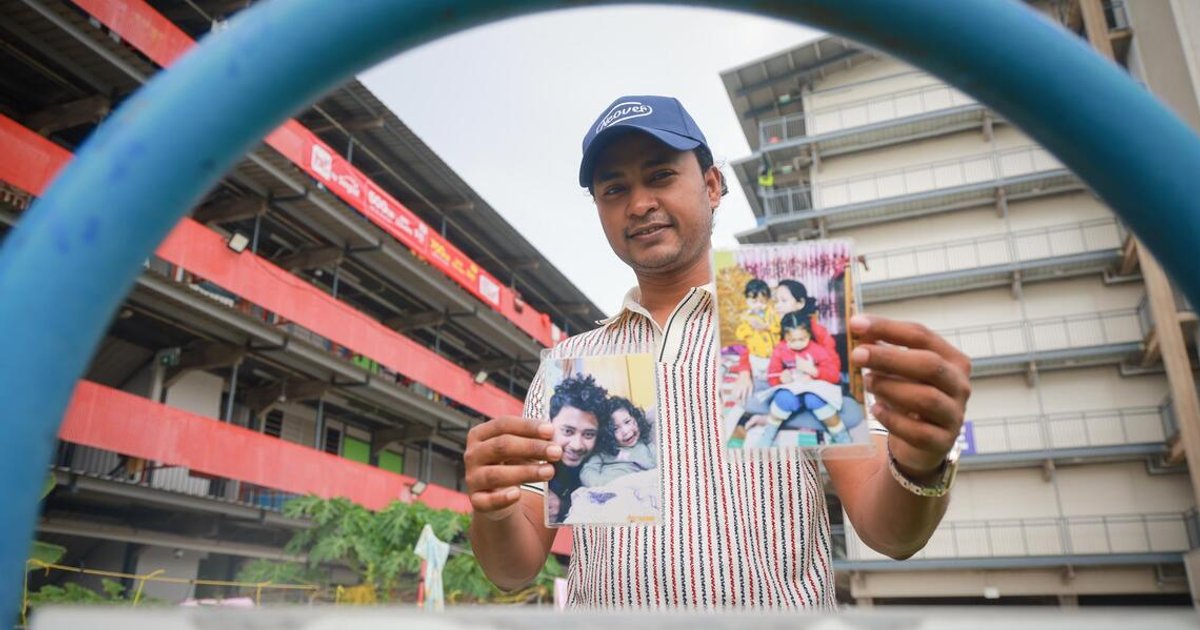
Migrant workers in Singapore struggle with long-distance parenting, leading to guilt and missing key moments with their children. Support programs are being offered to help them.
Migrant workers in Singapore have to be far away from their families to work, which makes it hard for them to be there for their children. They feel sad and guilty about it, but there are programs to help them stay connected and talk to their kids more often.
Analysis
Understanding Long-Distance Parenting for Migrant Workers
Long-distance parenting is a significant challenge for migrant workers in Singapore. The article discusses the emotional toll this can take on both fathers and mothers. Fathers like Sayeed Md Abu miss key moments with their children, such as their daughters' birthdays and school functions. Mothers like Evelyn Obillo and Marie Kretz Di Meglio also struggle with guilt and missing their children. The article mentions support programs like the I.C.A.N. Fathering Workshop and an online course for mothers, which aim to teach better communication and emotional support.
The Impact of Support Programs
Support programs have been initiated to help migrant workers with long-distance parenting. The I.C.A.N. Fathering Workshop, run by Centre for Fathering, has been successful in bringing together migrant worker fathers from different dormitories. The workshop emphasizes the importance of regular communication and shared activities to strengthen the bond between fathers and their children. The article highlights the positive impact of these programs, such as Sayeed's improved communication with his daughters and Pallikondaperumal Jeyasekar's realization of the importance of listening to his children's feelings.
Challenges and Solutions
Despite the availability of support programs, there are still challenges faced by migrant workers. The article mentions that some workers still feel guilty about leaving their families behind and struggle with the emotional distance. The support programs aim to address these issues by providing resources and training to help migrant workers cope with their situation. The article concludes by emphasizing the importance of understanding and supporting migrant workers, who contribute significantly to Singapore's workforce.
Key points
- Migrant workers in Singapore face emotional challenges from long-distance parenting
- Support programs like the I.C.A.N. Fathering Workshop are being offered to help them
- These programs aim to improve communication and emotional support between migrant workers and their children
- Some migrant workers still feel guilty and struggle with the emotional distance
- Understanding and supporting migrant workers is important for their well-being and their children's happiness
With the support of these programs, migrant workers can improve their communication with their children and reduce the guilt they feel about being far away. This can help their children feel less alone and more connected to their parents.
Even with support programs, some migrant workers may still struggle with the emotional distance and guilt they feel. It's important for society to continue supporting these workers and their families to help them cope with their situation.