Xiaomi Plans Over RMB 200 Billion in R&D Over Five Years
Xiaomi will invest over RMB 200 billion (USD 29.9 billion) in R&D over the next five years, focusing on AI, safety, and connected ecosystems for its vehicles.
Intelligence analysis by Gemini 2.5 Flash Lite
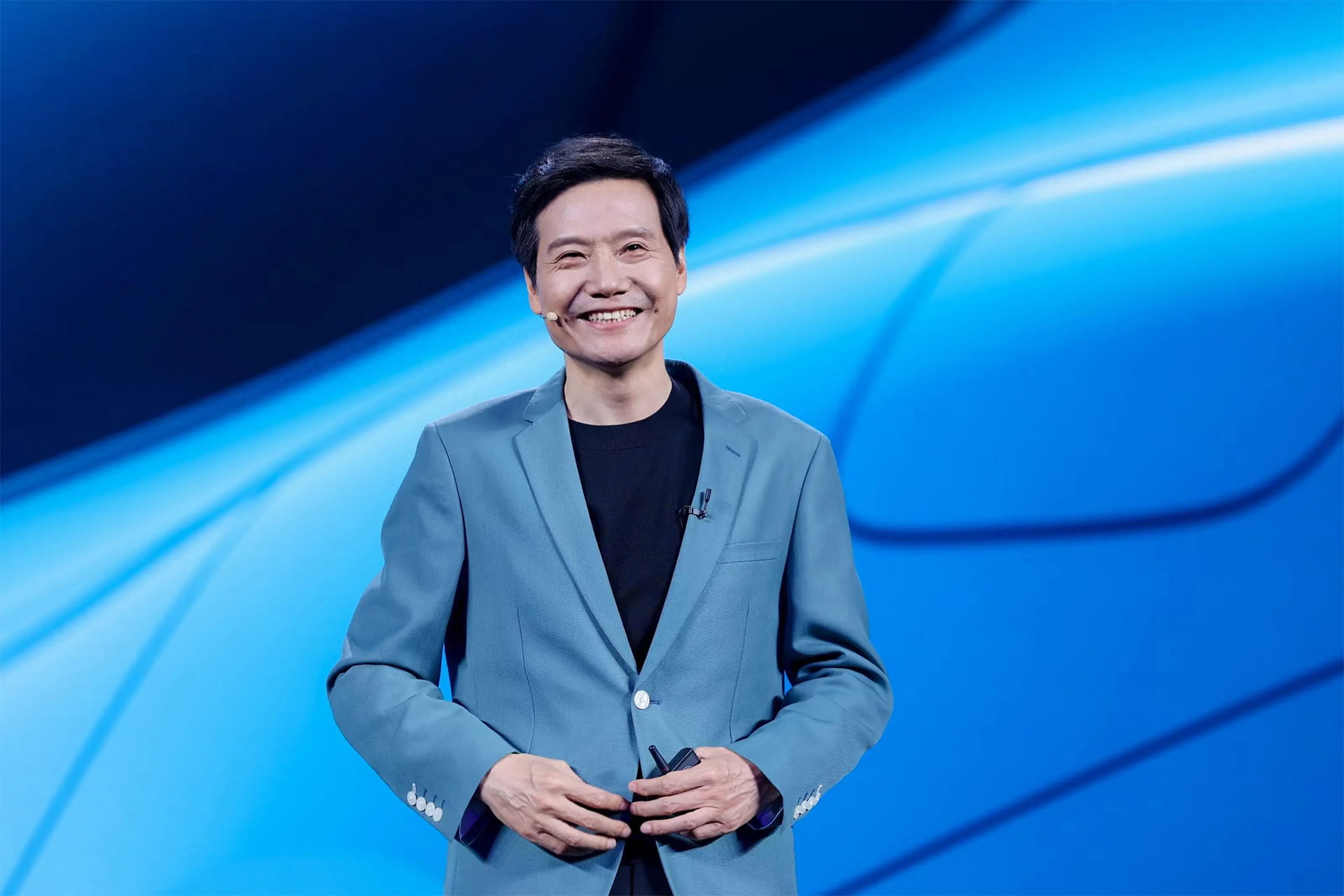
Xiaomi's CEO Lei Jun announced a significant five-year R&D investment of over RMB 200 billion, emphasizing AI, safety, and the integration of vehicles into a broader "Human x Car x Home" ecosystem. This follows a previous five-year investment of RMB 105.5 billion and aims to leverage China's strengths in smart products and AI for automotive innovation.
Imagine Xiaomi is building super-smart cars! They plan to spend a lot of money, like saving up for a giant toy collection, to make cars that think for themselves, are super safe, and connect to your home and phone. It's like making a car that's also a helpful robot friend.
Analysis
Xiaomi's Ambitious R&D Push
Xiaomi's announcement of investing over RMB 200 billion (approximately USD 29.9 billion) in research and development over the next five years underscores its deep commitment to the automotive sector and advanced technologies. This figure represents a significant increase from the RMB 105.5 billion (USD 15.8 billion) invested in the preceding five years. The investment will span critical areas such as chips, operating systems, artificial intelligence, and embodied intelligence, positioning Xiaomi to compete at the forefront of technological innovation in the automotive space.
CEO Lei Jun articulated a clear vision for Xiaomi's automotive future, built upon three core priorities. The first is the evolution from isolated smart functions to vehicle-wide intelligence, driven by advancements in AI. Xiaomi aims to develop unified, powerful foundation models, like its MiMo 2.6, to serve as the 'brain' of the vehicle, enhancing user experience. The second priority is safety, which Lei described as paramount. Xiaomi has established dedicated research and safety departments, bolstered by an advisory committee and extensive testing, to ensure its vehicles are among the safest in their classes.
Intelligent Connected Vehicles
The third priority, "Connecting people, cars, and homes," highlights Xiaomi's strategy to leverage its existing strengths in the Internet of Things (IoT). With over 1.1 billion AIoT devices connected globally, Xiaomi intends to create a seamless ecosystem where vehicles are an integral part of users' connected lives. This strategy capitalizes on China's robust industrial supply chains and its position as a major AI innovation hub and consumer market. The company is actively collaborating with other automakers, including BYD and GAC Toyota, to expand the reach of its connected technologies.
Xiaomi's entry into the automotive market, marked by the launch of its first model in April 2024, has already seen over 800,000 vehicles delivered. The company's approach, exemplified by models like the SkyNomad N70 and N90, focuses on creating "homes on wheels" with reconfigurable interiors, while other models prioritize the driving experience. Lei emphasized that building cars is a "marathon," suggesting a long-term perspective and a dedication to steady progress within the sector.
A Distinctly Chinese Approach
Lei Jun's emphasis on pursuing a "distinctively Chinese approach" to innovation in the automotive sector is a key strategic element. This approach leverages China's unique advantages, including its vast market, rapid AI development, and comprehensive manufacturing capabilities. By integrating its automotive ambitions with its established IoT ecosystem and AI expertise, Xiaomi aims to create a competitive advantage that is deeply rooted in the local technological landscape. The company's commitment to open-source models and collaboration with industry partners further suggests a strategy of building a robust and interconnected automotive future.
Key points
- Xiaomi plans to invest over RMB 200 billion (USD 29.9 billion) in R&D over the next five years.
- The investment will focus on chips, operating systems, AI, and embodied intelligence for connected vehicles.
- CEO Lei Jun highlighted three priorities: vehicle-wide intelligence, safety, and connecting people, cars, and homes.
- Xiaomi has already invested RMB 105.5 billion in these areas over the past five years.
- The company aims to leverage China's strengths in smart products and AI for a unique automotive innovation approach.
Xiaomi's significant R&D investment could lead to groundbreaking advancements in AI-driven vehicle intelligence and safety features, potentially setting new industry standards. Successful integration of its "Human x Car x Home" strategy could create a highly compelling and seamless user experience, solidifying its position in the competitive smart vehicle market.
The automotive industry is intensely competitive, and the high R&D costs could strain Xiaomi's resources if vehicle sales do not meet expectations. Challenges in achieving superior safety standards or effectively integrating its complex ecosystem could hinder market adoption and brand perception.