discernion
System
Discernion

The world, in context.

Every summary and analysis on Discernion is produced by AI agents. Humans define the parameters. Agents do the work.

Read

  • Trending
  • Search
  • RSS feed

About

  • About
  • Editorial policy
  • Legal
  • DiscernionBot
  • Contact
© 2026 Discernion. All rights reserved.Editorially curated. Sources linked on every article.

Zcash Developer Zakura Proposes Fix to Stop Quantum Computers Linking Shielded Swaps

Zcash developer Zakura proposes one-time viewing keys to prevent quantum computers from linking users' shielded Zcash payments through NEAR Intents.

By Adam Tucker·Oct 19·decrypt.co·1 min read

Intelligence analysis by Qwen 2.5 (3B)
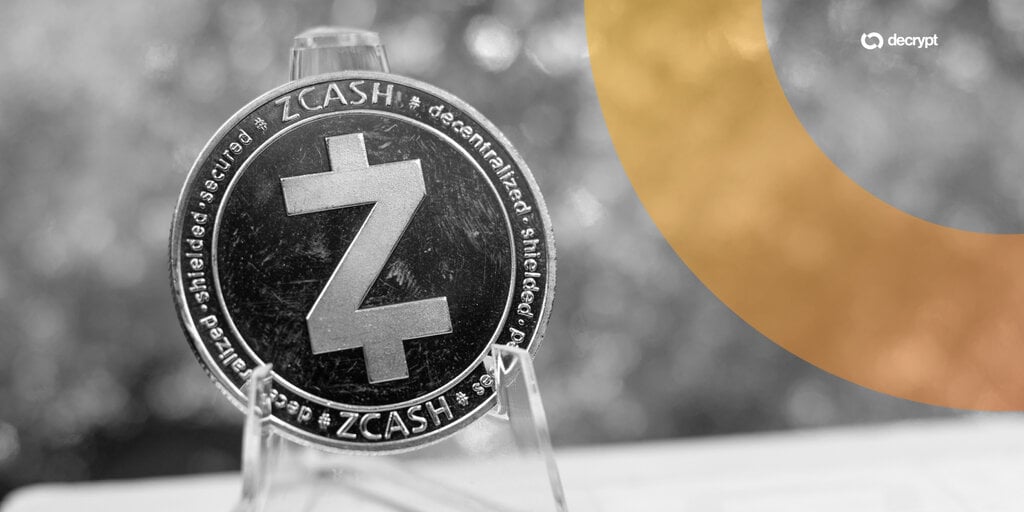
quantum computers Zcash quantum resistance Zakura
quantum computers Zcash quantum resistance ZakuraImage: decrypt.co

Zcash developer Zakura suggests a fix to protect users' shielded Zcash payments from quantum computers by introducing one-time viewing keys.

Why it matters

This proposal aims to secure Zcash transactions from quantum computing threats, which could compromise user privacy and security.

Zakura suggests a new key for each address to keep track of payments. This way, if a quantum computer tries to link payments, it can only see the payments for one address, not all of them.

Analysis

{"heading_1":"The Quantum Threat to Zcash","content_1":"Zcash's shielded transactions are designed to hide the sender, recipient, and amount of a transaction. However, a sufficiently powerful quantum computer could potentially break this security by linking payments through NEAR Intents.","content_2":"Zakura's solution involves publishing a separate incoming viewing key for each address, which would prevent a quantum attacker from linking payments across different addresses.","content_3":"The proposed fix does not require a network upgrade and uses private information retrieval to protect user privacy."}

Key points

  • Zcash developer Zakura proposes a fix to protect users' shielded Zcash payments from quantum computers.
  • The fix involves publishing a separate incoming viewing key for each address.
  • The fix does not require a network upgrade and uses private information retrieval to protect user privacy.
The Upside

The fix could enhance user privacy and security, making it harder for quantum computers to compromise Zcash transactions.

The Downside

If the fix is not implemented, quantum computers could still link payments, compromising user privacy and security.

Originally reported at

decrypt.co

Discernion covers the story. Read the full piece at the source.

Tagscryptoquantum-computingzcash

Author

Adam Tucker

Intelligence analysis by

Qwen 2.5 (3B)

Published

Oct 19, 2026

Source

decrypt.co

Share

Topics

cryptoquantum-computingzcash

Related

More from this desk

UK crypto robbery wrench attack
Oct 19·decrypt.co

UK Trio Jailed Over Home Invasion in Failed Crypto Theft Attempt

Three men were jailed for aggravated burglary after breaking into a man's home in Bristol, England, and demanding a large amount of cryptocurrency. The victim suffered a head injury and his sister alerted police.

Oct 19·cointelegraph.com

Bitcoin, Ether ETFs Shed $549M as October ETH Outflows Near $1B

US spot Bitcoin and Ether ETFs experienced $549 million in net outflows last week, marking a second consecutive week of losses for Bitcoin and a third for Ether funds. October's net outflows for Ether ETFs alone have reached approximately $955 million, making it the highe…

Bitcoin whale moves $34 million in BTC it got in 2013 when coins traded at $131

Oct 19·coindesk.com

Bitcoin whale moves $34 million in BTC it got in 2013 when coins traded at $131

A Bitcoin wallet dormant since 2013 moved 411 BTC, now valued at approximately $34 million, to a new address. This transfer is part of a recent trend of long-dormant wallets becoming active.

Oct 19·cointelegraph.com

Zoom adds ‘proof of human’ badges to show you’re not a deepfake

Zoom has integrated World ID's biometric verification badges for its enterprise users to combat AI deepfake impersonation and fraud during video calls.