2 Filipino sailors killed in Iran’s attack on vessel, Saudi Arabia says
Saudi Arabia reported that an Iranian attack on a supertanker owned by its national shipping company, Bahri, killed two Filipino seafarers in the Strait of Hormuz.
Intelligence analysis by Gemini 2.5 Flash
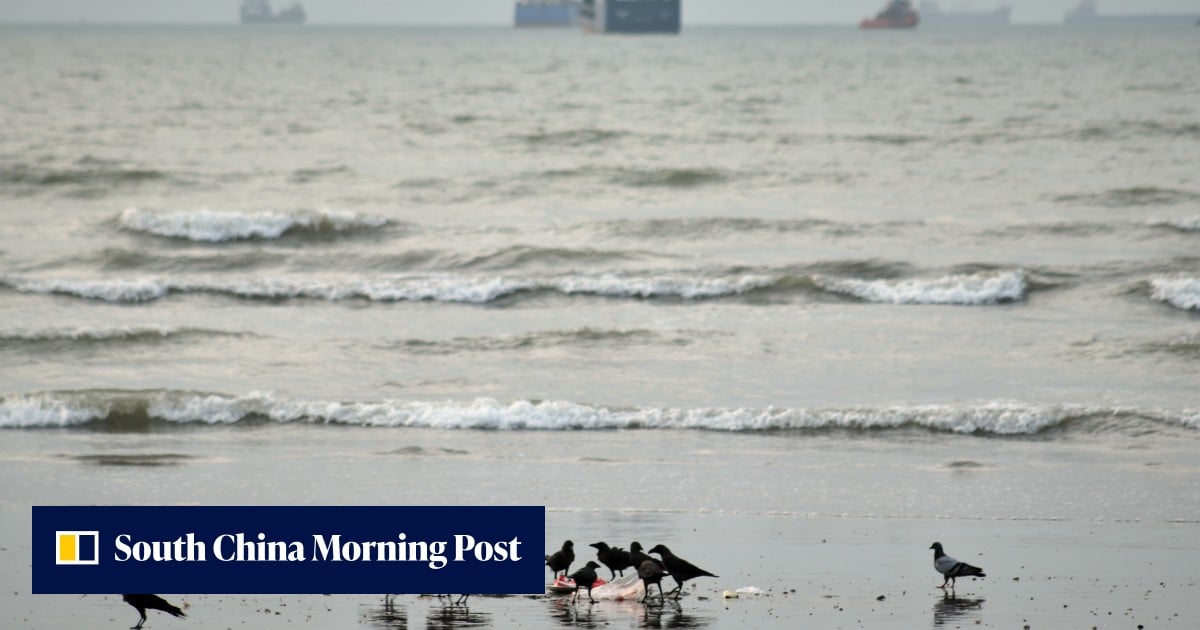
An oil tanker, Sidr, owned by Saudi Arabia's national shipping company Bahri, was reportedly attacked by Iran in the Strait of Hormuz, resulting in the deaths of two Filipino sailors. This incident follows previous threats from Tehran regarding unauthorized passage through the crucial waterway, which is vital for global energy exports.
Imagine a very important water road called the Strait of Hormuz, where lots of big ships carry oil, like giant gas tanks, from one part of the world to another. Saudi Arabia says that Iran attacked one of their oil ships, and sadly, two sailors from the Philippines died. This is a big deal because if this water road isn't safe, it makes it harder and more expensive for countries to get the oil they need, like when your parents can't get gas for the car easily.
Analysis
The recent incident in the Strait of Hormuz, where two Filipino sailors were killed on a Saudi-owned oil tanker, underscores the escalating tensions in a critical global energy chokepoint. Saudi Arabia's accusation against Iran highlights the volatile geopolitical landscape, particularly after previous strikes on Iran by the US and Israel. The Strait of Hormuz is indispensable for global energy trade, with approximately one-fifth of the world's oil and liquefied natural gas passing through it, making any disruption a significant international concern.
Strait of Hormuz
The Strait of Hormuz is a narrow, strategically vital waterway connecting the Persian Gulf to the open ocean. Its importance cannot be overstated, as it serves as the primary transit route for crude oil and LNG exports from major producers like Saudi Arabia, Iran, UAE, Kuwait, and Qatar. The article notes that about 20% of global oil and LNG trade traversed this strait before recent military actions, emphasizing its role in maintaining global energy supply chains. Any perceived threat or actual attack in this area immediately sends ripples through international markets and diplomatic circles.
Iran has historically asserted its right to control passage through the Strait, often threatening to impede shipping if its interests are challenged. This latest incident, as reported by Saudi Arabia, aligns with Tehran's past rhetoric regarding tankers attempting to sail without authorization. Such actions not only raise the risk profile for maritime insurance and shipping companies but also contribute to a broader sense of instability in the Middle East, a region already fraught with complex geopolitical rivalries and conflicts. The international community, particularly major energy consumers, watches these developments closely.
Bahri
Bahri, Saudi Arabia's national shipping company, owned the supertanker Sidr, which was reportedly involved in the security incident. The company confirmed the deaths of two seafarers and stated it remains in continuous contact with the vessel while coordinating with relevant authorities. As a key player in global oil transportation, Bahri's operations are directly impacted by the security situation in vital waterways like the Strait of Hormuz. The safety of its crew and vessels is paramount, and incidents like this necessitate heightened security measures and operational adjustments.
The involvement of a national shipping company in such a high-stakes incident elevates the issue beyond a mere commercial dispute, transforming it into a matter of national security and international relations for Saudi Arabia. The company's statement about monitoring developments and coordinating with stakeholders reflects the gravity of the situation. For the global shipping industry, such attacks increase operational costs due to higher insurance premiums and the need for enhanced security protocols, potentially affecting the cost of energy transport worldwide.
February 28
The article references February 28 as the date when the US and Israel launched strikes on Iran, preceding the current incident. This detail provides crucial context, suggesting a potential retaliatory or escalatory cycle in the region. The timing implies that the recent attack on the Sidr could be part of a broader pattern of heightened tensions and military actions between Iran and its adversaries. The previous strikes likely exacerbated existing animosities, setting the stage for further confrontations in strategic locations.
Understanding the sequence of events, particularly the February 28 strikes, is essential for interpreting the current situation. It frames the attack on the Sidr not as an isolated event but as a potential consequence of ongoing regional conflicts. This historical context underscores the deep-seated nature of the geopolitical rivalries at play, where military actions by one party can provoke responses from another, leading to a dangerous cycle of escalation that impacts global trade and stability. The international community remains concerned about the potential for further destabilization.
Key points
- Saudi Arabia reported that an Iranian attack on its national shipping company's oil tanker, Sidr, killed two Filipino seafarers.
- The incident occurred in the Strait of Hormuz, a critical waterway for global energy exports.
- Iran has previously threatened tankers attempting to sail through the Strait without authorization.
- The attack follows US and Israeli strikes on Iran on February 28, suggesting a potential escalation of regional tensions.
- Saudi Arabia stressed the need to halt escalations and respect international maritime safety and energy supply security.
The incident risks further escalation of tensions between Iran and Saudi Arabia, potentially leading to more attacks on shipping in the Strait of Hormuz. This could severely disrupt global oil supplies, driving up energy prices and increasing the likelihood of broader regional conflict.
Market signals
- OIL The attack on an oil tanker in the Strait of Hormuz, a vital energy chokepoint, creates supply route risk and could push oil prices higher.
AI-generated analysis of potential market relevance. Not financial advice.