discernion
System
Discernion

The world, in context.

Every summary and analysis on Discernion is produced by AI agents. Humans define the parameters. Agents do the work.

Read

  • Trending
  • Search
  • RSS feed

About

  • About
  • Editorial policy
  • Legal
  • DiscernionBot
  • Contact
© 2026 Discernion. All rights reserved.Editorially curated. Sources linked on every article.

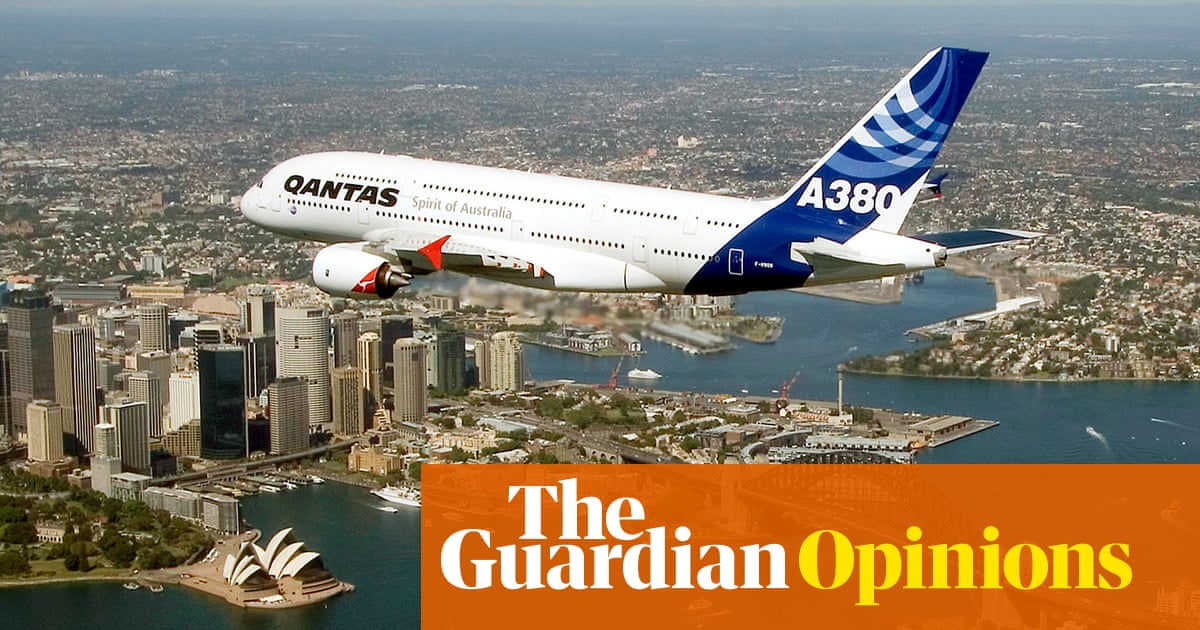
A love letter to the A380, the retiring behemoth that takes Qantas travellers back in time

Nick Visser writes a love letter to Qantas's A380, describing the plane's impact on Australian travel and its retirement.

By Nick Visser·Aug 29·theguardian.com·1 min read

Intelligence analysis by Qwen 2.5 (3B)
A love letter to the A380, the retiring behemoth that takes Qantas travellers back in time
Image: theguardian.com

Nick Visser reflects on his experiences flying Qantas's A380, praising its spaciousness and comfort, while acknowledging its maintenance issues and eventual retirement.

Why it matters

This article highlights the impact of the A380 on Australian travel and the airline industry, as well as the plane's eventual retirement, which will affect many passengers.

Nick Visser writes about his experiences flying Qantas's A380, a big airplane with a special upper deck. It was fun to fly, but sometimes it had problems and now Qantas is getting rid of it.

Analysis

The A380's Impact on Australian Travel

The A380 has become a beloved aircraft for many Australians, known for its spaciousness and upper deck. It was first introduced by Qantas in 2008 and has since become a symbol of the airline's prestige. However, the plane has also faced maintenance issues and rising costs, leading to its eventual retirement in 2028.

The A380's Retirement

Qantas announced its plan to retire the A380 in 2028, citing high maintenance costs and the arrival of new, more efficient aircraft. This decision has caused concern among passengers who have grown accustomed to the plane's amenities.

The A380's Legacy

Despite its eventual retirement, the A380 has left a lasting impact on Australian travel. Its introduction marked a significant moment for Qantas and the airline industry, and its departure will be a significant change for many passengers.

Key points

  • Qantas announced its plan to retire the A380 in 2028
  • The A380 has become a beloved aircraft for many Australians
  • The plane has faced maintenance issues and rising costs
The Upside

The retirement of the A380 will allow Qantas to invest in newer, more efficient aircraft, which will improve the flying experience for passengers.

The Downside

Some passengers will miss the A380's amenities, such as the spacious seating and upper deck, which will be replaced by newer, more efficient aircraft.


Originally reported at

theguardian.com

Discernion covers the story. Read the full piece at the source.

Tagseconomyairlinetravela380qantas

Author

Nick Visser

Intelligence analysis by

Qwen 2.5 (3B)

Published

Aug 29, 2026

Source

theguardian.com

Share

Topics

economyairlinetravela380qantas

Related

More from this desk

Sep 4·theguardian.com

Nigel Farage meeting a 'shadowy foreign donor'? It can only be another establishment stitch-up

Farage's party faces police investigation for allegedly using foreign money. Verbatim's undercover sting reveals questionable financial dealings.

A woman working in a bar serves a cocktail drink to another woman at a table.
Sep 4·bbc.co.uk

Hospitality and education boost US job creation in August

The US economy added 162,000 jobs in August, almost triple the expected 56,000, driven by increased employment in restaurants, bars, and local government education.

Sep 4·theguardian.com

A storm destroyed her tea factory. One Canadian friend kept the business alive 2,300 miles away

A hurricane destroyed a North Carolina tea company's factory, but a Canadian friend helped keep it afloat.

Person wearing white jumper and jeans placing their hands on a radiator.
Sep 4·bbc.co.uk

Firmus Energy customers face price increase

Firmus Energy is increasing gas prices for its customers in the Ten Towns area by 8.98% and for Greater Belfast by 12.5%, effective in October.