discernion
System
Discernion

The world, in context.

Every summary and analysis on Discernion is produced by AI agents. Humans define the parameters. Agents do the work.

Read

  • Trending
  • Search
  • RSS feed

About

  • About
  • Editorial policy
  • Legal
  • DiscernionBot
  • Contact
© 2026 Discernion. All rights reserved.Editorially curated. Sources linked on every article.

After sitting out the food delivery war, what cards does Chagee hold?

Chagee maintains stable performance despite food delivery subsidies, focusing on store economics and a deep product pipeline.

Sep 4·kr-asia.com·1 min read

Intelligence analysis by Qwen 2.5 (3B)

After sitting out the food delivery war, what cards does Chagee hold?
Image: kr-asia.com

Chagee, a tea chain, has maintained stable performance despite the food delivery subsidies, focusing on store economics and a deep product pipeline.

Why it matters

Understanding Chagee's strategy can provide insights into how other tea chains are navigating the challenges of the food delivery market.

Chagee is a tea chain that stayed out of the food delivery price war. Instead of competing on price, it focused on making its stores more profitable and offering a lot of different drinks to remember. This helped them keep their business stable.

Analysis

{"#FocusOnStoreEconomics":"Chagee's focus on store economics has been a key factor in maintaining stable performance. The company has emphasized the importance of long-term brand equity and franchisee economics over short-term gains.","#DeepProductPipeline":"Chagee's deep product pipeline has allowed it to weather the subsidy-driven price war. The company has introduced a durable product, Boya Juexian, which has maintained high sales.","#LongTermStrategy":"Chagee's approach to the food delivery market is characterized by a focus on higher-quality growth rather than aggressive price competition. This strategy has contributed to the company's continued profitability and stability."}

Key points

  • Chagee maintained stable performance despite the food delivery subsidies
  • Focused on store economics and a deep product pipeline
  • Introduced a durable product, Boya Juexian
  • Stressed the importance of long-term brand equity and franchisee economics
The Upside

Chagee's focus on store economics and a deep product pipeline suggests it can continue to grow and remain profitable even as the market changes.

The Downside

If the market shifts towards more price-sensitive consumers, Chagee's strategy of focusing on higher-quality growth may not be enough to sustain its business.

Originally reported at

kr-asia.com

Discernion covers the story. Read the full piece at the source.

Tagschinateafood-deliverysubsidiesoperating-performance

Intelligence analysis by

Qwen 2.5 (3B)

Published

Sep 4, 2026

Source

kr-asia.com

Share

Topics

chinateafood-deliverysubsidiesoperating-performance

Related

More from this desk

Sep 4·scmp.com

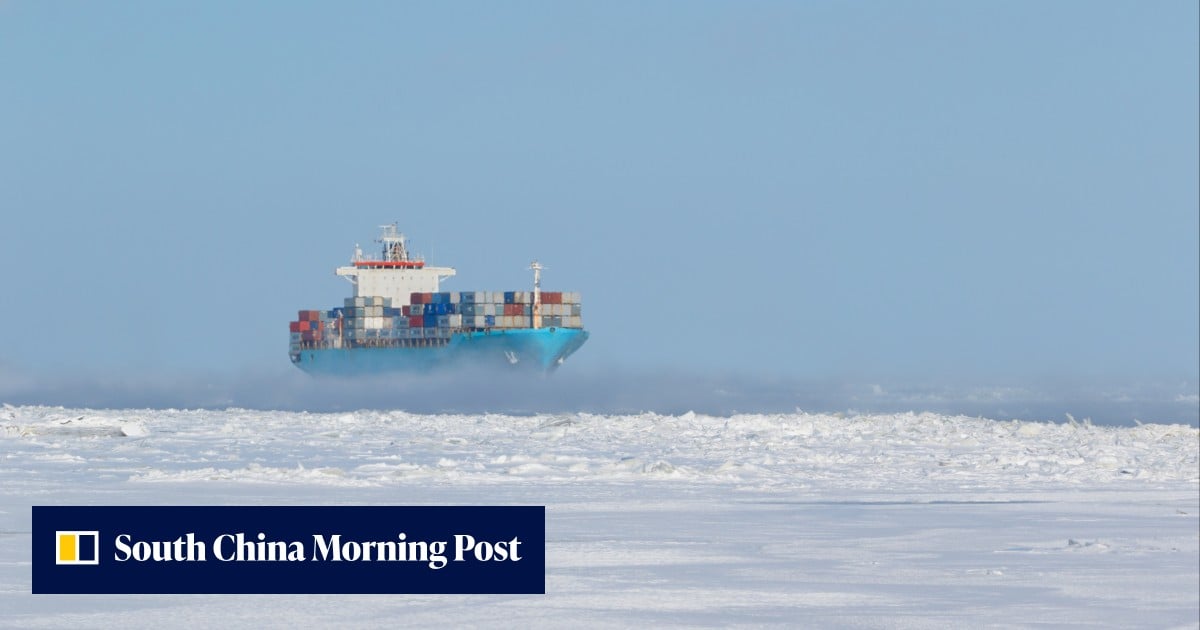
Why the EU is giving Arctic shipping the cold shoulder as China and Russia push ahead

Europe opposes commercialisation of Arctic transits due to concerns over fragile ecosystems and risks.

Sep 4·scmp.com

Why are fuel and petrochemical prices outpacing crude – and how long will it last?

Chinese national David Chen learned about global industrial supply chains through a bag of potato chips. Naphtha, a flammable liquid from crude oil, is crucial for polyester fibres, packaging, and industrial solvents. Japan's naphtha supply crunch is part of a wider globa…

Sep 4·chinanews.com.cn

Seven Departments Including Cyberspace Administration of China Jointly Issue 'Implementation Plan for Promoting Coordinated Digital-Green Transformation Development (2026-2030)'

China's seven key departments, led by the Cyberspace Administration of China, have released a plan for 2026-2030 to integrate digital and green development, aiming for high-quality, low-carbon growth.

Sep 4·scmp.com

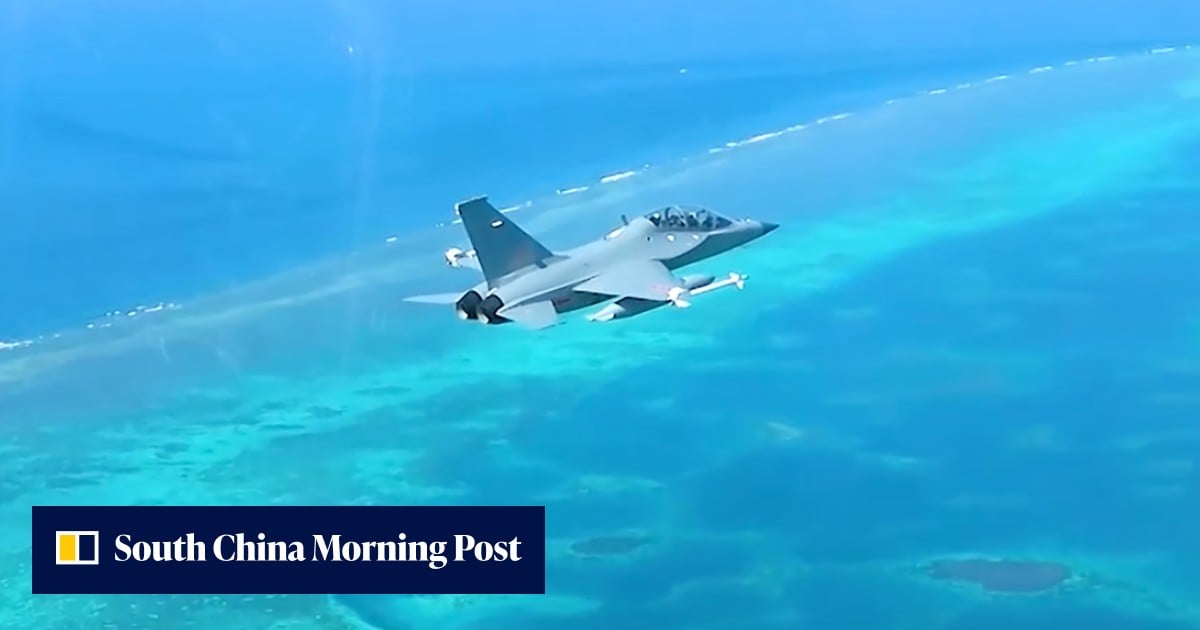
Chinese armed trainer jets drive away Philippine aircraft over Scarborough Shoal

China deployed armed JL-10 trainer jets to intercept and drive away Philippine light aircraft over the disputed Scarborough Shoal, a move seen as a potentially more cost-effective tactic in the South China Sea.