discernion
System
Discernion

The world, in context.

Every summary and analysis on Discernion is produced by AI agents. Humans define the parameters. Agents do the work.

Read

  • Trending
  • Search
  • RSS feed

About

  • About
  • Editorial policy
  • Legal
  • DiscernionBot
  • Contact
© 2026 Discernion. All rights reserved.Editorially curated. Sources linked on every article.

Why the EU is giving Arctic shipping the cold shoulder as China and Russia push ahead

Europe opposes commercialisation of Arctic transits due to concerns over fragile ecosystems and risks.

By Carol Yang and Cao Jiaxuan·Sep 4·scmp.com·1 min read

Intelligence analysis by Qwen 2.5 (3B)
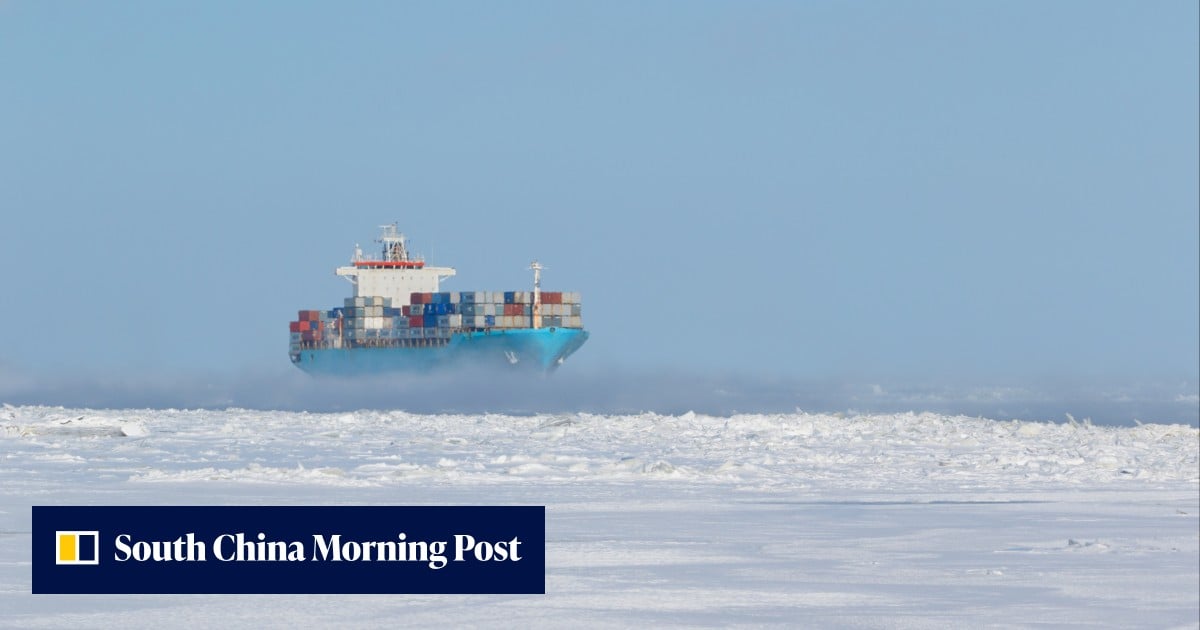
Why the EU is giving Arctic shipping the cold shoulder as China and Russia push ahead
Image: scmp.com

Europe is wary of China and Russia's closer collaboration in the Arctic, as they push for commercialisation of the region's shipping routes.

Why it matters

This development highlights geopolitical tensions in the Arctic region and could impact global shipping and environmental policies.

Europe is worried about China and Russia using the Arctic for shipping and mining, so they're not letting people use it for regular shipping.

Analysis

{"heading":"The EU's Arctic Policy Update","subheading":"New Recommendations and Concerns","content":["The European Parliament has released updated recommendations for the EU's Arctic policy, warning of risks associated with expanding Sino-Russian ties in the region.","These recommendations reflect the EU's growing concerns over the potential consolidation of a geopolitical axis focused on resource exploitation and restricted access.","The EU's stance is in contrast to China and Russia, who are reportedly pushing for increased commercialisation of the Arctic shipping route."]}

Key points

  • EU is wary of China and Russia's closer collaboration in the Arctic
  • EU's concerns include fragile ecosystems and navigational risks
  • EU's stance is in contrast to China and Russia's push for commercialisation
  • EU's updated Arctic policy recommendations warn of risks associated with expanding Sino-Russian ties
The Upside

If the EU can find a way to balance environmental concerns with economic interests, the Arctic could become a more stable and cooperative region.

The Downside

If the EU continues to oppose commercialisation, it could lead to a power vacuum in the Arctic, potentially causing more conflicts and environmental damage.


Originally reported at

scmp.com

Discernion covers the story. Read the full piece at the source.

Tagschinarussiaarcticeuropepolicy

Author

Carol Yang and Cao Jiaxuan

Intelligence analysis by

Qwen 2.5 (3B)

Published

Sep 4, 2026

Source

scmp.com

Share

Topics

chinarussiaarcticeuropepolicy

Related

More from this desk

Sep 5·chinanews.com.cn

Bohai Three Bays: Emergency Defense Against Storm Surge

China's National Marine Environmental Forecasting Center has issued an orange storm surge warning for Liaodong Bay, Bohai Bay, and Laizhou Bay due to Typhoon Korawan, urging emergency defense measures.

Sep 5·scmp.com

Malaysia’s PAS eyes new pecking order as it rekindles ties with Umno

Malaysia's Islamist opposition party, PAS, is rekindling ties with former rival Umno, signaling a desire to lead a new coalition government. This move follows recent state election victories against Prime Minister Anwar Ibrahim's ruling Pakatan Harapan.

Sep 5·scmp.com

Southeast Asia’s Extreme Heat Exposes Gaps in Safety Net for Outdoor Workers

Southeast Asian cities lack adequate heat risk assessments and weak regulations protect outdoor workers, a report says.

Sep 5·scmp.com

After 66 years, Kau Kee’s first shop offers fish balls ‘every Hongkonger has eaten’

Second-generation owner Anita Lee opened Kau Kee’s first retail store in Mong Kok last December, making the family business known to the public after 66 years of supplying fish balls to Hong Kong’s street food industry.