Algeria: How Tebboune Chose to Avoid Louisa Hanoune's Trial
Algeria's Minister of Education withdrew a defamation complaint against Louisa Hanoune, leader of the Workers' Party. This move, orchestrated at the highest levels, suggests executive fears of the vocal opposition figure.
Intelligence analysis by Gemini 2.5 Flash Lite
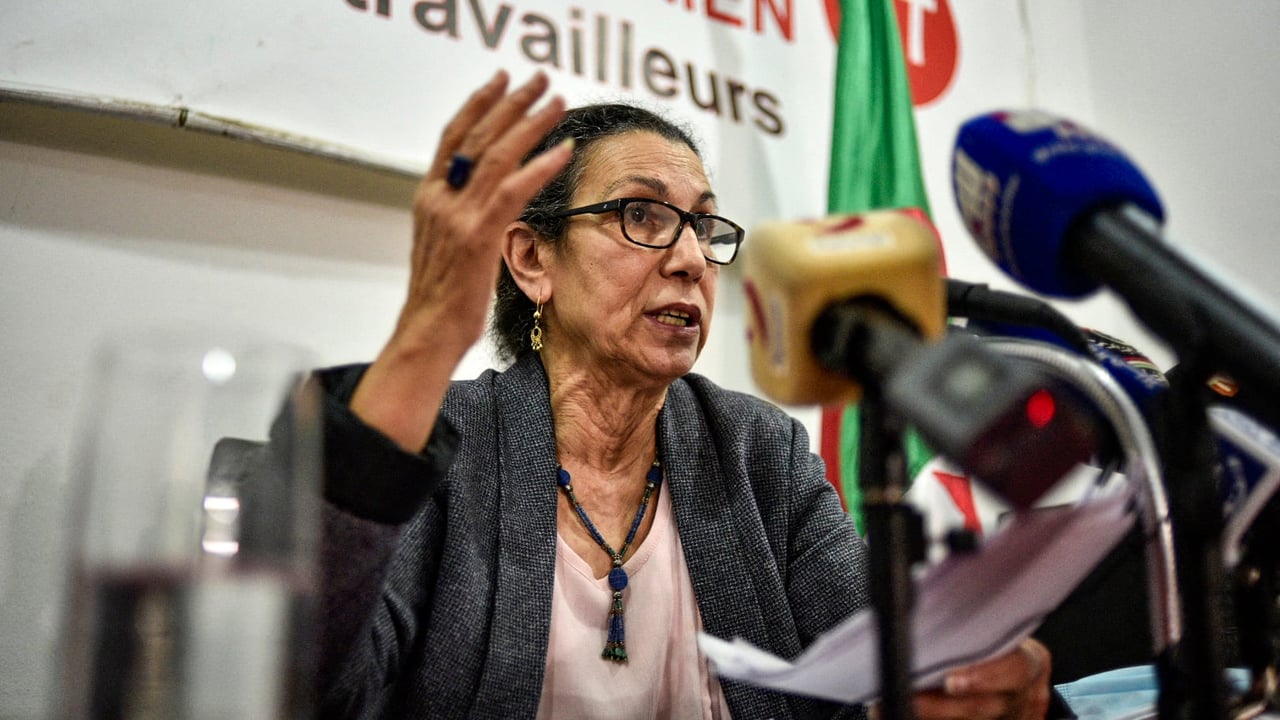
The planned defamation trial between the Minister of Education and Workers' Party leader Louisa Hanoune was unexpectedly canceled. This decision, made at the highest echelons of power, indicates a strategic move by the Algerian executive to avoid providing a political platform for Hanoune, a prominent and vocal opposition figure.
Imagine two people arguing, and one sues the other for saying mean things. The court was supposed to hear the case, but the person who sued decided to drop the lawsuit at the last minute. This might be because they didn't want the argument to become a big public show, especially if the person being sued is known for being very persuasive.
Analysis
A Calculated Retreat from the Courtroom
The Algerian judiciary was set to host a defamation trial on July 15th, pitting the Minister of National Education, Mohamed Seghir Saadaoui, against Louisa Hanoune, the formidable Secretary-General of the Workers' Party (PT). The minister had filed a complaint against Hanoune for defamation, a legal battle that promised to amplify Hanoune's voice and political platform. However, in a move that surprised many observers, the trial did not proceed as scheduled. This abrupt halt suggests a deliberate decision by the executive branch to de-escalate the situation and prevent the court from becoming a stage for political confrontation.
Executive Apprehension Towards a Virulent Opponent
The decision to withdraw the complaint appears to stem from a strategic calculation by President Abdelmadjid Tebboune's administration. Louisa Hanoune is a well-known and outspoken critic of the government, with a history of challenging the status quo and mobilizing public opinion. The prospect of her using the courtroom as a platform to air grievances, criticize government policies, and rally support was likely deemed a significant political risk. By opting to avoid the trial, the executive seems to have prioritized political stability and the containment of opposition influence over pursuing a legal case.
Navigating Political Minefields
This incident underscores the delicate political landscape in Algeria, where legal proceedings can easily become politicized. The government's apparent preference for behind-the-scenes negotiation and strategic avoidance over public legal battles indicates a cautious approach to managing dissent. It suggests that the executive is keenly aware of the potential for such trials to backfire, inadvertently strengthening the opposition's position. The withdrawal of the defamation complaint, therefore, can be interpreted as a pragmatic, albeit politically charged, decision to sidestep a potentially volatile situation and maintain control over the narrative.
Key points
- Algeria's Minister of Education withdrew a defamation complaint against opposition leader Louisa Hanoune.
- The trial was scheduled for July 15th but was unexpectedly canceled.
- The decision is seen as a strategic move by the executive to avoid giving Hanoune a political platform.
- Hanoune is a vocal critic of the Algerian government.
- The cancellation highlights the government's sensitivity to public discourse and potential opposition mobilization.
The withdrawal of the defamation complaint could signal a willingness by the Algerian government to de-escalate political tensions and avoid unnecessary confrontations. This approach might foster a more stable political environment, allowing for a focus on governance and national development without the distraction of public legal disputes.
The decision to avoid the trial might be seen as a tactic to silence or sideline a prominent opposition voice without addressing the underlying issues she raises. This could lead to a perception of political maneuvering rather than genuine conflict resolution, potentially fueling further distrust between the government and segments of the population.