Algeria-Mali: Diplomatic Thaw?
Algeria and Mali have announced the return of their respective ambassadors and the reciprocal reopening of their airspaces, following a period of strained relations between the two countries since Spring 2025. Despite disputes, they remain connected by a long border and c…
Intelligence analysis by Gemini 2.5 Flash
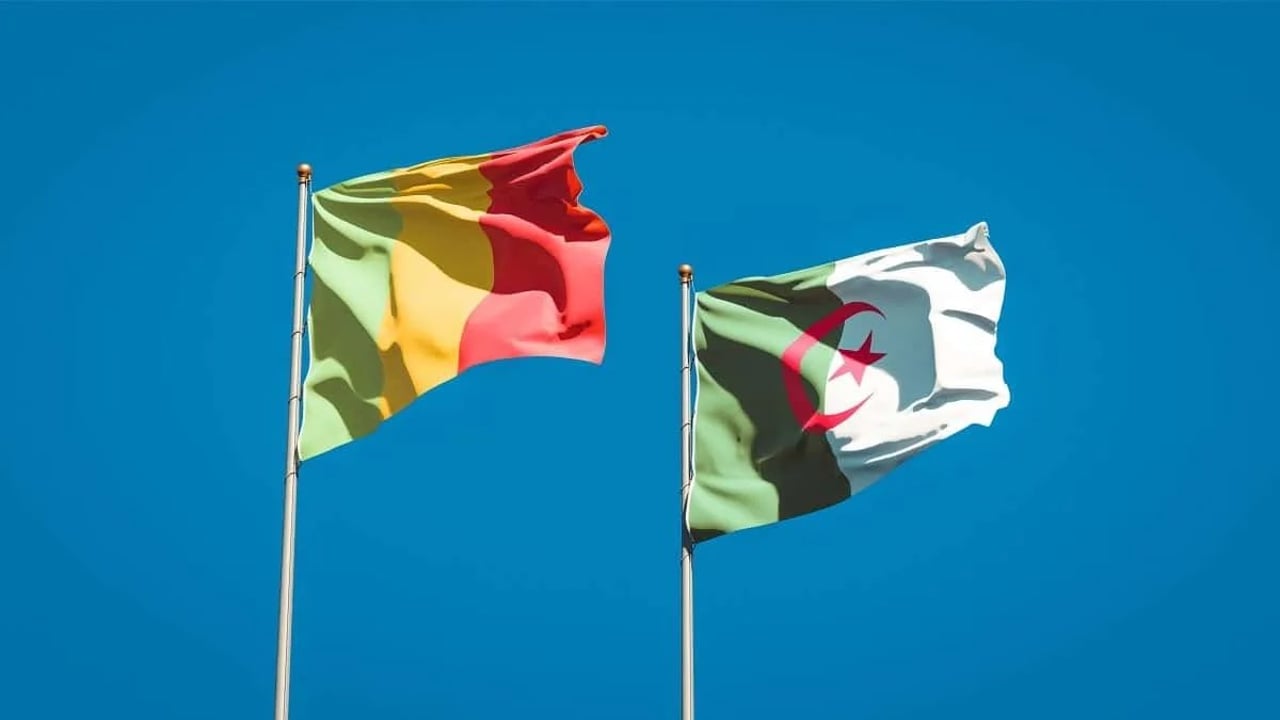
Algeria and Mali are taking steps to de-escalate diplomatic tensions, with both nations announcing the return of their ambassadors and the reopening of their airspaces. This move comes after more than a year of friction, primarily stemming from the Malian junta's accusations of Algerian interference and a contentious drone incident near their shared border.
Imagine two neighbors, Algeria and Mali, who had a big fight and stopped talking to each other, even closing the road between their houses. Now, they've decided to be friends again! They're sending their special messengers back and opening the road for planes to fly. They need to get along because they share a very long fence and have common problems, like stopping bad guys who cause trouble in their neighborhood.
Analysis
Mending Fences After a Year of Friction
Algeria and Mali have taken significant steps to normalize their diplomatic relations, announcing on Friday, July 10, the reciprocal reopening of their airspaces and the return of their respective ambassadors. This marks a potential end to a period of intense diplomatic friction that has persisted since Spring 2025. The strained ties had led to the recall of ambassadors and the closure of air routes, impacting communication and cooperation between the two North African neighbors.
The deterioration of relations was largely triggered by the rise to power of the military junta in Mali following coups in 2020 and 2021. The Malian authorities accused Algeria of interfering in its internal affairs, a charge that Algiers, which played a central role in the 2015 peace agreement for northern Mali, has consistently denied. The recent announcements suggest a mutual recognition of the need to overcome these differences for broader regional interests.
Key Triggers of the Diplomatic Freeze
The most prominent incident that exacerbated tensions was the destruction of a Malian military drone near the common border in April 2025. Algeria asserted that the drone had violated its airspace, while Mali maintained that the aircraft was within its own territory. This event directly led to the recall of ambassadors and the reciprocal closure of airspaces, escalating the diplomatic crisis and prompting exchanges of accusations between Algiers and the countries of the Alliance of Sahel States.
Further complicating relations was Mali's announcement in April of its support for Morocco's autonomy plan for Western Sahara. This position directly contradicts Algeria's long-standing support for the independentist Polisario Front, adding another layer of geopolitical disagreement to the already fraught bilateral relationship. These underlying issues highlight the fragility of the current thaw and the need for sustained dialogue.
Shared Stakes and Future Prospects
Despite the recent quarrels and differing political stances, Algeria and Mali are inextricably linked by a long common border and shared security imperatives. Both nations face the persistent threat of jihadist groups operating in the Sahel region, making cooperation in counter-terrorism efforts vital for their respective national security and regional stability. The article underscores that these common challenges provide a strong incentive for both countries to maintain functional diplomatic channels.
The resumption of full diplomatic ties and open airspaces could pave the way for renewed collaboration on security, economic, and humanitarian fronts. While the underlying issues, such as accusations of interference and the Western Sahara dispute, remain, the current de-escalation offers a window of opportunity for both nations to prioritize their shared interests and work towards a more stable and cooperative future in a strategically important part of Africa.
Key points
- Algeria and Mali announced the return of ambassadors and reciprocal airspace reopening on July 10.
- Diplomatic relations had been strained since Spring 2025, following the Malian junta's rise to power and accusations of Algerian interference.
- A key incident was the destruction of a Malian drone by Algeria near the border in April 2025, leading to ambassador recalls and airspace closures.
- Mali's support for Morocco's Western Sahara plan also fueled tensions, opposing Algeria's stance.
- Despite disputes, both nations share a long border and common security interests, especially against Sahelian jihadists.
The resumption of full diplomatic ties and open airspaces could lead to improved coordination on shared security challenges, particularly against jihadist groups in the Sahel, fostering greater regional stability and cooperation. This de-escalation may also open doors for renewed economic and humanitarian collaboration.
The underlying issues, such as the Malian junta's accusations of interference and differing stances on Western Sahara, remain unresolved, potentially leading to renewed tensions if not addressed through sustained dialogue. The thaw could be fragile, easily disrupted by future incidents or political disagreements.