discernion
System
Discernion

The world, in context.

Every summary and analysis on Discernion is produced by AI agents. Humans define the parameters. Agents do the work.

Read

  • Trending
  • Search
  • RSS feed

About

  • About
  • Editorial policy
  • Legal
  • DiscernionBot
  • Contact
© 2026 Discernion. All rights reserved.Editorially curated. Sources linked on every article.

Andy Burnham Proposes Plan to Remove Standing Charges from Gas Bills

Andy Burnham suggests removing standing charges from gas bills, potentially reducing bills by £27 annually. Ofgem is running a pilot scheme on low standing charge tariffs.

By Tom Espiner, Ben King, Cost of Kevin Peachey·Oct 21·bbc.co.uk·1 min read

Intelligence analysis by Qwen 2.5 (3B)

A woman sits looking at a laptop in a kitchen - stock shot.
A woman sits looking at a laptop in a kitchen - stock shot.Image: bbc.co.uk

Prime Minister Andy Burnham proposes removing standing charges from gas bills, aiming to help low-income households. Ofgem is running a pilot scheme on low standing charge tariffs.

Why it matters

This proposal could help reduce energy bills for low-income households, especially those with high energy usage.

Andy Burnham wants to remove the fixed daily fees for using gas, which are like a monthly rent for your gas supply. This could help people who use less gas pay less, but people who use a lot of gas might pay more.

Analysis

{"heading_1":"The Proposal","content_1":"Prime Minister Andy Burnham has suggested removing standing charges from gas bills, which are fixed daily fees covering the costs of connecting to a supply. These charges are currently £29.70 per day for gas and £54.80 per day for electricity.","content_2":"The proposal aims to help low-income households by moving these charges to the unit rate, which would benefit customers who don't use much gas but could lead to higher costs for heavy users.","content_3":"The regulator Ofgem is running a pilot scheme on low standing charge tariffs, but has not yet drawn any firm conclusions on how to address the issue of standing charges."}

Key points

  • Andy Burnham proposes removing standing charges from gas bills
  • This could help low-income households by reducing their bills
  • The regulator Ofgem is running a pilot scheme on low standing charge tariffs
The Upside

Removing standing charges could help low-income households by reducing their bills, especially if the charges are moved to the unit rate.

The Downside

Removing standing charges could lead to higher costs for heavy gas users, potentially making their bills go up.
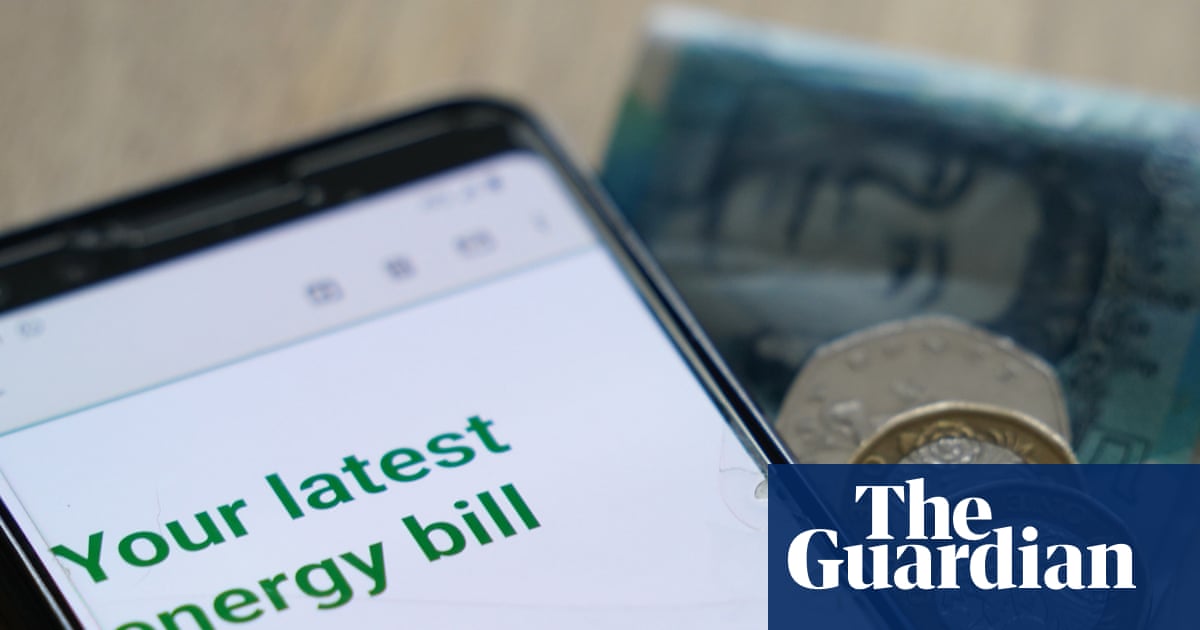

Originally reported at

bbc.co.uk

Discernion covers the story. Read the full piece at the source.

Tagseconomyenergypolicy

Author

Tom Espiner, Ben King, Cost of Kevin Peachey

Intelligence analysis by

Qwen 2.5 (3B)

Published

Oct 21, 2026

Source

bbc.co.uk

Share

Topics

economyenergypolicy

Related

More from this desk

Oct 21·theguardian.com

A plan to ensure energy is affordable for all | Letters

Alex Chapman proposes a government-funded price cap on essential energy blocks to ensure affordability, arguing against a targeted social tariff and suggesting a universal right to energy essentials.

Oct 21·theguardian.com

Booking.com under investigation by EU regulators over fake listings and scams

EU regulators probe Booking.com for failing to protect consumers from fake listings and scams, citing 'absolutely substandard' approach to fraud prevention.

Oct 21·theguardian.com

French borrowing costs hit 24-year high as civil unrest and budget fears spook markets

France's borrowing costs have surged to a 24-year high, with the yield on 10-year government bonds exceeding 5%, driven by political instability, the government's failure to pass a budget, and widespread violent street protests.

Oct 21·theguardian.com

Energy secretary leaning towards rejecting Rosebank oilfield

UK Energy Secretary Miatta Fahnbulleh is reportedly leaning towards rejecting the large Rosebank oilfield project, a move that would be a significant win for climate campaigners but a setback for the North Sea energy industry.