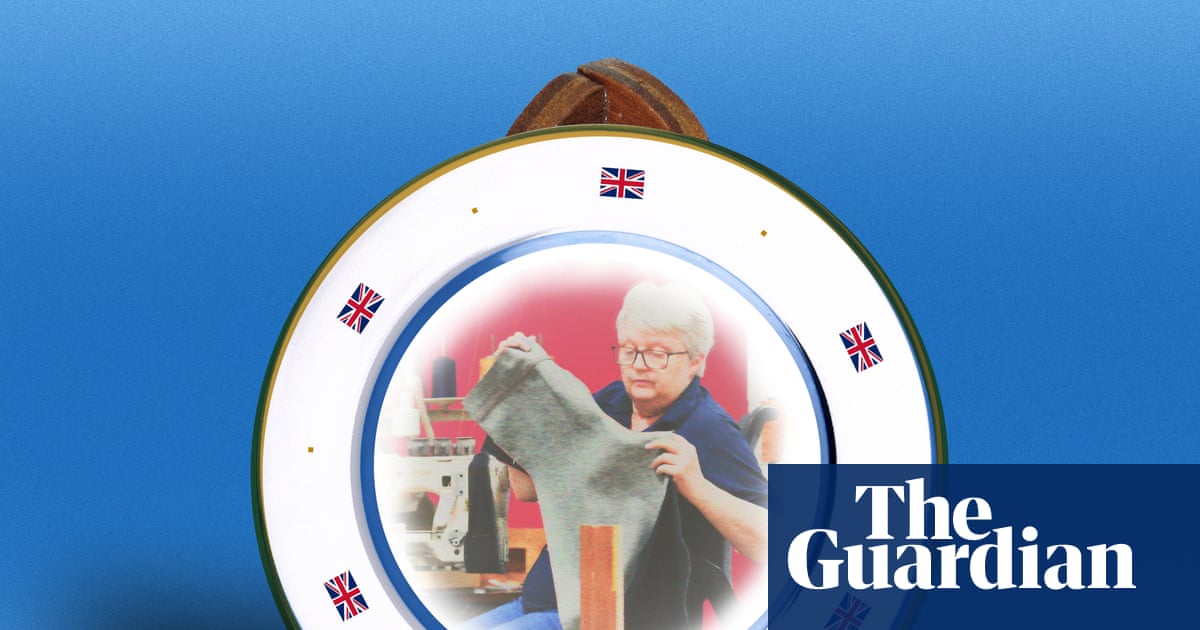
As more US business owners retire many are selling up to their staff
A growing number of US business owners are selling their companies to employees as they approach retirement, a trend that boosts staff morale and company productivity while preserving jobs.
Intelligence analysis by Gemini 2.5 Flash
With a "silver tsunami" of baby boomer business owners nearing retirement, a new trend is emerging where they opt to sell their companies to their employees rather than external buyers. This approach is gaining traction as it offers benefits like increased employee motivation and job preservation.
Imagine a sweet shop owner who wants to stop working. Instead of selling to a big company that might change everything, they sell their shop to the people who already work there! This makes the workers really excited and motivated, like when you own a piece of a game you helped build. It helps the shop stay open and keeps everyone happy, even if the old owner has to wait a bit to get all their money.
Analysis
The US is facing a significant demographic shift, often termed a "silver tsunami," as approximately six million baby boomer owners of small and medium-sized businesses are expected to retire by 2035. This impending wave of retirements is creating a "once-in-a-generation wave of ownership transitions," according to a report by business consulting firm McKinsey.
The Shift to Employee Ownership
Instead of selling to outside corporations or private equity firms, a growing number of these retiring owners are choosing to sell their businesses to their employees. A 2025 study indicates that up to 600 US firms are now being sold to their workers annually. This trend is supported by a 78% increase in available investment funds for financing such deals, rising to $865 million last year from $500 million in 2024.
Benefits of Employee Ownership
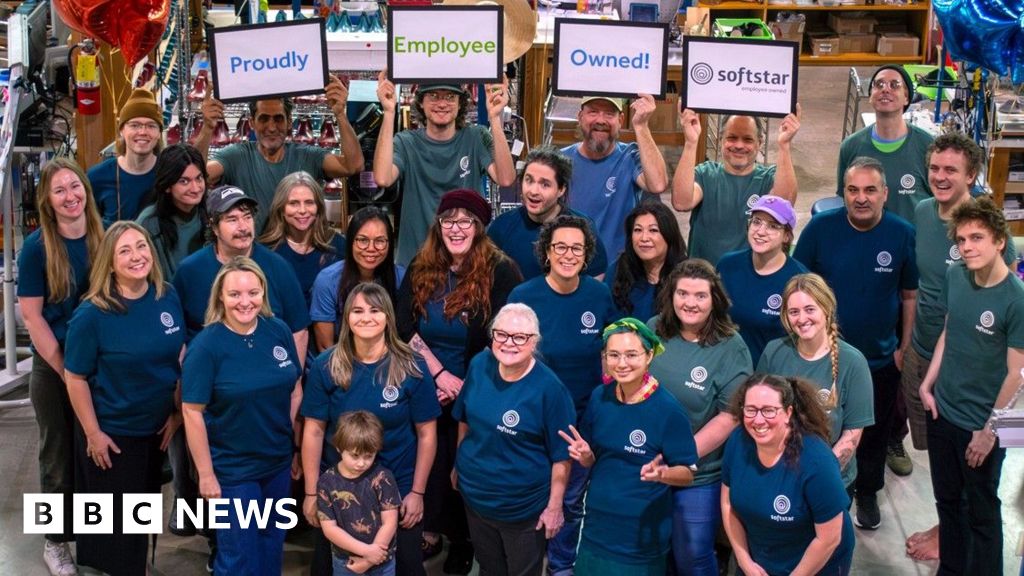
Research suggests several advantages to employee-owned companies. These businesses are often more productive, less likely to implement staff redundancies, and tend to offer higher wages. For owners like Tricia Salcido of Softstar Shoes, selling to employees was a way to preserve local jobs and ensure the continuity of artisan craftsmanship within the US, which she feared would be lost under a cost-cutting corporate buyer.
Mechanisms for Employee Ownership
Two primary schemes facilitate these transitions: Employee Ownership Trusts (EOTs) and Employee Stock Ownership Plans (ESOPs).
Under an EOT, a trust is established to take ownership of the business on behalf of the staff, eliminating the need for employees to use their personal funds for the purchase. The former owner then receives the sale price in installments, tied to a share of future profits. This model means the retiring owner, like Salcido, assumes a degree of risk, as payments are contingent on the business's ongoing success.
An ESOP, utilized by William Stockwell of Stockwell Elastomerics, also places the business under trust ownership. However, instead of sharing annual profits, employees receive company shares that can only be cashed in upon their departure. Similar to EOTs, retiring owners under ESOPs also accept deferred payments, often over several years, representing a "short-term financial sacrifice" for the long-term stability and preservation of the company.
Key points
- Millions of US baby boomer business owners are nearing retirement, creating a wave of ownership transitions.
- A growing number are selling to their employees rather than external buyers.
- Employee-owned companies show higher productivity, lower redundancy rates, and better wages.
- Schemes like Employee Ownership Trusts (EOTs) and Employee Stock Ownership Plans (ESOPs) facilitate these transitions.
- Retiring owners often accept deferred payments, tying their retirement income to the ongoing success of the business.
This shift towards employee ownership could secure the future of countless small and medium-sized businesses, preventing job losses and preserving local economies. Increased employee engagement and productivity in these firms could lead to more robust and resilient economic sectors.
The success of these employee ownership models often hinges on the business's continued profitability, placing financial risk on the retiring owner who accepts installment payments. If the business struggles, owners might not receive their full payment, creating potential financial instability for those transitioning into retirement.