Australia’s 178 billionaires are $25.7bn richer than last year as 3.7 million live in poverty
Oxfam says Australia’s billionaires gained $25.67bn in a year while poverty and food insecurity remain widespread.
Intelligence analysis by GPT-5.4 Mini
Oxfam says Australia’s billionaire wealth rose sharply in 2026, reaching more than $686bn, even as millions of Australians live in poverty. The group argues the gap shows Australia’s tax system is still favouring extreme wealth over basics like housing and healthcare.
A report says a small group of very rich Australians got a lot richer in one year, while millions of other people are still having a hard time paying for basics.
It is like one corner of a playground getting bigger and bigger while the rest of the playground stays crowded. The report says the gap is growing, not shrinking.
The group behind the report wants taxes and government rules to change so more money can go toward things like homes, hospitals, and help for families.
Analysis
What the report says
Oxfam Australia analysed the 2026 Australian Financial Review Rich List and found that the wealth of Australia’s billionaires rose by $25.67bn in the past year. That works out to almost $50,000 a minute, according to the organisation, and takes the total billionaire pool to more than $686bn.
Inequality backdrop
The article contrasts that surge with Acoss figures showing 3,706,000 people living in poverty, including 757,000 children under 15. It also says one in three households experienced food insecurity last year, meaning they worried about or struggled to afford food.
Who is on the list
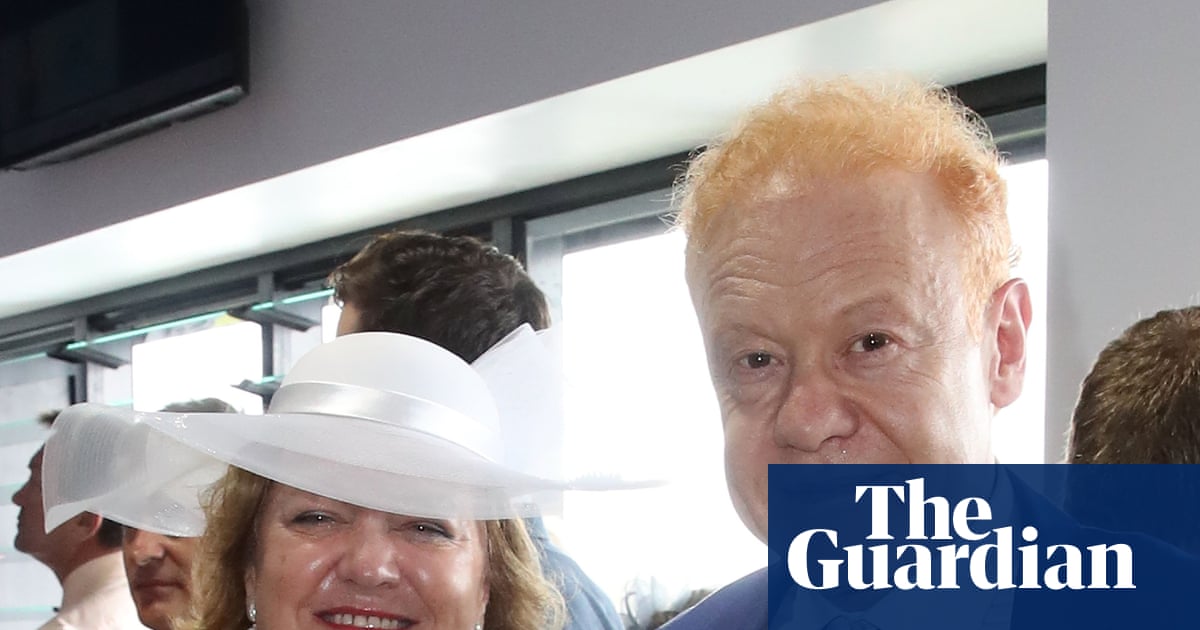
Australia now has 178 billionaires, up 17 from last year. The story says some of the new wealth is tied to artificial intelligence and datacentres, while many of the richest names still made their money through property development, mining and other technology-related businesses.
Policy argument
Oxfam chief executive Jennifer Tierney argues that the system is rewarding extreme wealth while many households struggle with living costs. She says the budget included some helpful measures and some tax reform, including changes to capital gains tax and negative gearing, but not enough to tackle the scale of inequality. The article presents the case that broader tax reform could help fund housing, healthcare, climate action, and support for people doing it tough.
Key points
- Australia’s billionaire wealth rose by $25.67bn in a year, reaching more than $686bn.
- Oxfam says the country now has 178 billionaires, the highest on record.
- Acoss figures cited in the article show 3.706 million people living in poverty, including 757,000 children.
- The report says one in three households faced food insecurity last year.
- Oxfam argues current tax settings still favour wealth accumulation over support for ordinary households.
If the budget measures and tax reforms mentioned in the article keep moving forward, they could begin to ease pressure on households. The article also suggests that fairer taxes on extreme wealth could create room for more spending on housing, healthcare, climate action, and community support.
If no broader reform follows, the article says the wealth gap could keep deepening as billionaire fortunes rise faster than wages and living standards. That could leave governments with less political room and less money to deal with poverty, food insecurity, and high household costs.