Brexit and Covid beset Royal Navy contractor as profits plunge
Babcock International's profits fell by 19% due to Brexit and Covid-related issues with a Royal Navy contract. The company reported a £140m charge on its contract to build five Type 31 frigates.
Intelligence analysis by Llama 3.3 70B
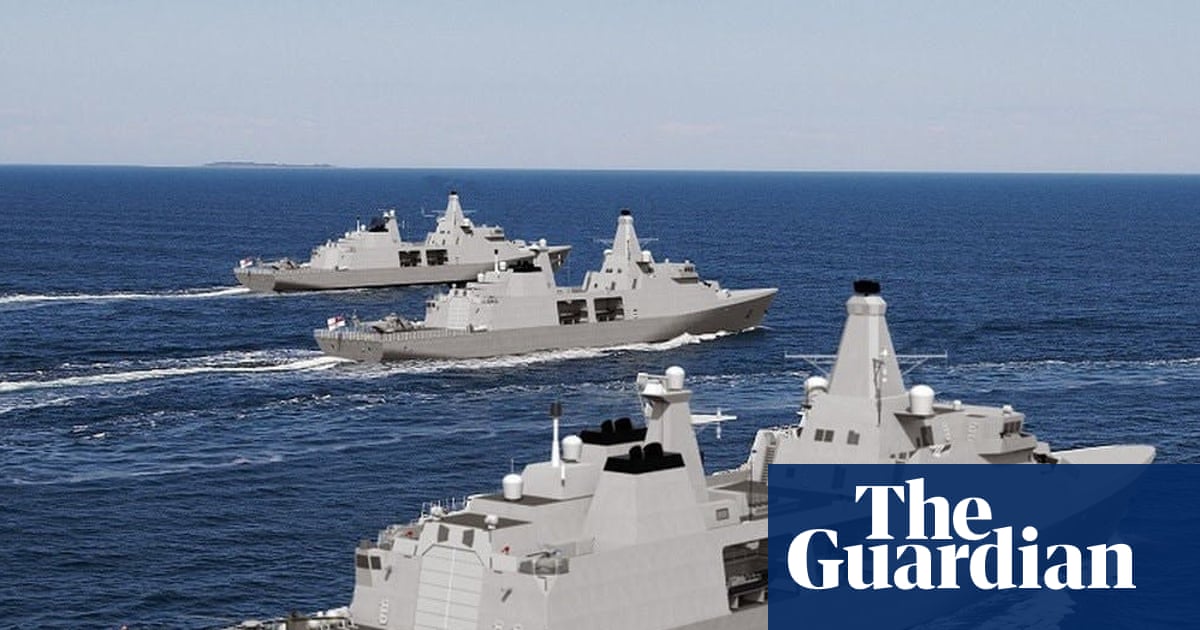
Babcock International's profits have taken a hit due to Brexit and Covid-related issues with a Royal Navy contract, resulting in a £140m charge and a 19% fall in underlying operating profits.
Babcock International is a company that builds ships for the Royal Navy. They're having some problems because of Brexit and Covid, which are making it harder for them to build the ships on time and on budget.
Analysis
Brexit and Covid: A Perfect Storm for Babcock International
Babcock International, one of the UK's biggest defence contractors, has reported a significant decline in profits due to the combined effects of Brexit and Covid. The company's contract to build five Type 31 frigates for the Royal Navy has been particularly affected, with a £140m charge and a 19% fall in underlying operating profits.
The Brexit-related issues have led to increased costs due to changes in raw material prices and UK labour shortages. The Covid pandemic has also had a significant impact, with the company having to make late-stage changes to the designs of the first two ships in the five-ship fleet.
The Impact on the Royal Navy's Modernization Plans
The news has significant implications for the Royal Navy's modernization plans, which rely heavily on the successful delivery of the Type 31 frigates. The delays and cost overruns will likely affect the Royal Navy's ability to upgrade its capabilities and respond to emerging threats.
The UK government's delayed publication of its defence investment plan has also added to the uncertainty surrounding the project. The defence secretary's resignation earlier this month has further complicated the situation, leaving the future of the project in doubt.
A Long-Term Perspective for Babcock International
Despite the current challenges, Babcock International remains optimistic about its long-term prospects. The company has reported strong growth in its nuclear and aviation sectors, and has secured important contract wins that will further strengthen its position in defence and nuclear markets.
The company's partnership with HII, the largest military shipbuilder in the US, is also expected to drive growth in the future. With £9.8bn in forward contracts, Babcock International is well-placed to benefit from the increasing demand for defence and nuclear capabilities around the globe.
Key points
- Babcock International's profits fell by 19% due to Brexit and Covid-related issues
- The company reported a £140m charge on its contract to build five Type 31 frigates
- The Royal Navy's modernization plans may be affected by the delays and cost overruns
Despite the current challenges, Babcock International's strong growth in its nuclear and aviation sectors and its secured contract wins position the company for long-term success. The increasing demand for defence and nuclear capabilities around the globe also presents opportunities for the company to benefit from this trend.
The Brexit and Covid-related issues may continue to affect Babcock International's profits and its ability to deliver the Type 31 frigates on time and on budget. The delayed publication of the UK government's defence investment plan and the defence secretary's resignation may also lead to further uncertainty and complications for the project.