BYD and Gentari Partner to Address Malaysia's EV Charging Gap
Chinese automaker BYD is collaborating with Gentari, Petronas' clean energy arm, to boost Malaysia's electric vehicle charging infrastructure. The partnership aims to accelerate the deployment of fast-charging stations to meet the country's growing EV adoption and ambitio…
Intelligence analysis by Gemini 2.5 Flash Lite
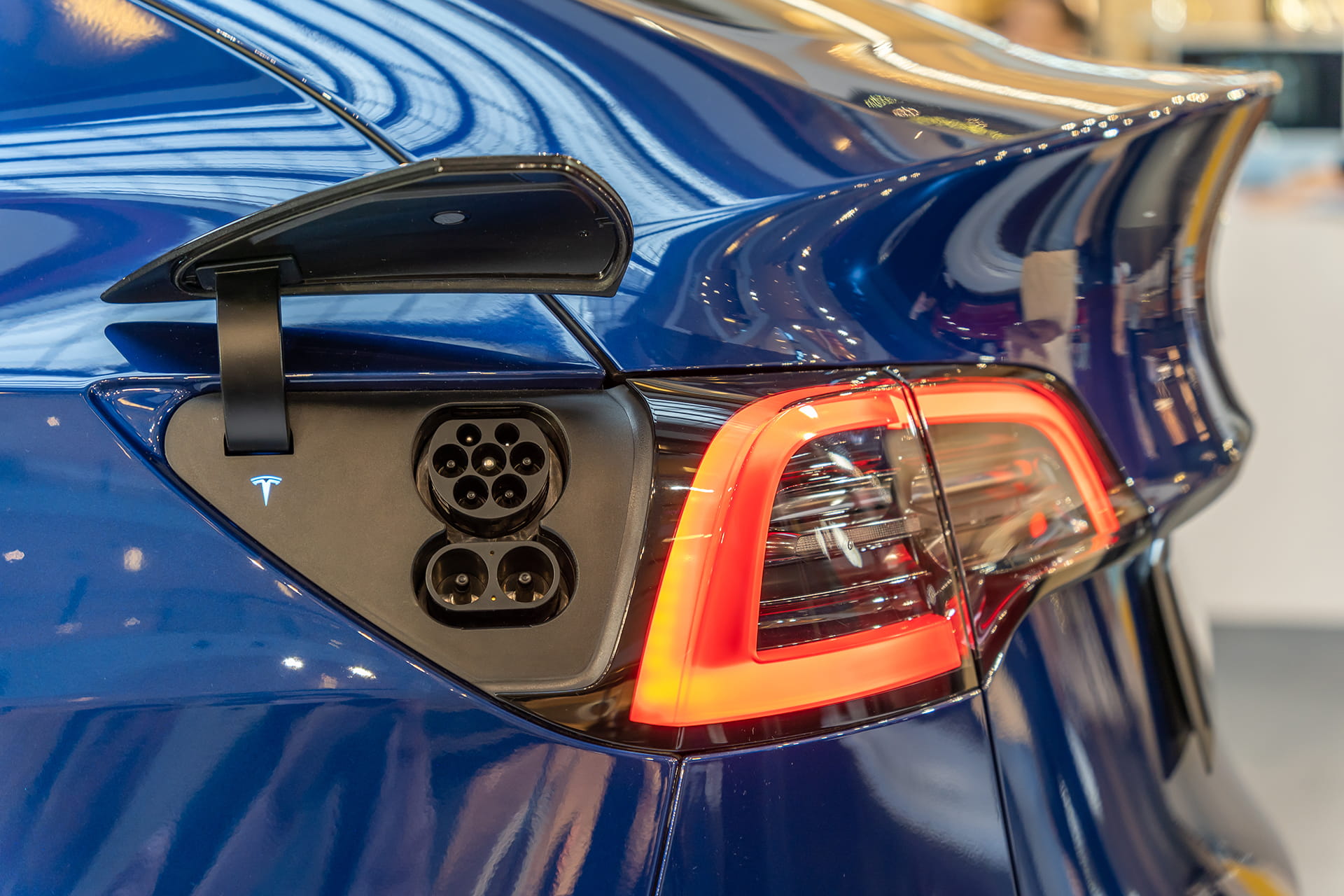
BYD and Gentari have signed an MOU to develop high-power EV charging infrastructure in Malaysia. This collaboration seeks to bridge the significant gap between the current number of public chargers and the nation's targets, addressing a key barrier to EV adoption as registrations surge.
Imagine Malaysia wants to have lots of electric cars, but there aren't enough "gas stations" for them. BYD, a car company, is teaming up with Gentari, a local energy company, to build super-fast charging stations. This is like building speedy chargers for phones so you don't have to wait long to use them, making electric cars more convenient for everyone.
Analysis
BYD's Flash Charging Technology
BYD is bringing its advanced Flash Charging system to Malaysia through its partnership with Gentari. This technology is designed to significantly reduce charging times, a major concern for potential EV buyers. Under optimal conditions, the system can add approximately 400 kilometers of range in just five minutes for compatible vehicles. For BYD's own models, including its luxury Denza line, charging from 10% to 70% takes a mere five minutes, and reaching 97% capacity is achievable in nine minutes. This speed rivals the time it takes to refuel a traditional gasoline-powered car, aiming to alleviate range anxiety and improve the overall EV ownership experience.
The system boasts impressive technical specifications, with a maximum charging rate of 1,500 kilowatts through a single connector. Each charger unit is equipped with two connectors, allowing it to charge two vehicles simultaneously at up to 1,000 kW each. Liu Xueliang, vice president of BYD and general manager of the auto sales division at BYD Asia Pacific, emphasized that BYD is actively exporting its charging technology beyond China to address global EV user concerns about charging duration.
Gentari's Role and Network
Gentari, the clean energy subsidiary of Malaysia's national oil company Petronas, brings significant local expertise and an existing network to the partnership. The company currently operates over 600 EV charging points in Malaysia and provides access to approximately 18,000 charging points across Malaysia, Singapore, Thailand, and India through its Gentari Go Roaming Hub. This extensive reach is crucial for establishing a comprehensive and accessible charging network.
Sushil Purohit, group CEO of Gentari, highlighted that the partnership leverages BYD's leadership in EV and battery technology with Gentari's experience in developing and operating charging networks. He stressed that beyond speed, the strategic placement of chargers, reliable power supply, and dependable operations are paramount for a successful EV ecosystem. The collaboration aims to strengthen Malaysia's charging infrastructure, thereby supporting wider EV adoption.
Challenges and Future Outlook
Despite the promising collaboration, significant challenges remain in Malaysia's EV charging infrastructure rollout. The country has fallen short of its previous charging targets, with only 6,416 chargers in place by May against a goal of 10,000 by 2025. The new target is 30,000 by 2030, indicating a substantial infrastructure gap. Factors contributing to the slow rollout include high installation costs, uneven distribution of chargers, and lengthy approval processes involving multiple authorities, utilities, and concessionaires. Approval times can range from one to three months, considerably longer than in neighboring Singapore.
An automotive analyst noted that simply increasing the number of chargers is insufficient. Factors such as service reliability, ease of use, pricing, and overall user experience are critical for a positive charging experience. The government's role in streamlining regulatory processes and ensuring coordinated efforts across various stakeholders is essential for accelerating the expansion and improving the quality of the charging network. BYD's local assembly through Inokom also signals a strategic move to deepen its presence in the Malaysian market.
Key points
- BYD and Gentari have signed an MOU to develop fast-charging EV infrastructure in Malaysia.
- The partnership aims to address Malaysia's significant EV charging gap, with a target of 30,000 chargers by 2030.
- BYD's Flash Charging system offers rapid charging capabilities, adding significant range in minutes.
- Gentari brings an existing network and operational experience to the collaboration.
- Challenges include high installation costs, slow approval processes, and the need for reliable service beyond just charger numbers.
This partnership could significantly accelerate the deployment of much-needed EV charging infrastructure in Malaysia, helping the country meet its ambitious targets. BYD's advanced fast-charging technology, combined with Gentari's established network and local expertise, could create a more robust and user-friendly charging ecosystem, boosting EV adoption and supporting Malaysia's green energy goals.
The success of this initiative hinges on overcoming Malaysia's existing bureaucratic hurdles, including lengthy approval processes and coordination issues among various authorities. If these systemic challenges are not addressed, the partnership may struggle to deploy chargers at the required pace, and the focus on quantity over quality could still leave drivers with a subpar charging experience.