Canada vows to match Trump’s tariffs ‘dollar for dollar’ after trade talks fail
Canada's Prime Minister Mark Carney has vowed to impose matching tariffs on US products after last-minute trade talks failed, escalating a significant dispute. This comes after the US imposed 50% import taxes on Canadian goods, with both sides blaming each other for the c…
Intelligence analysis by Gemini 2.5 Flash
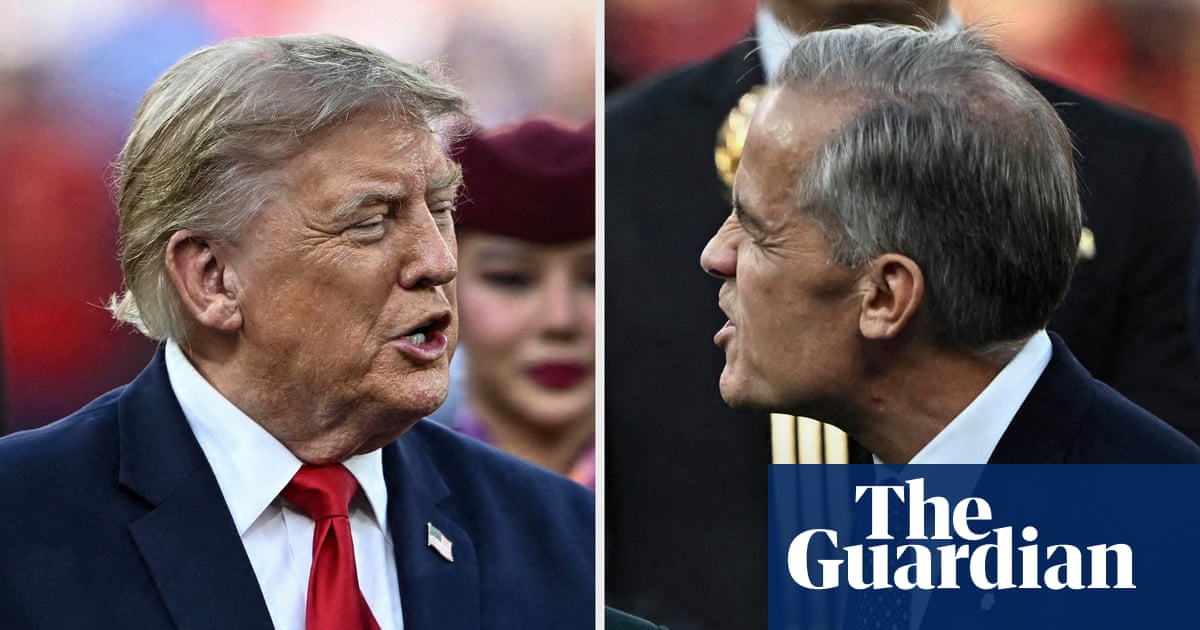
A major trade dispute has erupted between Canada and the United States after negotiations to avert US tariffs on Canadian goods collapsed. Canadian Prime Minister Mark Carney announced retaliatory "dollar for dollar" tariffs, accusing the US of unfair changes, while US officials blamed Canada for new demands. This breakdown threatens the future of North American trade and could impact…
Imagine two friends, Canada and the US, usually trade toys. But now, the US wants to charge extra money (tariffs) for Canada's toys, like hockey sticks. Canada's leader, Mark Carney, is saying, "Fine, we'll charge extra for your toys too!" This fight means toys might get more expensive, and some toy makers could lose money, making everyone a bit grumpy.
Analysis
Mark Carney
Canadian Prime Minister Mark Carney has taken a firm stance against the United States' imposition of 50% import tariffs, vowing to match them "dollar for dollar." This assertive position has reportedly bolstered his popularity within Canada, where public sentiment has been incensed by US policy and comments, including suggestions of annexing Canada as the 51st state. Carney's declaration underscores a significant shift in the relationship between the two historically close allies, with the Prime Minister stating that "America has changed" and a return to their old relationship is unlikely.
His government's commitment extends beyond mere retaliation, as Carney also promised additional support for Canadian workers and businesses in the coming days. This move is aimed at mitigating the economic fallout from the tariffs and protecting domestic industries. The Prime Minister emphasized that Canada's goal throughout the failed negotiations was to secure the best possible agreement, not merely a deal at any cost or by any deadline, highlighting a principled approach to trade diplomacy.
$880bn
The economic implications of this trade dispute are substantial, given that Canada and the United States exchanged $880bn worth of goods and services last year. This immense volume of trade signifies deep economic integration, with many Canadians and Americans working in the other country, making the breakdown particularly impactful. The imposition of tariffs on approximately 5% of Canada's annual shipments to the US, valued at around $20bn, represents a direct hit to a significant portion of this bilateral trade.
Trade experts have warned that these tariffs could subject already-vulnerable sectors to considerable economic strain. This strain could manifest in various ways, including potential job losses and the closure of businesses on both sides of the border. The Canadian Chamber of Commerce head, Candace Laing, explicitly called the tariffs "a body blow to North American competitiveness," predicting increased costs for American consumers and threats to Canadian investment and small businesses.
50% Tariffs
The core of the dispute revolves around the US decision to impose 50% import taxes on Canadian products, a measure that Canada has pledged to reciprocate. These tariffs, which were initially delayed for three days to allow for last-minute talks, target a wide range of Canadian goods, from industrial materials like steel and aluminium to consumer products such as hockey sticks and tongue depressors. The failure to reach an agreement means these significant duties will now take effect, directly impacting the cost of goods and the profitability of businesses engaged in cross-border trade.
The collapse of negotiations saw both sides blaming each other. Canadian officials, led by Prime Minister Carney, accused the US of introducing "unfair, uneconomic" last-minute changes that questioned the reliability of any potential deal. Conversely, US Trade Representative Jamieson Greer asserted that Canada sought additional concessions and walked back commitments, thereby upending the careful balance previously achieved. This mutual recrimination highlights the deep divisions that led to the failure of talks and the subsequent escalation of trade hostilities.
Key points
- Canada will match US 50% tariffs "dollar for dollar" after trade talks failed.
- Both sides blamed each other for the collapse of negotiations, which aimed to lower tariffs on steel, aluminium, and cars.
- The US tariffs will affect approximately $20bn worth of Canadian products, including items like hockey sticks.
- The trade dispute is the biggest rupture in recent US-Canada relations and threatens the North American trade pact.
- Canadian officials, including Prime Minister Mark Carney and Ontario Premier Doug Ford, expressed strong support for the retaliatory measures.
The escalation of tariffs could lead to significant economic strain, job losses, and business closures in already vulnerable sectors in both countries. Furthermore, the breakdown jeopardizes the future of the crucial North American trade pact, potentially causing long-term instability in regional trade relations.