Ceuta Crisis: Can Spain Really Use the Energy Card Against Morocco?
Following the Ceuta migratory crisis, tensions between Spain and Morocco have prompted Madrid to consider using its significant energy supply to the kingdom as a diplomatic leverage.
Intelligence analysis by Gemini 2.5 Flash
Spain, a major supplier of gas, oil, and electricity to Morocco, is reportedly exploring how this energy dependency could serve as a pressure point against Rabat. This comes in the wake of strained relations following a recent migratory crisis in the Spanish enclave of Ceuta, highlighting the complex dynamics between the two nations.
Imagine two friends, Spain and Morocco, usually get along, but then they have a big disagreement about people crossing a border. Now, Spain helps Morocco by giving it a lot of the energy it needs, like gas and electricity. The article is asking if Spain might use this help as a way to make Morocco agree with its side, like saying, 'If you don't help us with the border, we might not send as much energy.' It's a tricky situation because both countries need each other.
Analysis
Ceuta Crisis
The recent migratory crisis in Ceuta significantly strained diplomatic relations between Spain and Morocco. This incident, which saw a large influx of migrants into the Spanish enclave, prompted a strong reaction from Madrid and highlighted underlying tensions between the two nations. While the immediate crisis appears to be subsiding, the Spanish government is reportedly exploring various pressure points it could exert on Morocco.
The crisis underscored the complex and often delicate balance of power and cooperation between Spain and its North African neighbor. It brought to the forefront issues of border control, migration policy, and the broader geopolitical dynamics of the Western Mediterranean. The public rhetoric from Spain, while acknowledging Morocco as a "reliable" partner, suggests a deeper strategic reassessment is underway.
Enagas and Huelva
A key element in Spain's potential leverage against Morocco lies in its role as a significant energy provider. Spain supplies Morocco with essential resources, including natural gas, oil, and electricity. This energy dependency creates a strategic vulnerability for Morocco, which relies on these imports to meet its domestic needs.
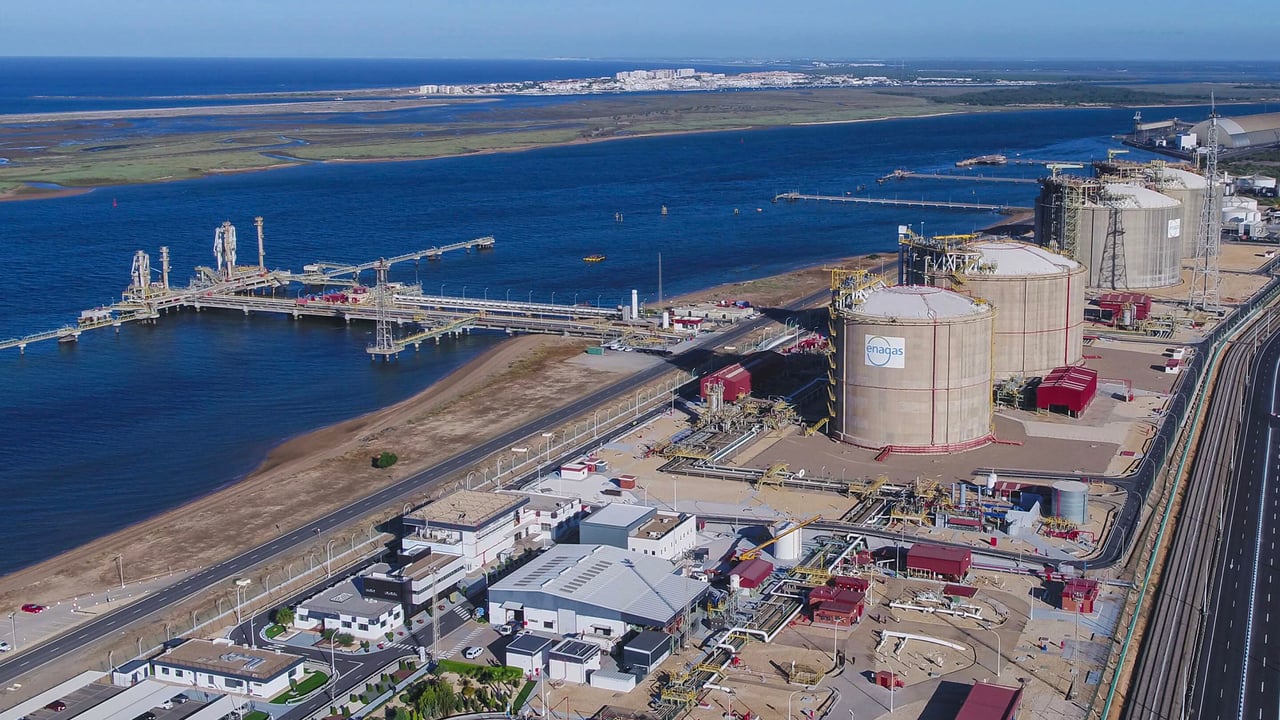
The article specifically mentions the liquefied natural gas (LNG) regasification plant in Huelva, Andalusia, operated by the Spanish company Enagas. A portion of the production from this facility is explicitly designated for Morocco, illustrating a direct and tangible link in the energy supply chain. This infrastructure highlights the practical means through which Spain could potentially influence Morocco's energy security.
Diplomatic Standoff
The prospect of Spain utilizing its energy supply as a diplomatic "card" introduces a new dimension to the bilateral relationship. While public statements emphasize cooperation, the private consideration of such levers indicates a hardening stance from Madrid. This potential move could have far-reaching implications for the economic and political stability of both countries.
Should Spain decide to activate this energy leverage, it would undoubtedly escalate the current diplomatic standoff, potentially undermining years of established cooperation. Such a measure could force Morocco to seek alternative energy sources or face significant economic disruption, thereby intensifying the pressure on Rabat to address Spain's concerns regarding migration and other bilateral issues. The long-term consequences for regional stability and trust between the two nations would be substantial.
Key points
- The Ceuta migratory crisis has significantly increased tensions between Spain and Morocco.
- Spain is a primary supplier of natural gas, oil, and electricity to Morocco.
- The Spanish government is reportedly considering using this energy supply as a lever against Morocco.
- The Enagas LNG plant in Huelva, Andalusia, supplies a portion of its production directly to Morocco.
If both Spain and Morocco prioritize long-term cooperation, they could de-escalate tensions through diplomatic channels, finding mutually beneficial solutions to migration and border issues without resorting to energy leverage. This would preserve their established economic ties and regional stability.
Should Spain decide to use its energy supply as a political tool, it could severely strain bilateral relations, forcing Morocco to seek costly alternative energy sources and potentially leading to a prolonged diplomatic and economic standoff with wider regional implications.