Civil rights groups oppose meeting between Macky Sall and President Diomaye
Civil rights groups in Senegal are opposing a meeting between former President Macky Sall and current President Diomaye, citing Sall's alleged repression and economic mismanagement during his tenure.
Intelligence analysis by Gemini 2.5 Flash
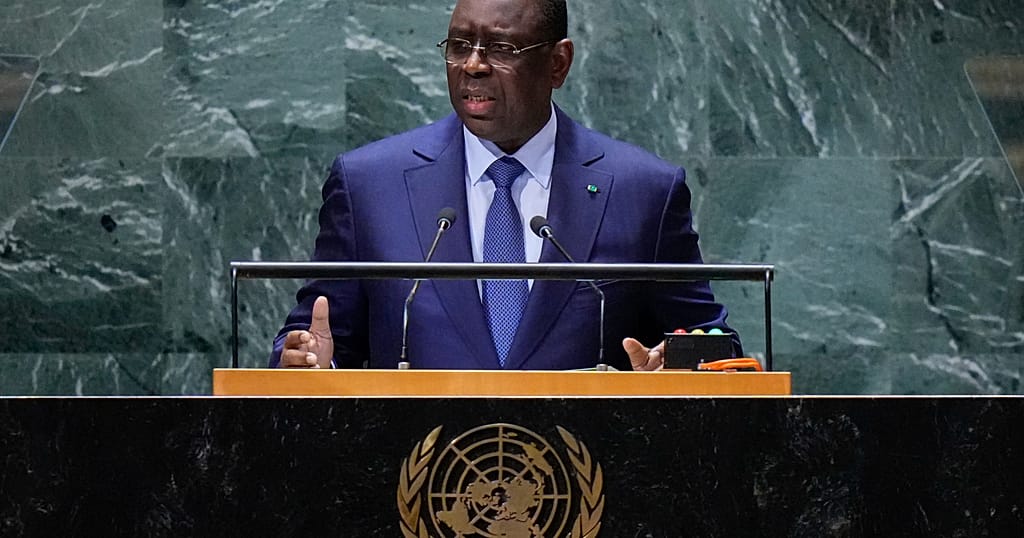
Former Senegalese President Macky Sall's return to Dakar for a meeting with the current Head of State, amid his campaign for a top UN job, has sparked strong condemnation from civil rights groups and members of the parliamentary majority who accuse him of severe repression and concealing economic data.
Imagine a school principal who made some kids really sad and hid some bad report cards. Now, that principal wants a big job at a worldwide club, and they're coming back to visit the new principal. The kids who were sad are upset because they feel like the old principal never said sorry for what happened, and they don't want them to get a new important job without facing up to the past.
Analysis
Sall's Return and UN Ambitions Spark Outcry
Former Senegalese President Macky Sall's recent return to Dakar, ostensibly to meet with current President Diomaye as part of his campaign for a high-ranking United Nations position, has ignited a firestorm of opposition. Civil rights groups and even members of the parliamentary majority have voiced strong condemnation, viewing his visit as a painful reminder of the alleged abuses under his administration. This opposition underscores the deep-seated desire for accountability among a significant portion of the Senegalese populace, particularly those who suffered during the period of unrest.
Sall's bid for a UN role, reportedly nominated by Burundi, adds another layer of complexity to his controversial return. Critics argue that his past actions, including accusations of severe repression and economic cover-ups, make him an unsuitable candidate for an international leadership position. The timing of his visit, coinciding with his international aspirations, brings into sharp focus the tension between national accountability and global political ambitions, forcing a reckoning with his legacy on both domestic and international stages.
Accusations of Repression and Economic Mismanagement
The core of the opposition against Macky Sall stems from serious accusations leveled by the current Senegalese government and civil society. Between 2021 and 2024, Sall's administration is accused of severely cracking down on opposition protests, leading to dozens of deaths across the country. Guy Marius Sagna, a member of the parliamentary majority, starkly described Sall's visit as a "third assassination, a third act of torture, a third imprisonment for all the victims" of that period, highlighting the profound emotional and political wounds that remain unhealed.
Beyond political repression, Sall's former administration also faces allegations of economic impropriety. The current government claims that Sall's team concealed the true extent of Senegal's fiscal problems, painting a misleading picture of the nation's economic health. These accusations of both human rights abuses and economic opacity contribute to a narrative of betrayal and mismanagement, fueling the public's demand for justice and transparency from the new leadership.
Implications for President Diomaye's Administration
The meeting between President Diomaye and Macky Sall, despite the strong public backlash, places the new administration in a delicate position. While the exact nature and purpose of the meeting are not fully detailed in the article, it inevitably forces President Diomaye to navigate the expectations of a populace demanding accountability for past wrongs, while also managing the complexities of political transitions and international relations. The opposition's vocal stance serves as a clear signal that the new government's commitment to justice will be closely scrutinized.
For President Diomaye, addressing these grievances effectively will be crucial for solidifying public trust and demonstrating a clear break from the practices of the previous regime. Failing to adequately acknowledge or address the concerns raised by civil rights groups could risk alienating his base and undermining the legitimacy of his nascent government. The ongoing scrutiny of Sall's legacy will therefore continue to shape the political discourse and policy priorities of Senegal's current leadership, emphasizing the importance of transparency and justice in the nation's democratic evolution.
Key points
- Civil rights groups and parliamentary members oppose former President Macky Sall's return to Dakar for a meeting with President Diomaye.
- Sall is accused of severe repression of opposition protests between 2021-2024, resulting in dozens of deaths.
- The current government also accuses Sall's administration of concealing the true extent of Senegal's fiscal problems.
- Sall's visit is linked to his campaign for a top United Nations job, for which he was nominated by Burundi.
- Critics view Sall's return as a painful reminder of past abuses and a challenge to the new administration's commitment to justice.
The strong public opposition could pressure the current government to prioritize accountability for past human rights abuses and economic issues, potentially leading to greater transparency and justice for victims. This could strengthen Senegal's democratic institutions and foster greater public trust in the new administration.
The meeting, despite public outcry, could be perceived as a lack of commitment to accountability by the new government, potentially fueling further political unrest and disillusionment among civil rights groups. It might also distract from the current administration's agenda, creating internal divisions.