Critical minerals: DRC relies on mapping to attract investors
The Democratic Republic of Congo (DRC) has initiated a large-scale airborne mapping program to survey its vast mineral resources, aiming to attract foreign investment into its largely unexplored subsoil. This initiative is crucial for the DRC, the world's top cobalt produ…
Intelligence analysis by Gemini 2.5 Flash
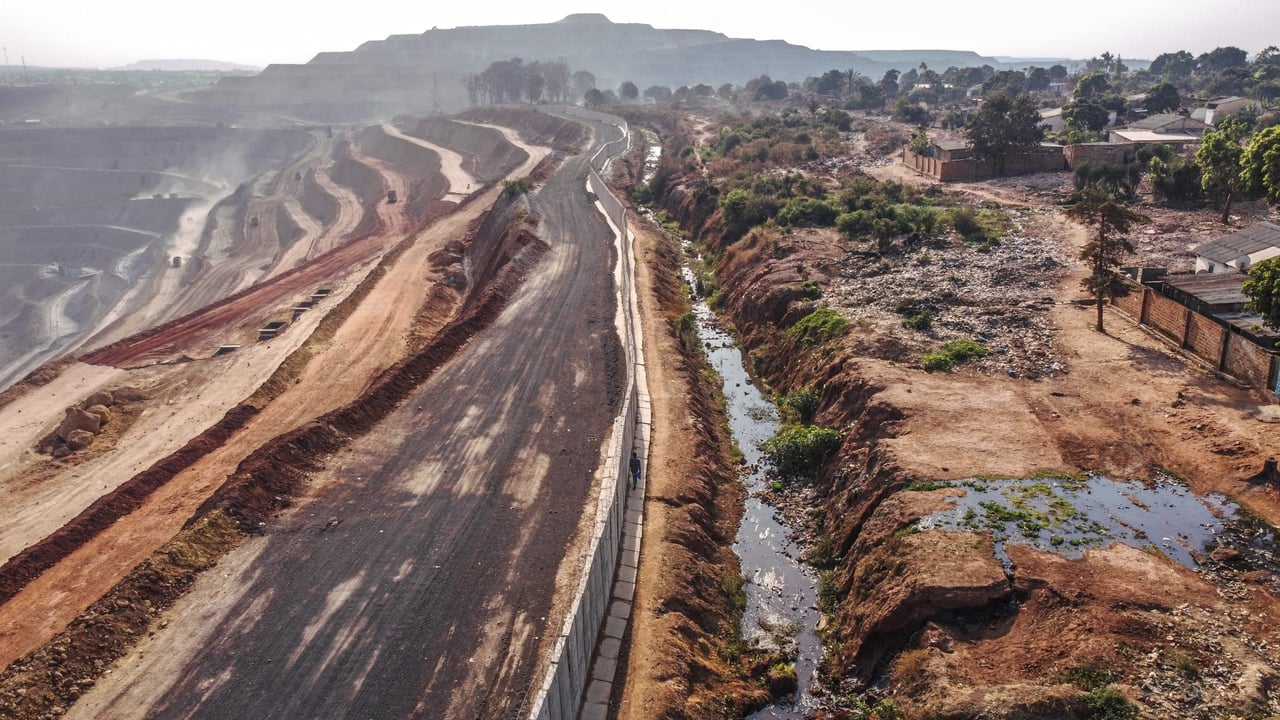
Amidst the global energy transition and geopolitical competition between China and the United States, the DRC is undertaking a comprehensive three-year geological mapping project. This effort seeks to identify new mining potential and provide a clearer picture of its critical mineral reserves, which are currently dominated by Chinese investment, in order to attract more diverse foreig…
Imagine the DRC has a giant treasure chest underground filled with special rocks needed for electric cars and phones. Right now, they don't know exactly where all the treasure is or how much there is. So, they're sending special planes with sensors to draw a map of the treasure chest. This map will help them show other countries where to dig and invest, so everyone can share the treasure fairly and the DRC can get more money for its people.
Analysis
The Democratic Republic of Congo (DRC) is embarking on a significant three-year airborne mapping initiative, a strategic move to gain a comprehensive understanding of its vast critical mineral reserves. This ambitious project, funded by the Congolese state, is designed to provide high-resolution geophysical data across nine key provinces, including the historically mineral-rich former Katanga region. The ultimate goal is to enhance geological knowledge, identify new potential mining zones, and, crucially, attract a broader spectrum of foreign investors beyond its current dominant partners. This effort comes at a pivotal time, as the global energy transition intensifies the demand for minerals like cobalt and copper, placing the DRC at the heart of international economic and geopolitical interests.
Xcalibur
The technical backbone of the DRC's critical mineral mapping project is provided by the Spanish company Xcalibur. This collaboration underscores the sophisticated nature of the undertaking, which relies on advanced airborne geophysical surveys. By deploying seven specialized aircraft, the project aims to collect high-resolution data that will offer an unprecedented view of the country's subsoil. This detailed geological information is considered a prerequisite for the DRC to "better defend the interests of the country" by accurately assessing its resources and presenting a clear investment case to potential partners.
The involvement of a specialized international firm like Xcalibur highlights the DRC's commitment to leveraging cutting-edge technology in its resource management strategy. The precision of these surveys is expected to reduce exploration risks for investors, making the DRC a more attractive destination for capital. This technical partnership is a critical component in the DRC's broader strategy to move beyond simply being a raw material exporter and to foster local processing capabilities.
Katanga
The mapping program specifically targets nine provinces, with a particular focus on those historically grouped under the name Katanga in the southeast. This region is renowned globally for its immense deposits of critical minerals, including cobalt and copper, making it a focal point for international mining interests. The comprehensive survey of these areas is intended to provide a definitive inventory of resources, which is essential for strategic planning and negotiations with foreign entities.
By systematically mapping these highly coveted mineral zones, the DRC aims to assert greater control over its natural wealth. This detailed knowledge will enable Kinshasa to negotiate more favorable terms with investors, ensuring that the country benefits more substantially from the extraction and potential local transformation of its resources. The focus on Katanga underscores the region's continued importance in the global supply chain for critical minerals, and the DRC's determination to maximize its economic leverage.
KoBold Metals
Despite the DRC's strategic partnership agreement with the United States in December 2025, aimed at securing critical mineral supplies for American industries, the influx of U.S. investment has been limited. Currently, only two American companies, KoBold Metals and Virtus Minerals, hold mining assets in the DRC. This slow uptake is attributed to the Congolese mining sector's persistent challenges, including a high exposure to corruption and a history of financial and environmental scandals.
The article notes that discussions are ongoing to establish conditions more conducive to attracting American investments. The mapping project itself is a direct response to this challenge, as it seeks to provide transparency and reduce perceived risks for new investors by offering clear, verifiable data on mineral potential. Overcoming the entrenched issues of governance and corruption will be crucial for the DRC to fully realize the potential of its U.S. partnership and diversify its investment landscape beyond the significant presence of Chinese firms, which currently control 70-80% of the cobalt and copper sectors.
Key points
- The DRC launched a three-year airborne mapping program for critical minerals to better understand its subsoil wealth.
- The project aims to attract diverse foreign investment, particularly from the U.S., and strengthen the country's position in global supply chains.
- The DRC is the world's leading cobalt producer and second-largest copper producer, with China currently dominating 70-80% of these sectors.
- A strategic partnership with the U.S. in December 2025 seeks to secure critical mineral supplies, but U.S. company presence in the DRC remains limited.
- The initiative targets nine provinces, including the mineral-rich former Katanga region, to identify new mining potential.
Should the mapping project successfully identify significant new deposits and improve geological knowledge, it could lead to a substantial increase in foreign direct investment beyond current Chinese dominance. This diversification of partners, particularly from the United States, could enhance the DRC's negotiating power, foster local processing industries, and create more jobs, ultimately strengthening the national economy and improving governance in the mining sector.
Despite the mapping efforts, persistent issues like corruption, political instability in the eastern regions, and a challenging business environment could deter potential investors, especially American firms, from committing significant capital. If the strategic partnership with the U.S. fails to translate into tangible investments, the DRC might remain heavily reliant on existing partners, limiting its ability to fully capitalize on its mineral wealth and diversify its economic partnerships.

