Cyber-attack on French supermarket freezers has geopolitical context
A cyber-attack on French supermarket freezers, attributed to Iran's Islamic Revolutionary Guard Corps, caused widespread food spoilage and fires, prompting France to promise Europe-wide sanctions.
Intelligence analysis by Gemini 2.5 Flash
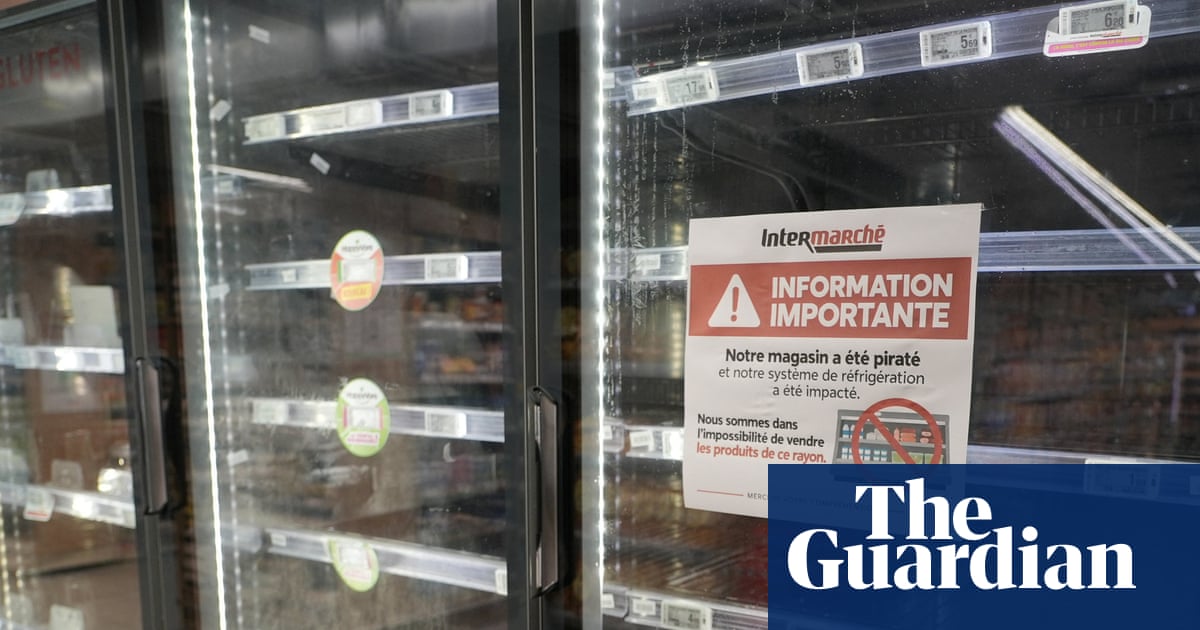
The incident, which saw refrigerators' temperatures manipulated to destroy food, is seen as a geopolitical act by Iran to project power and signal displeasure. Cybersecurity experts note the attack's unsophisticated nature, using default passwords, and link it to similar incidents across Europe and at US military bases.
Imagine someone secretly changing the settings on all the big freezers in a grocery store, making them melt all the ice cream and spoil the meat. That's what happened in France, and grown-ups think a country called Iran did it to show they're upset with other countries. It caused a big mess and made people worried about how easy it is to mess with important things using computers.
Analysis
The recent cyber-attack targeting French supermarket freezers, attributed to hackers operating under Iran's Islamic Revolutionary Guard Corps, marks a significant escalation in state-sponsored cyber warfare. This incident, which caused widespread food spoilage and led to some refrigerators catching fire, highlights the vulnerability of critical civilian infrastructure to relatively unsophisticated digital assaults. The French foreign minister's strong condemnation and promise of "Europe-wide sanctions" underscore the gravity with which European nations are viewing this act, moving beyond mere criminal activity to a matter of international aggression. The attack's timing and nature suggest a deliberate projection of power and a signal of political displeasure, aligning with Iran's historical use of cyber operations.
Islamic Revolutionary Guard Corps
The direct attribution of the French supermarket freezer hack to the Islamic Revolutionary Guard Corps (IRGC) by France represents a critical development in understanding the evolving landscape of cyber threats. This is the first official implication of the Iranian state in this specific type of infrastructure attack, though similar incidents affecting an Israeli food plant and US military bases are now suspected to be linked. The IRGC, a powerful branch of Iran's military, has a documented history of engaging in cyber operations, often with clear geopolitical messaging.
Unlike previous Iranian-backed hacks that displayed explicit political slogans, this incident lacked an overt message, yet its disruptive impact made global headlines. The destruction of food supplies and the resulting economic losses for supermarkets like Intermarche serve as a potent, if silent, form of protest or retaliation. This shift from explicit messaging to tangible, disruptive damage suggests a refinement in tactics, aiming for broader societal impact and economic pressure rather than direct propaganda.
Rafe Pilling
Rafe Pilling, a senior director at cybersecurity firm Sophos, provides crucial context for understanding the nature and intent behind these attacks. Pilling noted that the attacks were "not particularly complex," involving the exploitation of default passwords to access fridge controls, a method consistent with known Iranian capabilities. This assessment challenges the notion that state-sponsored cyber warfare always involves highly advanced, zero-day exploits, demonstrating that even basic vulnerabilities can be leveraged for significant disruption.
Pilling's analysis frames Iran's cyber activities as a means to "project power internationally and to signal their political displeasure with regional and international adversaries." This perspective helps explain the seemingly disparate targets, from TV streaming services and water control equipment to supermarket freezers. The goal appears to be demonstrating capability and imposing costs on adversaries, rather than achieving specific military or intelligence objectives through complex espionage.
Europe
The cyber-attack on French supermarkets, and the suspected linked incidents across Europe, highlight a growing vulnerability for the continent's critical infrastructure and supply chains. The French foreign minister's immediate call for "Europe-wide sanctions" against those responsible signals a unified and robust response from European nations, indicating that such attacks will be treated as acts of aggression requiring a collective defense. This incident could accelerate discussions and investments in cybersecurity measures across the European Union, particularly for sectors like food production and retail that are vital for public welfare.
The broader context of hostile cyber operations from nations like China, Russia, Iran, and North Korea, each with distinct aims, underscores the complex threat landscape Europe faces. While AI is identified as a future concern for cyber threats, the freezer attacks demonstrate that current geopolitical tensions, rather than groundbreaking technology, are the immediate drivers of disruptive incidents. The incident serves as a stark reminder that economic stability and daily life can be significantly impacted by cyber warfare, necessitating enhanced vigilance and international cooperation to protect essential services.
Key points
- French supermarket freezers were targeted in a cyber-attack, causing food spoilage and fires.
- France has attributed the attack to hackers operating under Iran's Islamic Revolutionary Guard Corps.
- The attack is presumed to be linked to similar 'rogue defrosting hacks' across Europe and at US military bases.
- Cybersecurity experts describe the attack as 'not particularly complex,' exploiting default passwords.
- France's foreign minister promised 'Europe-wide sanctions' in response to the 'unprecedented aggression'.
The widespread disruption caused by this attack could serve as a critical wake-up call for governments and businesses across Europe, prompting increased investment in cybersecurity infrastructure and more robust defense strategies for critical sectors. This heightened awareness and proactive measures could ultimately strengthen resilience against future, potentially more sophisticated, cyber threats.
The attribution of this attack to a state-backed entity and the promise of Europe-wide sanctions could escalate geopolitical tensions, potentially leading to further retaliatory cyber-attacks or broader economic disruptions. The ease with which critical infrastructure was compromised also suggests a significant vulnerability that could be exploited again, causing more widespread economic damage and public alarm.